
Buying a new or used car should bring peace of mind, but many California drivers later discover ongoing defects that hurt safety, performance, and value. Although California lemon laws offer strong consumer protection, the legal process involves several hidden steps that many people overlook. Missing important details or delays in documentation can weaken a lemon law claim and slow down compensation.
1. Confirming the Vehicle Truly Qualifies as a Lemon
Numerous buyers believe that a car is automatically considered a lemon if it needs frequent repairs. Nonetheless, legal qualifications are determined by specific criteria.
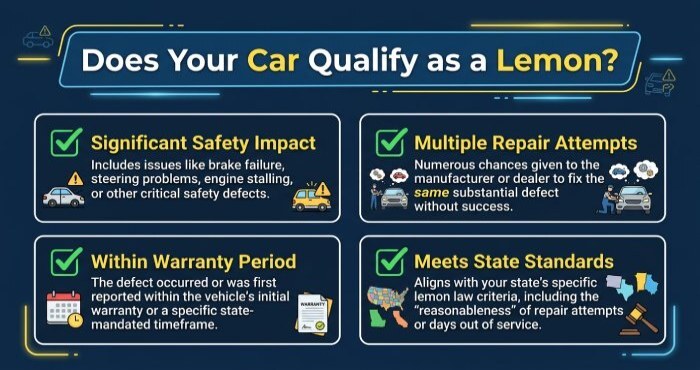
A knowledgeable lemon law attorney will first assess:
- Whether the defect significantly impacts safety, value, or usability
- If the manufacturer has made a sufficient number of repair attempts
- Whether the repairs were conducted within the warranty period
- If the vehicle adheres to state eligibility standards
Some drivers delay seeking legal advice, ultimately realizing that their records do not substantiate a legitimate claim.
2. Reviewing Every Repair Invoice Carefully
A frequently neglected aspect of the process is the meticulous examination of repair documentation. Even slight variations in the language used on invoices can impact a claim’s validity. For instance, when a dealership states “could not replicate the problem” instead of detailing the actual symptoms, manufacturers might claim the defect was never present.
Veteran lemon law attorneys are skilled at identifying discrepancies like:
- Absent mileage logs
- Wrong repair dates
- Vague descriptions
- Repeated repair entries
- Unfiled safety issues
These nuances can significantly sway the outcome of settlement discussions.
3. Identifying Hidden Warranty Coverage
Numerous drivers erroneously think their warranties have lapsed. Nevertheless, a lemon law attorney might uncover extra protections by examining:
- Certified pre-owned warranties
- Powertrain warranties
- Manufacturer extensions
- Emissions warranties
- Federal warranty laws
This overlooked aspect can often reinstate cases that consumers believed were ineligible.
4. Documenting Vehicle Downtime
Many drivers are surprisingly unaware of how long their vehicles are out of commission. In California, cases involving lemon laws can be greatly bolstered by the total number of days a vehicle has been unusable. Lawyers typically assess:
- The total number of days for repairs
- Continuous periods without a functioning vehicle
- Dependence on rental cars
- Time lost from work
- Costs for transportation
If drivers don’t maintain thorough documentation, manufacturers might challenge the extent of the inconvenience faced.
5. Investigating Technical Service Bulletins
Many consumers are unaware of Technical Service Bulletins (TSBs), which are manufacturer notices identifying known vehicle defects. A lemon law attorney often reviews these bulletins to determine whether the manufacturer knew about the issue before the consumer reported it, helping strengthen the lemon law claim with evidence of prior knowledge.
Common matters covered by TSBs include:
- Transmission failures
- Electrical issues
- Engine stalling
- Brake malfunctions
- Software errors
When related to the repair history, these bulletins can significantly enhance the outcome of negotiations.
6. Preserving Digital Evidence
Contemporary cars produce a vast amount of digital information, yet many drivers are unaware that this data could be crucial for a lemon law case. An attorney can assist in safeguarding valuable evidence, including:
- Images of dashboard warnings
- Reports from diagnostic scans
- Notifications from mobile applications
- Logs of GPS issues
- Errors from the infotainment system
In certain situations, electronic records can expose persistent malfunctions, despite dealerships stating there were no issues.
7. Calculating the Real Financial Losses
Experienced Lemon Law attorneys often pursue compensation for multiple financial losses beyond refunds or vehicle replacements.
- Monthly loan payments
- Fees for registration
- Expenses for repairs
- Towing fees
- Costs for rental cars
- Losses associated with insurance
Some drivers may decide to settle too soon, as they misjudge the full extent of compensation they could potentially receive.
 buyback-car-value-4862.jpg” alt=”Financial Losses” width=”700″ height=”370″ />
8. Handling Manufacturer Communication Strategically
A common error that drivers commit is engaging with manufacturer representatives without obtaining legal advice first. Manufacturers frequently document these interactions and keep comprehensive notes. Informal comments from consumers can potentially undermine their claims later on.
A lemon law attorney usually oversees the following tasks:
- Correspondence in writing
- Negotiations for settlements
- Submission of evidence
- Filing formal complaints
- Communications related to arbitration
This organized method minimizes the chances of damaging misinterpretations.
9. Evaluating Arbitration Before Filing Lawsuits
Numerous drivers assume that going to court is the initial action. However, the truth is that certain claims first undergo arbitration programs backed by manufacturers before any legal proceedings start.
An attorney assesses whether opting for arbitration might:
- Expedite the resolution process
- Postpone compensation
- Restrict recovery possibilities
- Favor the manufacturer over the consumer
It’s important to note that not all arbitration programs offer the same level of fairness. Seeking legal advice can assist consumers in avoiding procedural errors that could impact any claims they make in the future.
10. Preparing for Manufacturer Defense Tactics
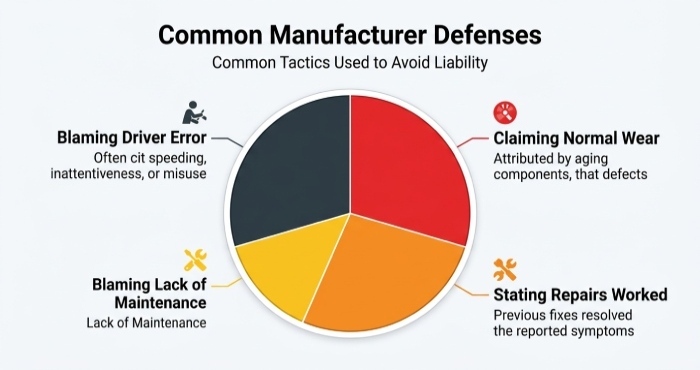
Automakers typically do not acknowledge responsibility right away, often employing tough defense tactics to reduce their financial obligations. Some prevalent strategies they use involve:
- Accusing the driver of improper use
- Asserting that defects are standard
- Maintaining that repairs resolved the problem
- Contesting how often repairs were needed
- Questioning the accuracy of records
A lemon law attorney proactively prepares for these defenses from the outset, gathering evidence in advance instead of waiting to respond. This early preparation can significantly impact the outcome, turning a rejected claim into a favorable settlement.
11. Negotiating Settlement Terms Beyond the Refund
Many drivers overlook that lemon law settlements can include several important negotiated terms beyond compensation.
- Resolving loan balances
- Managing negative equity
- Safeguarding credit reporting
- Obtaining tax refunds
- Including confidentiality terms
- Establishing buyback schedules
If consumers do not scrutinize the settlement thoroughly, they might inadvertently agree to terms that lead to financial difficulties later on.
How a Lemon Law Lawyer Simplifies the Process
An experienced lemon law lawyer does far more than file paperwork. Their role often includes:
- Reviewing eligibility requirements
- Organizing evidence
- Managing manufacturer communication
- Calculating damages
- Negotiating settlements
- Filing litigation if necessary
Many consumers in Inglewood and across California are unaware that successful lemon law claims may require manufacturers to cover attorney fees, making legal representation far more accessible than many people expect.
The Lemon Law Lawyer California process often involves hidden steps that many drivers fail to anticipate, from reviewing repair invoices to preserving critical digital evidence. Even small mistakes in documentation, delayed responses, or poor communication with manufacturers can weaken a potentially strong claim and reduce compensation opportunities. Working with a skilled Lemon Lawyer San Diego professional can help consumers navigate these overlooked details, strengthen their case, and improve their chances of securing fair compensation for a defective vehicle.