
Once a vehicle or product breaks down after the warranty expires, many consumers assume they have no legal options left. Manufacturers often rely on that assumption, hoping customers will simply walk away. However, the reality can be far more complicated. In some cases, you may still have valid legal rights and potential claims available — especially with guidance from an experienced California Lemon Law attorney.
This guide examines how issues that arise after the warranty period can still support legitimate claims, along with underutilized tactics that can enhance your case.
Understanding the Limits of Warranties
A warranty serves as a commitment from a manufacturer or seller to rectify or replace a faulty item within a designated timeframe. After this period lapses, the company generally considers its responsibility complete. However, it’s important to note that warranties are not the only form of legal recourse available to buyers.
Express vs. Implied Warranties
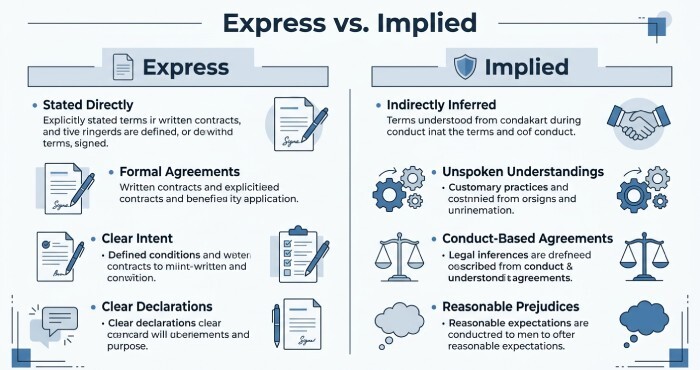
Express warranties are explicitly articulated (such as “3-year coverage”), whereas implied warranties function silently in the background.
Implied Warranty of Merchantability
This warranty guarantees that a product will perform satisfactorily for a reasonable duration. Even after the written warranty has lapsed, a product that malfunctions prematurely might still infringe upon this standard.
Implied Warranty of Fitness for a Particular Purpose
If a seller suggests a product for a specific application and it does not perform as expected in that scenario, you may have a basis for a claim, even if the warranty has expired.
Why “Out-of-Warranty” Doesn’t Always Mean “Out of Luck”
Manufacturers often rely on warranty expiration to protect themselves, but courts and consumer protection regulations tend to take a more comprehensive perspective.
The Idea of Expected Longevity
A crucial question in many situations is whether the product failed sooner than what a typical consumer would anticipate. For instance, if a premium appliance malfunctions shortly after the warranty period expires, it could still be deemed faulty if its expected lifespan is considerably longer.
Concealed or Hidden Defects
Some issues may not be immediately visible and are referred to as “latent defects.” These problems might only surface after the product has been used for a while. If you can demonstrate that the defect was present from the start but only became noticeable later, it can strengthen your case.
Case Evaluation Strategies That May Surprise You
Constructing a strong argument goes beyond merely highlighting a faulty product; it necessitates collecting evidence, grasping legal principles, and weaving together a coherent story.
1. Keep Detailed Records — Even Post-Warranty
Many individuals cease documentation once their warranty period concludes, which is a misstep.
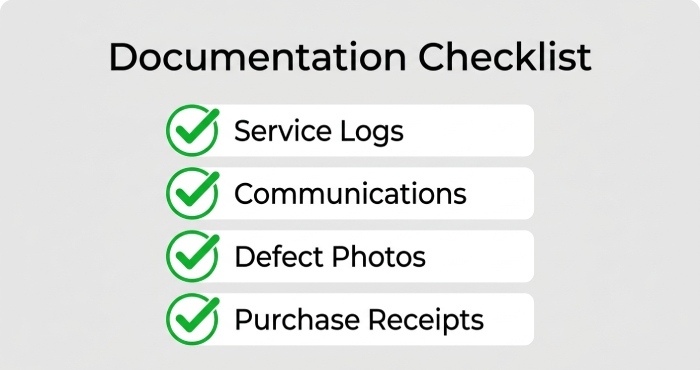
What to Record:
- Attempts at repairs and service logs
- Correspondence with the manufacturer or dealer
- Visual evidence of the defect
- Purchase receipts and proof of acquisition
Thorough documentation can illustrate a recurring issue and indicate that the problem wasn’t due to user error.
2. Investigate Common Defects and Recalls
Your problem may not be one-of-a-kind.
Importance:
- If other customers have reported similar complaints, it points to a potential design flaw.
- Recalls or technical service bulletins can bolster your argument.
- Exploring online forums and complaint platforms may uncover trends.
- Even if your specific item hasn’t been recalled, widespread issues can lend weight to your case.
3. Utilize Consumer Protection Regulations
In addition to warranties, multiple laws safeguard consumers from faulty products.
Examples of Legal Options:
- Statutes for consumer protection
- Claims of fraud or misrepresentation
- Breach of implied warranty
These regulations often prioritize fairness over strict deadlines, making them beneficial for cases beyond warranty coverage.
4. Assess Manufacturer Behavior
A company’s reaction to grievances can significantly affect your argument.
Warning Signs:
- Repeated unsuccessful repair efforts
- Ignoring known issues
- Providing misleading information about the product’s features
A consistent pattern of dismissive or deceitful actions can enhance claims of bad faith or unethical business practices.
5. Weigh the Costs Against Potential Benefits
Not every defect warrants legal action. A strategic analysis involves balancing potential recovery against expenses.
Considerations:
- What is the product’s worth?
- How much have you already invested in repairs?
- Is replacement a more sensible option?
In some cases, even a partial settlement or recovery can make pursuing a claim worthwhile.
Even in Pine Valley, a vehicle that’s out of warranty but still defective may qualify for legal remedies—if you apply smart case evaluation strategies that uncover hidden opportunities for compensation.
Timing Still Matters—Even After Warranty Expiry
Though warranties come with specific time limits, legal claims can adhere to varying schedules.
- Statutes of Limitations: These regulations determine the longest duration allowed for initiating a claim. Notably, the countdown can begin upon discovering a defect, rather than at the time of purchase.
Why This Matters:
- You might still be eligible to file a claim even after several years.
- Waiting too long could undermine your case.
Grasping these timelines is vital for protecting your rights.
Out-of-Warranty Defects: Data-Driven Insights
| Statistic | Insight | Relevance |
| 60% face product failure soon after warranty expiry | Failures often occur just beyond coverage | Shows need to evaluate claims beyond warranty |
| 70% don’t pursue claims after warranty ends | Consumers assume no legal rights | Highlights lack of awareness of legal options |
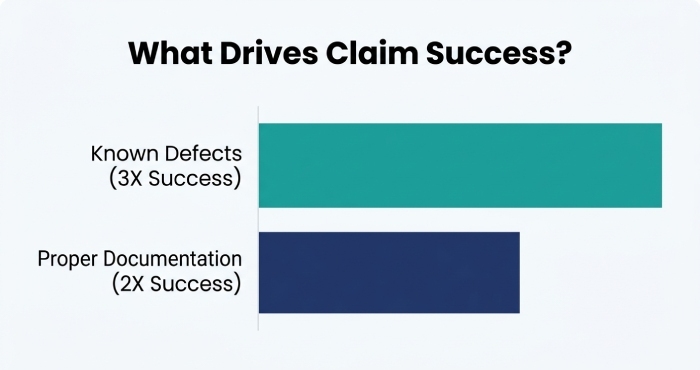
| 3x higher success with known defects | Recurring issues strengthen cases | Encourages checking recalls & complaints |
| 50%+ disputes resolved via settlement | Court isn’t always required | Supports negotiation as a strategy |
| 2x higher success with proper documentation | Records improve claim outcomes | Emphasizes importance of keeping repair history |
Final Thoughts
A product failing after its warranty expires can feel frustrating—and unfair. But it doesn’t have to be the end of the road. By understanding your rights and applying smart case evaluation strategies, you can uncover options that many consumers overlook—especially with guidance from a skilled California Lemon Law Lawyer
The key lies in shifting your perspective: instead of focusing solely on the warranty, look at the broader picture. Defects, particularly those that appear prematurely or persist despite repairs, may still carry legal weight. An experienced Lemon Lawyer in San Diego can help assess whether your situation qualifies under consumer protection laws, even beyond the warranty period. With preparation, persistence, and the right legal strategy, you may find that your “out-of-warranty” case is far from over.