
Way #1: Claiming the Motorcycle Defect Is “Normal”
Dealers commonly say a vibration, stalling condition, battery drain, onboard computer warning, ABS fault, fuel injection system hesitation, catalytic converter smell, or braking system noise is “normal for that model.” This is often used to discourage a motorcycle lemon law claim before the rider realizes the California lemon law may apply.
Respond by documenting symptoms in detail. Take videos, save dashboard warnings, photograph leaks or damaged parts, and compare the bike with similar models at the same authorized dealership or another authorized facility. If the dealer says the problem is normal, request that explanation in writing on the repair order.
Way #2: Blaming Rider Error or Abuse
Another tactic is blaming the rider. The dealer may allege improper shifting, hard riding, missed maintenance, overloading, track use, or abuse—especially when the motorcycle defects involve transmission issues, suspension problems, brake malfunctions, or engine malfunctions.
Respond with maintenance records, riding history, photos, and expert inspection evidence. If you followed the motorcycle warranty schedule and used the bike for personal use rather than commercial racing or excluded off-road motorcycles activity, say so clearly. Keep receipts for oil changes, tires, battery service, and inspections.
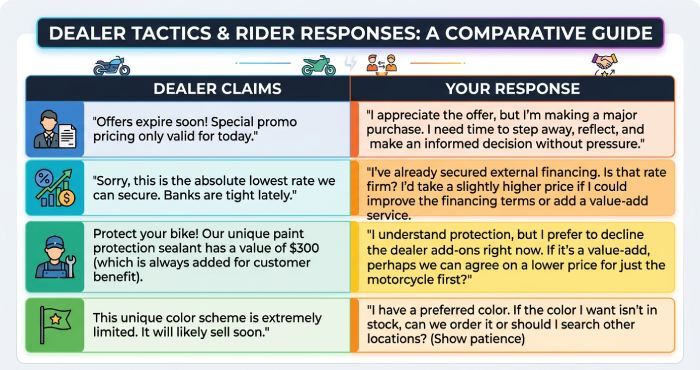
Way #3: Saying Aftermarket Parts Voided the Claim
Show the Modification Did Not Cause the Defect
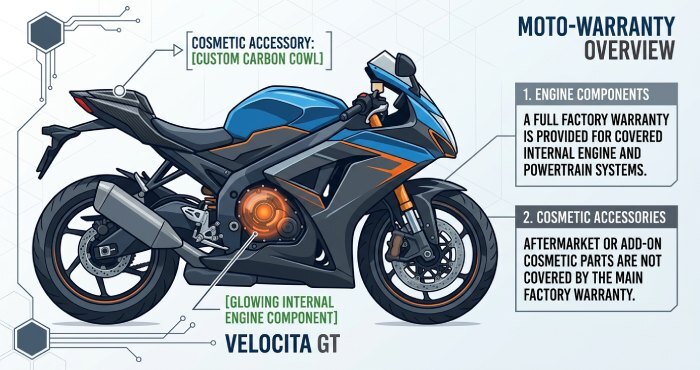
If the issue is ABS failure, an onboard computer fault, a defective steering mechanism, or cooling system failures, a cosmetic accessory may have nothing to do with it. Ask the dealer to identify exactly how the aftermarket part caused the specific substantial defect. A lemon law attorney can help analyze whether the manufacturer or dealer has a valid defense.
Keep the Original Parts and Installation Proof
Save invoices, installer notes, photos, and original equipment. This documentation can help a lemon law lawyer argue that the defective motorcycle remains covered by the manufacturer warranty and that the motorcycle warranty was not properly denied.
Way #4: Arguing the Bike Has Not Had Enough Repair Attempts
A dealer may say, “You need more repair attempts,” even after the bike has repeatedly been out of service. The California lemon law does not always require endless visits. The Song-Beverly Consumer Warranty Act looks at whether the manufacturer or its authorized dealership had a reasonable number of attempts to fix the defect.
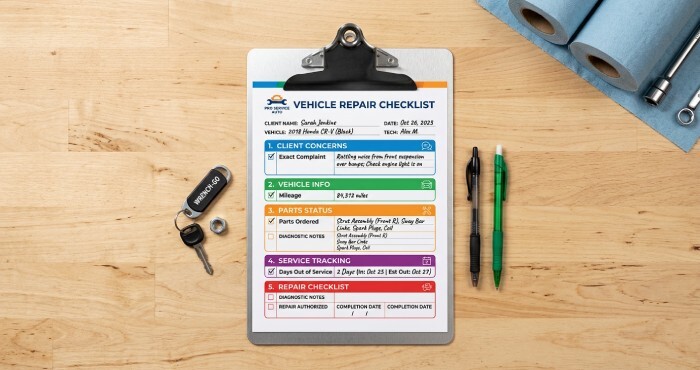
Respond by tracking every repair visit, repeat complaint, mileage, dates in and out, and days out of service. Document repairs even when the dealer says it “could not duplicate” the concern. Repair records showing repeated safety issues, stalling, brake malfunctions, electrical system malfunctions, or steering malfunctions can support a repurchase, replacement, refund, or other compensation.
Way #5: Calling the Problem a Minor Inconvenience
Dealers may describe the issue as minor: a warning light, intermittent stall, hard start, fuel system concerns, or unstable handling. But a “minor inconvenience” can still qualify if it affects safety, value, or usability.
Respond by explaining the real-world impact. Does the bike stall in traffic? Does the ABS light disable braking assistance? Does the battery fail after sitting overnight? Does the fuel injection system surge during turns? Does the defect make the motor vehicle unsafe or unreliable?
Way #6: Refusing to Put Repair Findings in Writing
Demand Complete Repair Orders
Always request a complete repair order before leaving the authorized facility. It should include your exact complaint, mileage, diagnosis, parts ordered, test ride results, and whether the defect was duplicated.
Save Every Communication
Keep texts, emails, voicemails, service portal screenshots, tow receipts, and notes from conversations. A lemon law lawyer or lemon law attorney can use these records to show persistent issues and a reasonable number of attempts under the California lemon law.
Way #7: Delaying Repairs Until the Warranty Expires
A dealer may delay appointments, wait on parts, or repeatedly say the motorcycle manufacturer has not approved repairs. Then, once the mileage limit or warranty end date passes, the dealer may claim the manufacturer warranty has expired.
Respond by proving the issue began during the manufacturer warranty period. Save the first complaint date, appointment requests, repair records, and communications showing you tried to obtain service before expiration. The motorcycle warranty timeline is critical.
Way #8: Saying the Manufacturer, Not the Dealer, Is Responsible
Dealers often say, “That’s between you and the manufacturer.” While a repurchase or replacement is usually the manufacturer’s obligation, the dealer’s records are essential evidence. The authorized dealership is typically the place where the manufacturer gets its reasonable number of attempts to repair the defective motorcycle.
Preserve dealer records, service invoices, and communications. Then contact a lemon law lawyer California motorcycles clients trust. For broader lemon law information, many consumers start by reviewing resources from a california lemon law lawyer, especially when comparing motorcycle lemon law issues with other motor vehicle claims.
Way #9: Offering a Low Settlement or Trade-In Instead of a Buyback
A dealer may suggest a trade-in, small cash payment, extended service plan, or discounted replacement instead of a formal repurchase. These offers may be far less than the recovery available under the California lemon law.
Respond by calculating potential recovery before signing anything. A proper motorcycle lemon law analysis may include refund of payments, down payment, registration, incidental costs, payoff of the loan, replacement, replacement vehicle options, attorneys’ fees, costs, and possible civil penalties. A repurchase may be better than a trade-in because it is based on legal rights, not dealer negotiation.
A lemon law lawyer can also explain deductions such as mileage offset or mileage limit issues. If you own other covered vehicles, separate advice may be needed; for example, an rv lemon law attorney handles different facts than a motorcycle lemon law matter, though both may involve the Song-Beverly Consumer Warranty Act.
Way #10: Discouraging You From Hiring a Lawyer
Finally, a dealer or manufacturer representative may say hiring a lawyer will “slow things down” or “reduce your recovery.” Be cautious. Under the Song-Beverly Consumer Warranty Act, a prevailing consumer may recover attorneys’ fees from the manufacturer, which means qualified legal representation may not require paying hourly fees out of pocket.
Before signing a release, trade-in agreement, settlement, or repair waiver, consult a California motorcycle lemon law attorney. A skilled lemon law attorney can determine whether the defective motorcycle qualifies for repurchase, refund, replacement, compensation, or a lemon lawsuit. Many firms offer a free consultation, including options such as a lemon law attorney san diego for California consumers seeking guidance.