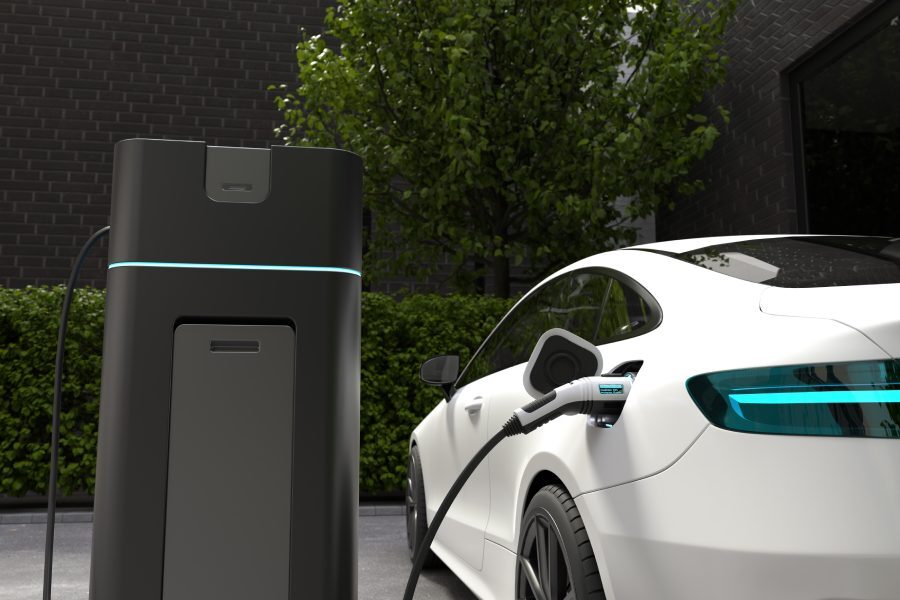
California’s enthusiasm for electric cars, especially Teslas, has reshaped its roads and communities. Yet, ongoing problems with these high-tech vehicles can make enforcing Lemon Law rights more complex than with traditional gas cars. This guide outlines how the Song-Beverly Consumer Warranty Act applies to EVs, the common challenges Tesla owners face, and steps to secure fair resolutions.
00:00
What Counts as a “Lemon” for a Tesla?
California’s Lemon Law provides safeguards for purchasers and lessees of new and certain used vehicles that are backed by a manufacturer’s warranty. A vehicle is typically classified as a lemon if it exhibits a significant defect within the initial 18 months or 18,000 miles, necessitating at least two attempts for repairs, or if it has a non-safety-related issue that requires four repair attempts, or if it has been in the repair shop for a total of 30 days or more.
While this presumption simplifies the claims process, it is not the sole option available. Even after the 18-month or 18,000-mile period, a car may still be deemed a lemon if it continues to require repeated repairs under warranty that fail to resolve issues affecting its usability, safety, or overall value.
Why EVs—and Teslas—Create Unique Lemon Law Challenges
Battery and Range Issues
The battery is key to an EV’s performance, but problems like rapid capacity loss, reduced range, or charging issues may occur. Since Tesla’s warranty covers capacity retention, carefully tracking usage data and keeping records can help distinguish defects from normal wear and strengthen your case if concerns are dismissed.
Software Glitches and OTA Updates
Tesla’s over-the-air updates can fix issues remotely but may also cause new problems like braking glitches, autopilot failures, or screen reboots. Since each update counts as a repair attempt under Lemon Law—and downtime while waiting for an update can add to the 30-day threshold—it’s important to document update versions and dates carefully.
Charging Equipment and Infrastructure Challenges
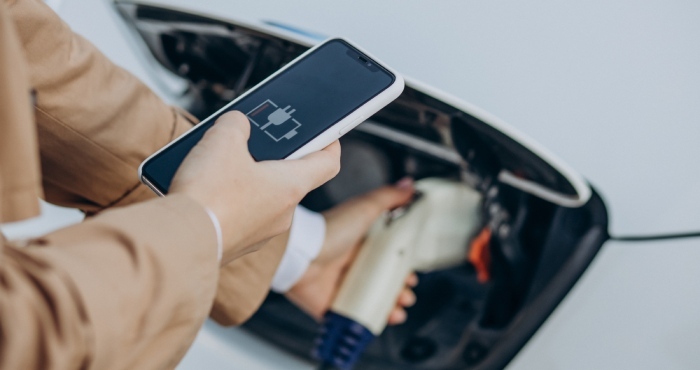
Issues like charger malfunctions, supercharging failures, or faulty charge ports can leave drivers stranded. Careful documentation is key—if charging problems persist across different stations, outlets, or connectors, it shows the defect is with the vehicle itself rather than the charging setup.
Calibration of ADAS and Sensors
Advanced driver-assistance systems depend on correctly calibrated cameras, radar, and sensors. After a windshield replacement or collision repair, misalignment can trigger constant alerts or erratic behavior, and repeated failed recalibrations may count as a “reasonable number of repair attempts” under Lemon Law standards.
Availability of Parts and Delays in Service
When a vehicle is at a repair shop waiting for a specific part or advanced diagnostic services, the days it remains out of service accumulate quickly. If the delay is due to the manufacturer, these days typically contribute to the 30-day limit, even if no one is actively working on the vehicle.
EVs—and Teslas in particular—create unique Lemon Law challenges in Tecate, California, due to complex battery issues, software glitches, and specialized repair requirements.
What Remedies Does the California Lemon Law Provide?
If your Tesla is deemed a lemon, you typically have two main options for resolution:
Buyback: The manufacturer will repurchase your vehicle and refund your payments, fees, and certain costs like towing or rentals. The refund is reduced by a mileage offset for the miles driven before the first major defect. In California, this mileage offset is calculated as follows: offset = (miles driven until the first repair attempt ÷ 120,000) × purchase price.
Replacement: You may receive a new vehicle with similar specifications, adjusted for taxes and fees. Many prefer a buyback, but replacement is a good choice if you want to stay with the same brand and model.
If a manufacturer knowingly violates the law, courts can impose civil penalties of up to twice the actual damages, plus attorney’s fees and costs. This fee-shifting rule often allows you to work with a Lemon law attorney in San Diego without any upfront payment.
How to Build a Strong Tesla Lemon Claim
Maintain Detailed Records:
Keep a detailed log noting dates, mileage, symptoms, error messages, photos or videos, and how the issue affects usability, value, or safety (e.g., “requires extra charging stop on regular route”). For software issues, also record firmware versions and update timestamps.
Importance of Service Documentation:
Ensure that all repairs are conducted through official channels and retain every work order and invoice — even those indicating “no trouble found.” If a mobile service technician visits, ask for a detailed report of diagnostics and any parts used.
Distinguishing Repairs from Temporary Fixes:
While a hard reboot or software update may be a legitimate fix attempt, if the same issue reoccurs, it is still categorized as another repair effort. Keep track of how long your vehicle is out of commission, whether it’s in the shop, waiting on parts, or parked at home due to a recognized problem.
Conduct Charging Tests in Various Settings:
If charging issues arise, test your vehicle at home (Level 2), at different public charging stations, and at Superchargers. Record station IDs, testing times, ambient temperatures, and results. Identifying consistent patterns across locations can reinforce the argument that the vehicle is at fault.
Gather Battery Health Data:
Utilize the vehicle’s energy display, trip meters, and any health reports provided by the manufacturer. If you notice a significant drop in range following an over-the-air update, document the metrics before and after the update along with any relevant release notes.
Tips to Avoid Future Headaches
Prior to making a purchase, it’s essential to examine the warranty on the battery, confirm the capacity assurances, and investigate any issues related to specific model years. During the initial month of ownership, gather fundamental information regarding the vehicle’s range, charging speed, and software version for future reference. Consistently monitor over-the-air (OTA) updates by keeping a record of versions and changes, and promptly document any new issues that arise while seeking service when necessary.
Tesla’s advanced technology presents unique challenges, including battery and charging issues, as well as software and safety defects. With the help of a California Lemon Law lawyer, you can better protect your rights. By keeping detailed records and using authorized repair services, you strengthen your claim for a refund or replacement if these problems continue under California’s Lemon Law.
Acquiring a new car should be an exciting experience, but that excitement can quickly fade when persistent problems arise. Fortunately, California’s Lemon Law offers protection for consumers who unknowingly purchase defective vehicles. However, the law comes with strict deadlines and complex remedies that can be difficult to navigate. Consulting a California Lemon Law Lawyer ensures that consumers fully understand their rights and can pursue fair treatment and proper compensation.
00:00
Understanding the Lemon Law Statute
The Song-Beverly Consumer Warranty Act, commonly referred to as the California Lemon Law, offers protection to individuals who purchase or lease vehicles that have serious flaws affecting their usability, safety, or overall worth. These issues must occur while the vehicle is still covered by the manufacturer’s warranty, and the manufacturer should be allowed a fair chance to fix the problem. If the defect continues after multiple repair attempts, the vehicle may be deemed a “lemon,” granting the buyer the right to either a refund or a replacement.
Understanding the Lemon Law statute is key to knowing your rights, timelines, and available remedies when dealing with a defective vehicle. Out-of-state Lemon Law claims may follow different rules, so consumers should review the specific laws in the state where the vehicle was purchased or registered.
Essential Timelines in Lemon Law Claims
Coverage During the Warranty Period
A Lemon Law claim is fundamentally based on the warranty duration. Any defects must arise while the vehicle is still covered by the manufacturer’s new car warranty or a certified pre-owned warranty. Even if repair attempts continue past the warranty’s end date, the claim is still valid as long as the initial issue was reported during the warranty period.
Acceptable Repair Attempts
While the law does not define a specific number of repair attempts required, it offers some guidance:
Two attempts are recommended for defects that present a significant safety hazard, such as brake malfunctions or defective airbags.
Four or more attempts may be necessary for other substantial issues that are less critical but still noteworthy.
A total of 30 or more days spent in the repair shop for warranty-related problems, regardless of how many times repairs were attempted.
Time Limit for Filing
In California, there is a four-year statute of limitations starting from when the consumer became aware or should have been aware that their vehicle was a lemon. It is essential to file within this timeframe; failing to do so may result in losing rights under the Lemon Law.
Remedies Available Under the Lemon Law
Manufacturer Repurchase Program
A prevalent solution is the repurchase program offered by the manufacturer. In this scenario, the manufacturer is obligated to:
Refund the initial down payment, any monthly installments, and associated taxes or fees.
Cover expenses related to towing and rental vehicles caused by the defect.
Apply a mileage deduction for the time the vehicle was operational without issues.
This option enables the consumer to exit the situation with financial compensation for the faulty vehicle.
Vehicle Exchange
Sometimes, manufacturers may provide a comparable replacement vehicle. This solution is ideal for consumers who still have confidence in the brand but require a vehicle that operates correctly. The new vehicle should come with all relevant warranties intact.
Monetary Settlement (Keep the Vehicle)
Consumers also have the option to accept a cash settlement while retaining their vehicle. This choice is most suitable when the issues are annoying but not serious enough to warrant giving up the car completely.
Coverage for Legal Fees
A key provision of California’s Lemon Law mandates that manufacturers must pay for reasonable attorney fees and legal expenses. This requirement allows consumers to pursue their claims without the added financial strain of legal costs.
Steps to Protect Your Rights
Maintaining thorough documentation is a crucial aspect of establishing a robust Lemon Law claim. Consumers should retain all repair orders, service invoices, and any communication with the dealership. Even jotting down notes regarding how the defect affects the vehicle’s safety or functionality can serve as vital evidence for the case.
Additionally, it is important for consumers to inform the manufacturer or authorized dealer about the issue and provide them with sufficient chances to remedy the situation. Using written forms of communication, such as emails or letters, can act as evidence that the manufacturer was adequately notified. This record-keeping not only bolsters the case but also aids in resolving conflicts more swiftly.
Given the complexities surrounding Lemon Law regulations, it is highly advisable to seek the guidance of a California Lemon Law Attorney. An experienced attorney can evaluate whether the vehicle qualifies under the law, explain available remedies, and negotiate directly with manufacturers on the consumer’s behalf. If arbitration or court proceedings become necessary, a California Lemon Law Attorney will ensure that the consumer’s rights are fully protected throughout the process.
Why Timeliness Matters
Timelines are crucial in Lemon Law cases. Any delay in filing or lack of documentation regarding repair efforts can put a consumer’s rights at risk. Prompt action helps preserve evidence and simplifies the pursuit of remedies. By being aware of the statute of limitations and the necessary documentation for repair attempts, consumers can better position themselves to obtain compensation.
The Lemon Law is designed to protect consumers from the frustration and financial burden of defective vehicles. A closer look at its timelines and remedies shows that California drivers enjoy strong legal protections. Whether pursuing a buyback, replacement vehicle, or cash settlement, it is essential to act promptly, maintain thorough documentation, and seek guidance from a San Diego Lemon Law Lawyer when needed.
Frequent breakdowns in a brand-new vehicle can cause major frustration and mounting repair costs. California’s Lemon Law exists to protect consumers facing cars with persistent, unfixable problems. Consulting experienced California Lemon Law lawyers can help you navigate this process effectively. This article shares anonymized case studies under California’s Lemon Law, highlighting common responses from manufacturers and courts, and provides practical guidance and actionable steps to improve your chances of a successful claim if you believe your vehicle qualifies as a lemon.
00:00
Quick primer: what California’s Lemon Law covers (high level)
The Song-Beverly Consumer Warranty Act in California, often referred to as the Lemon Law, primarily protects new automobiles and certain used or certified pre-owned vehicles that are still within the manufacturer’s warranty period. This legislation is invoked when a manufacturer or their authorized dealership is unable to fix a significant defect that impacts the vehicle’s safety, usability, or worth, despite making a reasonable number of repair attempts. The term “reasonable” is not a set figure; courts consider factors such as the severity of the defect, the number of repair efforts made, and the duration for which the vehicle has been inoperative.
A sedan that was only two years old began to experience slipping and jerking during gear shifts within its first year of use. The owner took the vehicle to the dealership on six separate occasions; despite spending considerable time in the shop, the problem persisted.
Courtroom dynamics:
The claimant meticulously recorded each service visit, highlighting multiple entries for the same issue in the service logs, and provided emails that sought higher-level intervention. The manufacturer contended that the issue was sporadic and had been adequately resolved.
Outcome and impact:
The arbitrator found the repair history compelling — repeated attempts to fix the issue, extended periods without the vehicle, and the potential safety risks associated with a malfunctioning transmission influenced the decision. Consequently, the manufacturer was instructed to buy back the car (with a deduction for mileage), in addition to paying civil penalties and legal fees in accordance with California law.
Takeaway:Maintaining detailed, timely records of repairs (including dates and descriptions) and demonstrating how the problem posed safety risks can significantly bolster a consumer’s case.
Case Study B — The Persistent Electrical Gremlin (Representative)
Background:
An SUV experienced sporadic loss of power to its instruments and lights. The dealership attempted repairs by replacing modules on two occasions, but the issue persisted. The vehicle was still under warranty and had required multiple trips to the dealership.
Courtroom dynamics:
The defense contended that the issue stemmed from owner neglect rather than a manufacturing defect, arguing that the sporadic nature of the failure excluded it from warranty coverage. In contrast, the claimant brought in an independent automotive expert who identified a design flaw in the electronic control module as the source of the problem.
Outcome and impact:
The judge ruled in favor of the consumer, noting that the expert’s findings linked the recurring issue to a component failure that remained unresolved despite the manufacturer’s attempts at repair. This ruling underscored the importance of expert testimony in cases involving intermittent faults.
Takeaway: In situations involving electrical or sporadic failures, having an independent expert who can clearly articulate the root cause in simple terms can be pivotal.
Case Study C — The Used Car with a Still-Running Warranty (Representative)
Context:
A customer acquired a certified pre-owned car that still had a factory warranty. Soon after the purchase, they experienced ongoing engine misfires, necessitating several repairs. The dealership argued that the issue existed before the sale and denied any liability.
Courtroom proceedings:
The buyer pointed out that the vehicle was sold with a warranty, asserting that it was the manufacturer’s obligation to uphold it, not the dealer’s. Documentation of service performed post-purchase indicated that the same issue continued to occur, despite repairs authorized by the manufacturer.
Result and implications:
The court ruled in favor of the buyer, mandating the repurchase of the vehicle in accordance with the warranty provisions. This ruling established that certified pre-owned vehicles with an active factory warranty could be treated similarly to new cars under Lemon Law regulations when defects are ongoing.
Key takeaway: Individuals purchasing used vehicles with remaining factory warranties should retain all relevant documentation and seek warranty remedies if problems persist.
Key evidence that moves judges and arbitrators
In Glendale, California, detailed repair records and clear defect documentation often sway judges and arbitrators in Lemon Law cases.
Service documentation: Important details such as dates, mileage, descriptions, and repair orders indicating recurring issues are crucial.
Downtime records: The number of days the vehicle was unusable bolsters the case for significant impairment.
Correspondence: Emails, certified letters, or requests for escalation demonstrate your efforts to seek a proper resolution.
Reports from independent experts: Particularly useful for addressing complicated or sporadic problems.
Images and videos: Capture evidence of issues (like dashboard alerts or fluid leaks) whenever possible.
Testimonies from buyers: Clear and consistent accounts of how defects impact usability, safety, or value are essential.
Broader impact: how these cases shape consumer rights
Key Lemon Law rulings have highlighted several crucial points: the significance of repair frequency and total vehicle downtime, the need for independent expert evaluations for intermittent issues, and the applicability of remedies for used or certified vehicles still under warranty. A skilled Lemon Law attorney can leverage these precedents to strengthen a consumer’s case. These legal decisions have also prompted manufacturers to improve quality control, update technical service bulletins, and, in some cases, offer voluntary buybacks or goodwill initiatives to avoid litigation.
In the consumer sector, successful lemon law cases help increase awareness regarding the importance of proper documentation and escalation processes. For lawyers, these cases contribute to a growing body of legal practice that enhances consumer access to fair remedies, such as repurchase, replacement, or cash settlements.
Final thoughts
Cases involving Lemon Law rely heavily on thorough documentation, determination, and clear evidence of irreparable issues. A well-prepared case often leads to resolution via arbitration or settlement. If you think you have a lemon, seek assistance from a Lemon Law Lawyer in San Diego for support.
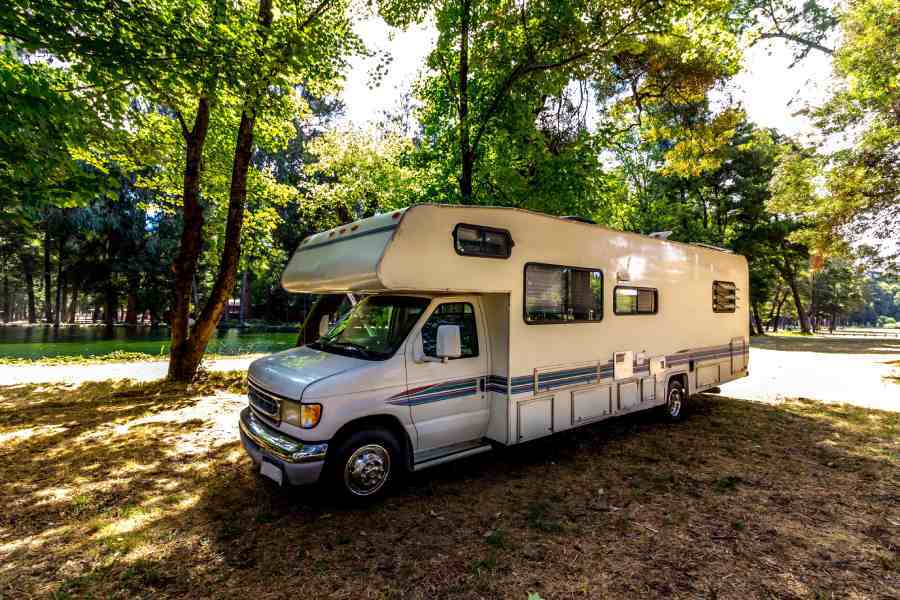
The trend of van living is on the rise, with many individuals opting for mobile homes instead of traditional mortgages. These can range from factory-made campervans to personalized tiny homes created by owners or upfitters. However, issues may arise when these vehicles become burdensome rather than liberating, facing problems like roof leaks, electrical fires, or ongoing drivetrain malfunctions. This leads many van owners to question whether California’s Lemon Law provides any protection for converted vans and campervans.
00:00
The brief answer is: occasionally. The more detailed explanation hinges on the specific defect within the vehicle, the manufacturer or warranty provider responsible for that part, the status of the vehicle’s original warranty, and how it has been registered and utilized.
The Lemon Law in California, formally known as the Song-Beverly Consumer Warranty Act, safeguards consumers whose vehicles, covered by the manufacturer’s warranty, remain unrepairable despite several attempts. This legislation specifically pertains to automobiles, including cars, trucks, vans, and SUVs that are sold with a new vehicle warranty from the manufacturer.
In Scripps Ranch, San Diego, the coverage extends to the chassis, chassis cab, and drivetrain of motorhomes. These vital components receive the same protections under the law.
Why converted vans are a special case
Converted vans and campervans typically do not come from a single manufacturer. Instead, their production involves multiple stages:
A secondary company or aftermarket upfitter adds living-space features such as insulation, cabinetry, plumbing, wiring, and appliances.
In some cases, the conversion is done by individuals who gather parts from various suppliers.
Due to this multi-sourced construction, various components of the same vehicle may be subject to different warranties, and different aspects of the Song-Beverly Act may be relevant. Courts and consumer advocates have consistently acknowledged that the chassis and drivetrain components of RVs and motorhomes are treated distinctly from the interior coach elements.
Consequently, issues with the engine or transmission (chassis components) typically fall under traditional lemon-law protections, while problems related to the interior coach may only be covered if they meet specific consumer goods warranty criteria or if the converter has provided a warranty.
Important factors that decide coverage
The vehicle or part is under the manufacturer’s warranty.
The Lemon Law typically stipulates that the defect must fall within the parameters of a manufacturer’s warranty, which may include some dealer or certified pre-owned warranties. If there is a separate warranty for any modifications or aftermarket work, you’ll need to examine that warranty to determine liability.
The faulty part is the chassis, drivetrain, coach, or interior.
Legal precedents in California indicate that the chassis (which includes the engine, transmission, and drivetrain) is generally classified as a “new motor vehicle.” In contrast, the coach (living area) might be protected under broader consumer-goods warranty laws, but pursuing this can be more complicated. For instance, if there is an issue with kitchen wiring installed by an upfitter, responsibility may lie with the upfitter’s warranty rather than with the OEM’s obligations under the Lemon Law.
Specific parties handled the conversion and warranties.
If a reputable RV manufacturer conducted the conversion or if the vehicle was marketed as a motorhome, their warranties typically facilitate asserting Lemon Law claims. However, if the conversion was done aftermarket or was DIY, the terms of the converter’s warranties — or absence thereof — become significantly important.
Registration status and intended usage can also play a role.
California DMV regulations acknowledge “housecars” (such as motorhomes and van campers) for registration purposes. How a vehicle is registered and whether it was acquired mainly for business purposes (as well as fleet size and gross vehicle weight thresholds) can affect warranty coverage. Purchases made by small fleets may qualify under certain criteria, whereas large commercial vehicles or those converted solely for commercial use may not be eligible.
Typical real-world outcomes
Should your modified van experience ongoing engine or transmission issues while still under the original equipment manufacturer (OEM) warranty, you have a solid basis for filing a lemon-law claim, as the OEM’s responsibilities regarding chassis-related problems are clearly defined.
Conversely, if you encounter issues such as a leaking sink, disassembled cabinetry, or faulty solar system wiring — provided these components were installed by an upfitter — you may need to seek resolution through the upfitter’s warranty or a consumer goods warranty claim. The OEM might not be liable unless they specifically warranted the living area of the van. Courts may assign liability based on the warranties in place and how the product was marketed as a unified recreational vehicle (RV).
Practical steps if your converted van is acting like a lemon
Review all warranties (including those from the OEM, converter/upfitter, appliance manufacturers, and dealer). Understand what is included and the duration of the coverage.
Keep thorough records. Maintain all repair orders, emails, dates, mileage, photographs, and a log of days the van was out of service. These documents can be crucial in resolving disputes.
Whenever possible, utilize authorized service centers. Getting repairs done at authorized dealers or upfitters reinforces the evidence that you adhered to the warranty requirements.
If issues arise, escalate the matter in writing and retain copies. Send certified letters or documented emails to both the seller and manufacturer outlining the defect and your repair efforts.
Consult with a Lemon Law attorney who specializes in RVs and conversions. Such cases often depend on the specifics of warranty language and intricate legal precedents (for instance, how courts interpret various RV components). An attorney can assess whether the defect falls under coverage and what potential remedies you might receive.
In California, converted vans and campervans are eligible for Lemon Law protections, though coverage for living areas is not guaranteed. The strongest cases typically involve problems with the chassis, drivetrain, or parts that remain under the manufacturer’s warranty. If you’re in San Diego, a San Diego Lemon Law Lawyer can help you handle problems with the coach or conversion, file warranty claims, and resolve ongoing defects.
California’s robust Lemon Law helps consumers in San Diego who purchase or lease defective vehicles—such as cars, trucks, RVs, or motorcycles—by allowing them to pursue a refund or replacement after repeated repair attempts. While some individuals opt to handle the process themselves to save on legal fees, working with a skilled San Diego Lemon Law attorney can provide valuable expertise and improve the chances of success, especially when dealing with experienced manufacturer lawyers.
00:00
Understanding California’s Lemon Law
Prior to evaluating the advantages and disadvantages of representing oneself in legal matters, it is important to grasp the fundamentals of California’s Lemon Law, officially referred to as the Song-Beverly Consumer Warranty Act. This legislation safeguards buyers and lessees of new or used vehicles still covered by a manufacturer’s warranty when they encounter persistent issues that impact the vehicle’s usability, value, or safety. Should the manufacturer or their authorized dealerships fail to resolve these issues after a reasonable number of attempts, the consumer may qualify for either a replacement vehicle or a complete refund.
The DIY Appeal: Why Consumers Consider Self-Representation
Many people may choose to pursue their Lemon Law claims without legal representation for a variety of reasons. Common motivations include the wish to avoid attorney fees, retain oversight of their case, or the belief that the procedure is simple enough to navigate on their own. Nevertheless, it is important to weigh these reasons against the intricacies of the legal system and the strategies companies frequently employ to reduce compensation.
Now, let’s look at the advantages and disadvantages.
Pros of DIY Lemon Law Representation in California
Reducing Legal Expenses
Many people choose to handle Lemon Law cases themselves to avoid attorney fees. While most California Lemon Law lawyers work on a contingency basis—meaning the manufacturer pays if the case is won—some consumers remain wary of possible costs or simply prefer to resolve matters on their own.
Complete Authority Over the Case
When individuals represent themselves, they gain full authority over all facets of their case, from gathering evidence to liaising with the manufacturer. For those who are meticulous and proactive, this degree of authority can be both empowering and attractive.
Possibly Quicker Outcomes
By bypassing the need to work with legal representatives or adhere to more formal procedures, some individuals might feel that they can expedite their claims by engaging directly with the manufacturer. This is particularly true when the defect is evident and well-documented.
Educational Opportunity
Navigating a Lemon Law case can serve as a valuable learning experience for those keen on understanding legal principles or consumer rights. Engaging with the legal system, drafting correspondence, and familiarizing oneself with relevant laws can be gratifying for certain individuals.
Cons of DIY Lemon Law Representation in California
Legal Intricacies and Manufacturer Pushback
Cases involving Lemon Law are often more complicated than they initially seem. Manufacturers typically have well-established legal teams dedicated to safeguarding their interests. They may contend that the defect is minor, that insufficient repair attempts were made, or that the consumer did not adhere to warranty conditions. Without a deep knowledge of California’s Lemon Law, consumers risk jeopardizing their cases or settling for less favorable outcomes.
Challenges in Gathering Evidence and Documentation
Proving a Lemon Law case requires collecting key documents like repair invoices, warranty details, service records, and communication logs. Missing or poorly organized evidence can weaken your claim, but attorneys know how to structure and present this information for maximum impact.
Potential for Reduced Compensation
Even if a consumer successfully handles their case without a lawyer, the outcome may fall short of full compensation. Manufacturers often offer low settlements or extended warranties instead of full refunds or replacements, counting on the consumer’s lack of legal expertise.
Emotional Strain and Time Commitment
Handling a Lemon Law case on your own can be overwhelming, requiring extensive research, legal paperwork, tough negotiations, and persistent follow-ups with dealerships or manufacturers. For those with busy schedules, the emotional strain and time commitment may far exceed any savings from avoiding legal fees.
Important Considerations Before Choosing DIY
If you’re thinking about tackling the DIY approach, it’s important to evaluate several key aspects:
Are you well-versed in the details of California’s Lemon Law?
Do you possess all relevant repair documents, warranty details, and records of communication?
Are you at ease with negotiating against manufacturers or their legal teams?
Are you ready to pursue arbitration or possibly take your case to small claims court if necessary?
Do you have the time and emotional resilience to oversee this matter over the coming weeks or months?
If you find that you can answer “yes” to most of these questions, you might be in a good position to manage your own Lemon Law case. However, if you have any doubts, seeking advice from a qualified attorney — even for a complimentary assessment — could prove to be extremely beneficial.
When You Should Consider a Lemon Law Lawyer
Engaging a Lemon Law attorney can be a prudent choice, especially when the manufacturer refuses to accept responsibility, the defect is challenging to demonstrate, or the situation pertains to leased vehicles, RVs, or used cars with complicated warranty concerns. It’s also advisable if you’re presented with an inadequate settlement or if the issue might require moving beyond simple mediation.
In Stockton, California, if you succeed in a Lemon Law lawsuit, the manufacturer typically has to pay for your legal expenses. This makes pursuing such a case a low-risk and potentially lucrative choice for consumers.
Know When to Hold ‘Em, Know When to Call a Lawyer
Representing yourself in a California Lemon Law case is possible if you have solid documentation and determination, but it carries risks—particularly when facing seasoned manufacturer attorneys. Speaking with a Lemon Law attorney for a free case evaluation can clarify the strength of your claim and guide your next steps. Whether you decide to go it alone or partner with an experienced lawyer, the ultimate goal is securing fair compensation for your defective vehicle.
Contemporary recreational vehicles (RVs) are equipped with cutting-edge technology, blending comfort, mobility, and innovative features like never before. Modern RVs include solar panels for off-grid travel, slide-outs that increase living areas with a simple button press, and smart systems that allow users to manage lighting, temperature, and security through their smartphones. Nonetheless, the added sophistication can lead to a higher likelihood of mechanical, electrical, or software malfunctions. Such issues can affect the RV’s functionality, safety, or resale value—potentially qualifying it as a ‘lemon’ under California’s Lemon Law. In such cases, consulting a California Lemon Law lawyer can help you understand your rights and pursue the compensation you deserve.
00:00
This article delves into how advanced features like solar panels, slide-outs, and smart technologies may result in significant operational challenges in RVs and emphasizes the importance of being aware of your rights under the Lemon Law when facing ongoing issues.
The Rise of Modern Features in RVs
To meet the growing consumer preference for convenience and sustainability, RV makers are integrating cutting-edge features:
Solar Energy Systems: Enable users to generate their own power, minimizing the need for generators or connections to campground electricity.
Expandable Sections: Mechanically extend the living area of the RV when it is stationary, enhancing space.
Smart Technology: Manage lighting, appliances, heating and cooling systems, and security through mobile applications or built-in tablets.
These enhancements significantly increase value, particularly for those who live in their RVs year-round or venture off the grid. However, they also introduce potential hazards if components fail or are improperly installed during the production process.
Solar Panel Systems: When Green Energy Becomes a Red Flag
In contemporary recreational vehicles (RVs), solar panels have become a typical inclusion, providing sustainable energy while minimizing reliance on noisy generators. However, these systems consist of complex elements, including panels, batteries, inverters, and extensive wiring — each component must operate properly to guarantee effective power distribution.
When problems occur — such as faulty wiring, failures in the battery management system (BMS), or inverter issues — they can result in inadequate charging, appliance malfunctions, or even total system breakdown. If these challenges continue despite several repair efforts by the dealer or manufacturer, they could severely impact the RV’s usability and may classify it as a lemon under California’s Lemon Law.
Slide-Out Malfunctions: Space-Efficient or Just a Hassle?
Slide-outs are sought-after elements in recreational vehicles that expand living space and improve comfort, offering a homier atmosphere. Yet, when these systems fail, they can result in significant disruptions, potential safety risks, and costly repairs.
Frequent issues encompass failures in motors or hydraulics that hinder movement, leaks in seals that permit water to enter, and misalignment that results in jamming or damage inside the vehicle. If these problems persist even after several repair efforts, they can affect the RV’s overall performance and may make it eligible for lemon law protections in California.
Smart Technology Gone Wrong
Advanced technology in recreational vehicles improves both comfort and functionality with features such as app-based controls, automated heating and cooling systems, and user-friendly touchscreen displays. Nevertheless, when these technologies malfunction — such as apps failing to sync, software glitches disrupting lighting or temperature settings, or unresponsive touchscreens — the impact can extend beyond mere inconvenience. If these issues interfere with critical functions like water heating, slide-out operations, or battery monitoring, they can significantly hinder the RV’s usability and may even lead to a Lemon Law claim.
When Do These Issues Trigger Lemon Law Protection?
California’s Lemon Law, officially known as the Song-Beverly Consumer Warranty Act, offers robust protections for consumers who buy or lease faulty motor vehicles, which includes recreational vehicles (RVs). However, determining whether RVs qualify under this law can be complex.
The defect should significantly affect the vehicle’s usability, value, or safety.
The manufacturer or an authorized dealer must have attempted repairs multiple times without success, or the RV should have been out of operation for a prolonged period, generally exceeding 30 days in total.
It’s important to note that California’s Lemon Law generally covers only the motorized components of motorhomes, such as the chassis, engine, and drivetrain. However, some legal experts and courts in areas like Rancho Santa Fe, California argue that the livable portions of the RV—such as slide-outs, electrical systems, and other onboard amenities—may also be covered if the defects are significant and ongoing.
Document Everything
When it comes to pursuing a Lemon Law claim, having thorough documentation is essential. Make sure to maintain a comprehensive log that includes:
The date of purchase, warranty information, and service agreements
The dates along with the specifics of every repair attempt made
Invoices and work orders from the manufacturer or an authorized repair facility
Any communication exchanged with the dealer or manufacturer
Additionally, capturing photos, videos, and screenshots of error messages can enhance the strength of your claim.
Working with a Lemon Law Attorney
Given the intricate and costly nature of RV Lemon Law cases, it is wise to seek the assistance of a California Lemon Law attorney. An experienced lawyer can:
Assess whether your RV meets the criteria for the Lemon Law
Manage all correspondence with the manufacturer
Assist you in obtaining a buyback, replacement, or financial settlement
Safeguard your rights according to state and federal consumer protection regulations
Typically, Lemon Law attorneys operate on a contingency fee structure, which means you won’t incur any upfront costs. In fact, the manufacturer might be obligated to pay for your legal fees.
Today’s RVs are marvels of modern engineering, combining cutting-edge technology and comfort to support a life on the move. However, features like solar power systems, slide-outs, and smart tech controls—designed to enhance your RV experience—can quickly become sources of frustration when they malfunction. If your RV is spending more time in a repair shop than exploring the open road, you may be entitled to relief under California’s Lemon Law.
San Diego Lemon Law lawyers can help you understand your legal rights and options. Don’t let recurring tech failures disrupt your lifestyle. Protect your investment—get informed, consult a trusted San Diego Lemon Law attorney, and take the next step toward resolution.