
Facing a denial of your Lemon Law claim can be disheartening and stressful; however, there’s still hope. It’s important to know what actions to take next, as you might still have avenues to seek compensation or obtain a replacement vehicle. This article outlines the steps to follow after a denial, covering possible appeals, alternative legal avenues, and effective strategies to safeguard your rights.
Why Lemon Law claims get denied: common reasons and eligibility gaps
A denial isn’t the end of the lemon law process—it’s a signal to tighten your evidence and re-evaluate eligibility. Most denials stem from gaps in the record rather than the absence of a qualifying defect or condition. Common reasons include:
- Not achieving the necessary number of repair attempts may result in the rejection of a claim.
- Lack of complete or proper repair documentation can jeopardize the claim.
- Issues must arise and be documented during the warranty period stipulated by the manufacturer.
- For expedited claims, serious safety issues require proper documentation.
- Repairs conducted by unauthorized dealers might be subject to deductions.
- Ongoing or sporadic issues demand continuous evidence and notes from technicians.
- Submitting a claim too soon or after the designated repair timeframe can lead to denial.
- Certain categories of vehicles, such as motor homes, could be excluded from coverage.
- Mistakes in the claims process, like failing to send notices or handle arbitration, can hinder claims approval.

First 48 hours after denial: what to request, preserve, and calendar
Treat the first 48 hours after a denial as a structured response window to preserve your rights in the lemon law process.
- Request a Complete Repair History: Inquire with the service manager and service representative at the dealership for complete copies of all repair orders, detailed statements, and diagnostic findings. Ensure that each document accurately lists the VIN, mileage, dates, service location, and completion times.
- Preserve Documentation: Retain warranty and owner’s manual sections that discuss the defect, repair limits, or procedures. Keep a comprehensive collection of repair records, notes from technicians, photographs, videos, data logs, Technical Service Bulletins (TSBs), and evidence of any time the vehicle was out of service.
- Track Deadlines: Monitor the expiration date for your lemon law rights, the last notices for repairs, and the timeline for filing arbitration claims. Be aware of the deadlines for manufacturer notifications and any timeframes for appeals or reconsiderations.
- Properly Send Formal Notices: Dispatch required notifications to the manufacturer via certified mail with a return receipt or by tracked overnight delivery. Address these communications to the specified executive contact and retain proof of delivery.
- Plan for the Final Repair Attempt: Arrange for a conclusive repair attempt at an authorized dealership, if necessary, to prevent issues with premature filing. Clearly describe the problem and include copies of all previous repair documentation.
Building the record: strengthening your proof
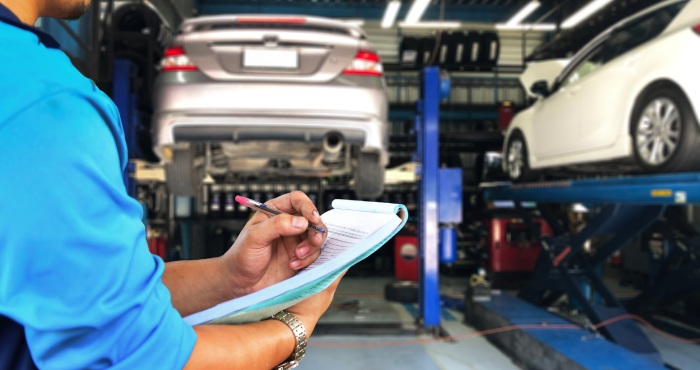
1. Repair orders and days out of service
- Request complete, itemized repair orders that clearly describe the problem, parts replaced, diagnostics performed, and technician findings.
- Keep a simple log of all days the vehicle is out of service, including tows and parts delays, since many lemon laws trigger at 30 or more cumulative days.
- Verify that repair dates and odometer readings are consistent and increase logically across all service visits.
a. Keeping Track of Timeline and Location
Make sure to note the address of the repair shop, verify that it’s an authorized warranty service provider, and align each service visit with the relevant warranty dates.
b. Questions for the Service Writer and Technician
Ask for all diagnostic reports, any freeze-frame data, details of applicable TSBs, and notes that clarify if the repair successfully addressed the problem.
2. Expert inspections and TSBs
Seek an impartial expert assessment to verify the defect, particularly if the manufacturer challenges the issues of safety or cause. Collect pertinent Technical Service Bulletins and recall announcements to demonstrate the manufacturer’s prior awareness and established repair practices. For motor homes, specify whether the issue pertains to the chassis, the living area, or both, and determine if arbitration is needed prior to any potential buyback.
3. Special evidence for eligibility
Keep all manufacturer notifications received via certified mail, along with green card receipts and delivery confirmations. Preserve any communication with the dealer involved in the sale or lease, particularly discussions regarding coordinated repairs or replacement commitments. Be sure that the vehicle’s VIN is included on all repair documentation, photographs, and expert evaluations to ensure clear and accurate vehicle-specific records.

Non-court options and appeals after denial
1. Non-court options: manufacturer programs, BBB AUTO LINE, state arbitration, and mediation
Many programs must be used before litigation. Review your warranty manual for any mandatory arbitration or dispute resolution provisions.
- Manufacturer Policies: Certain manufacturers mandate that disputes be resolved through in-house arbitration or mediation to prevent future court rejections.
- BBB AUTO LINE: The BBB AUTO LINE addresses vehicle conflicts by offering repurchase or repair solutions, provided there is thorough documentation.
- State Programs: Arbitration managed by the state, such as that under the Georgia Lemon Law, requires strict adherence to designated procedures and forms.
- Mediation: Mediation can assist in resolving conflicts regarding final repair efforts or periods when the vehicle is not operational.
a. Filing tips for alternative programs
- Include complete repair order documentation, TSBs, expert reports, and a chronology of repair attempts.
- Attach the manufacturer notification, certified mail receipts, and proof of delivery.
- Identify your remedy request clearly—repurchase award, replacement, or adequate repair—with all costs and incidental damages supported by itemized statements.
2. Reconsideration and appeals: curing deficiencies, final repair attempts, and demand letters
If your lemon law claim was denied, use reconsideration or appeal options to fix shortcomings.
- Addressing deficiencies: Supply additional documentation, rectify any evidence issues, and perform a final authorized repair to satisfy the requirements for repair attempts.
- Formal request letters: Dispatch a certified demand letter to senior officials at the manufacturer, outlining the defects, history of repairs, duration of downtime, and the remedies being sought.
- Manufacturer feedback: Monitor the results of the final repair and keep all newly obtained repair receipts.
- Litigation readiness: If alternative solutions do not succeed, seek legal counsel and keep an orderly, VIN-labeled file containing all repair and warranty documentation.

For personalized advice on legal strategy, timelines, and available remedies, it’s best to consult an experienced Lemon Law lawyer who regularly handles these claims. An attorney can evaluate whether your facts support a repurchase award or replacement, ensure proper notice to the manufacturer, and prepare filings that satisfy the lemon law process in your jurisdiction.
Working With Counsel and Avoiding Pitfalls: Fees, Vetting, Deadlines, and Ongoing Repairs
Contingency models are common in this space, often paired with statutory fee-shifting. Discuss whether your lawyer advances costs, how fee recovery works if you accept a cash-and-keep settlement, and what happens if the court awards less than a pre-suit offer.
To vet counsel, ask about State-Operated Arbitration experience, trial history in lemon law claims, and how the firm manages repair attempt documentation and expert testimony for intermittent problem cases.If you need a starting point, San Diego Lemon Law lawyers can be a helpful resource, and you can also explore strategies to maximize your lemon law claim; for direct representation, consult a Lemon law attorney to review your documentation and forum options.

Deadlines and pitfalls to avoid:
- Statutes of Limitation: Deadlines for filing vary by regulations like the Lemon Law, Magnuson-Moss, and UDAP — it’s essential to verify the timing with a lawyer.
- Mileage Offsets: Retain records of early repairs to accurately reflect mileage adjustments in buyback calculations.
- Settlement Pitfalls: Steer clear of agreements that relinquish future claims, personal injury rights, or impose fees; make sure incidental damages are accounted for.
- Ongoing Repairs: Always utilize authorized or qualified repair centers and keep detailed records of all repair attempts, including the final one if necessary.
- Notices: Notify the manufacturer via certified or overnight mail and maintain proof of sending. Address the notifications to the GM, President, or CEO as specified.
Practical documentation checklist to strengthen the lemon law process:
- Vehicle identification number (VIN) and odometer reading on every repair order.
- Complete repair history with repair dates, repair facility location, and repair completion status.
- Repair order receipts and itemized statements for replacement parts and labor.
- Written problem description matching your symptoms, including intermittent problem notes.
- Copies of warranty materials, owner’s manual references, and any notice to manufacturer.
- Photos or videos, diagnostic test printouts, and any service manager correspondence.

By following this structured approach, you reinforce the burden of proof, demonstrate a reasonable number of repair attempts, and position your lemon law claim for success in state-operated arbitration, private arbitration, or a court proceeding.
Key Takeaways
- Winning a lemon law claim requires meticulous documentation of every repair attempt, days out of service, and timely notices within the lemon law rights period.
- Choose the right forum—state-operated arbitration, small claims, or civil court—based on damages, complexity, and arbitration requirements.
- Remedies include repurchase awards, replacement or adjustment, and cash-and-keep, plus incidental damages and fee-shifting for attorney’s fees.
- Use an authorized dealer or approved repair facility and keep a complete repair history with repair orders, diagnostic test results, and itemized statements.
- Consult experienced counsel early to navigate deadlines, mileage offsets, settlement terms, and the overall lemon law process.