
Leaving the dealership in a brand-new car is meant to be thrilling; however, if that car fails shortly afterward, the joy can swiftly transform into frustration and bewilderment. Whether it’s an unforeseen mechanical issue or a warning light that appears prematurely, this scenario brings forth immediate concerns about your rights, warranty provisions, and how to proceed. Grasping what to do during those crucial initial moments can help you maintain composure, safeguard your investment, and respond promptly.
Immediate Action and Core Protections When the Unexpected Happens
Step one: safety, documentation, and rapid contact
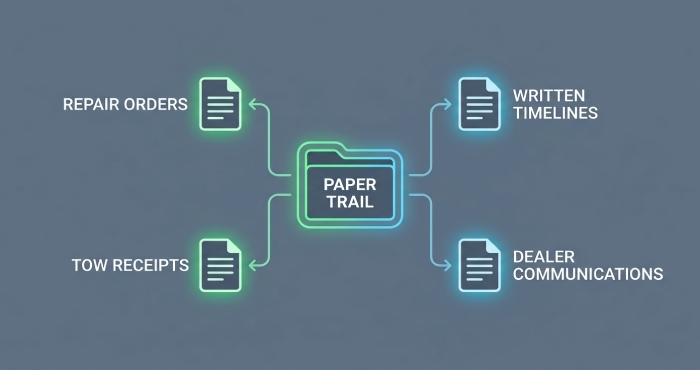
If your vehicle fails shortly after purchase—or even minutes after driving off the lot—prioritize safety above all else. Pull over to a secure location, switch on your hazard lights, and arrange for a tow if necessary. Once safe, begin documenting everything thoroughly: take photos of dashboard warning lights, note the mileage, capture any visible leaks, and keep records of calls, messages, and receipts. Write a clear timeline of events, including when the issue began and any unusual sounds, smells, or performance problems you noticed. This detailed documentation can be crucial when filing a lemon law claim or resolving disputes with the dealership or manufacturer.
Immediately get in touch with the dealership, and for new cars, reach out to the manufacturer’s roadside assistance. Confirm the repair process, where the vehicle will be towed, and whether a loaner or rental car is included. If you’ve purchased a used car, check if the dealer will manage the repairs or if you need to go to an independent shop. Keep all documents organized, and explore resources such as YouTube, Facebook, Quora, and JustAnswer to gain insights on similar situations and next steps.
Your protections: warranties, lemon laws, and implied warranties
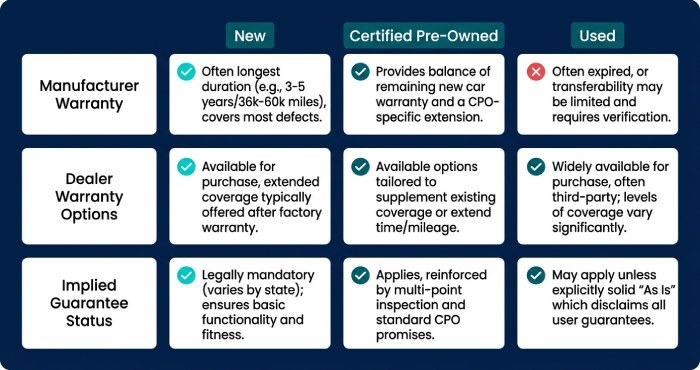
Your remedies depend on vehicle type and state law. For a new vehicle, the manufacturer’s car warranty generally covers defects, parts, and labor for a set term; some brands also include roadside/loaner benefits as part of vehicle coverage. Certified pre-owned (CPO) programs add limited warranties on top of the original coverage. A dealer warranty on a used car may cover specific systems for a short period or mileage window; read the booklet and the buyer’s guide posted on the window at sale.
- New/CPO: Contact the manufacturer and dealership jointly. Ask in writing for tow/loaner approval, diagnosis timelines, and whether replacement parts are in stock. Confirm if extended coverage applies.
- Used car: Check whether your sale was “as is” or came with a dealer warranty under your state law. Some states impose an implied warranty of merchantability even when the paper says “as is,” especially when a car breaks down immediately after driving off the lot. If you were buying a used car with a known disclosure (e.g., prior accident), the scope of coverage may differ.
Lemon law protections are often strongest for new vehicles, but many states also offer coverage for used cars under specific conditions. If repeated repair attempts don’t fix the issue or your vehicle spends excessive time out of service, you may qualify for relief such as a refund or replacement. Keep detailed records of every visit—repair orders should clearly note symptoms, diagnoses, and service dates. If the dealership delays or refuses to cooperate, escalate the matter quickly and consult experienced lemon law lawyers to help enforce your rights and guide you through complaints or legal action.
Implied warranties and state-law nuances
- Implied warranty: Even on a used car, many states imply that a vehicle is fit for ordinary driving unless conspicuously disclaimed. When a car breaks down just after purchase, that fitness is in doubt.
- State law differences: In New York, for example, a statutory used car lemon law provides minimum coverage on certain components for defined mileage/time. Always confirm your state law, especially if you’re evaluating returning a car or seeking a refund.
- Evidence: Maintain proof of parts and labor, tow invoices, and any communications authorizing shop repair. This record helps in arbitration, small claims court, or any later attempt to file a lawsuit.
Working With the Dealership—and When to Push Further
Diagnosis and timelines: Expect a written intake, a preliminary diagnosis window, and authorization steps. Ask for ETAs on replacement parts and whether the manufacturer will prioritize your case because the car breaks down after driving off the lot. If the service department can’t replicate the issue, request a second opinion at another authorized facility. The auto industry recognizes “repeat repair attempts” as a metric; each visit should generate a repair order.
Tow/loaner and costs: Clarify whether the car warranty, dealer warranty, or extended coverage pays for towing, diagnostics, and a loaner. If you advanced costs, ask for reimbursement in writing. Coordinate with car insurance only if a covered peril (e.g., roadside assistance rider) helps defray expenses.
Records matter: Each time the car breaks down, make sure your service invoice captures exact symptoms and mileage. If you experienced transmission failure after driving off the lot and again following shop repair, a clean paper trail shows a recurring defect. That trail is vital if you later file a complaint with your state department of motor vehicles or pursue small claims court.
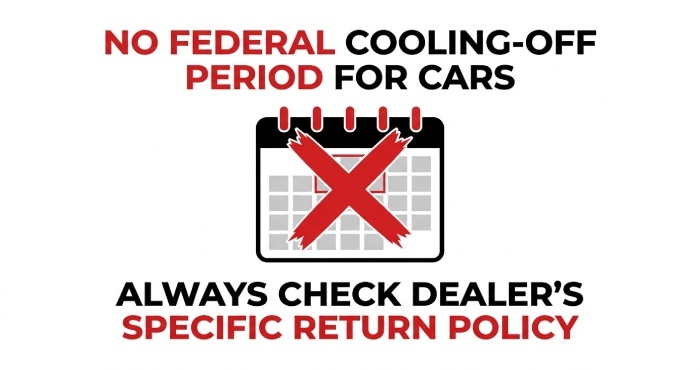
Returns and replacements—what’s realistic: Many buyers assume there’s a federal “cooling-off” period for cars. There is not. The cooling-off myth trips up consumers every year.
- Return policy: Ask the dealership to share its written return policy or exchange program. Some large retailers offer a short exchange window, but many independent lots do not. If a return policy exists, comply strictly with the mileage and day limits.
- Replacement or buyback: Manufacturer lemon law buybacks depend on state law thresholds—days out of service or number of failed repair attempts. If your case qualifies, you may be eligible for a replacement vehicle or refund (minus a usage offset tied to mileage). If you purchased from a dealer with a posted return policy, get any agreement to unwind the deal in writing, including how your down payment, taxes, and trade equity will be handled.
Money and escalation: Protect your finances while you pursue remedies.
- Towing/roadside: Track every tow and out-of-pocket cost.
- Insurance and financing: Notify your lender if the car is in extended shop repair; continue your car payment to avoid credit damage while you pursue remedies. Keep car insurance active to prevent coverage gaps.
- Complaints and investigation: If the dealership stalls, file a complaint with the manufacturer, your attorney general, and your state department of motor vehicles. Agencies can open an investigation or prompt a response from the dealer. Be specific: “Vehicle stalled twice after driving off the lot; transmission failure suspected; three repair attempts; proof of parts and labor attached.”
- Arbitration: Many warranties require or offer arbitration before court. Use your documented repair history to seek a buyback or replacement. Resources on Avvo, Quora, and JustAnswer can help you prepare questions for arbitration or decide when to escalate.
- Court options: You can use small claims court to pursue reimbursement for towing, rental, and other losses when a dealership refuses to honor a car warranty or its return policy. Small claims court is often efficient for amounts under your state’s limit; it requires filing, serving court papers, and presenting evidence. For bigger claims (diminished value, rescission), you may need to file a lawsuit in a higher court; consult counsel before serving court papers.
- Legal counsel: If negotiations fail, speaking with a dedicated lemon law attorney can clarify strategy, including whether your facts meet lemon law thresholds or whether small claims court is smarter.
Practical examples and signals to watch
- Early failure scenarios: A Jeep Cherokee Trailhawk that loses power just after purchase, or a Chrysler Pacifica with immediate stalling after driving off the lot, signals potential nonconformities. Watch for warning lights, harsh shifts, and intermittent no-starts.
- Dealer behavior: An unhelpful dealership that refuses to inspect, denies tow coverage, or won’t provide repair orders undermines your customer rights. Escalate promptly and file a complaint in writing with all attachments.
- Costs and equity: Clarify how a return policy or buyback impacts your down payment, trade payoff, and financing unwind. If returning a car is allowed, get the agreement signed by a manager; note what happens to taxes and fees.
- Community and education: Consumer advocates and commentators—including Steve Young, Mitch Horowitz, Ira Chester, Robert Brennan, and Magnus Ringblom—regularly analyze dealer responsibility and customer rights across the auto industry. Regional nuances (like New York used car lemon law rules) matter, so match your approach to your state law.
- Staying informed: Long-form explainers and case studies on YouTube—Scotty Kilmer, Lehto’s Law, CarEdge, CCV TV, Charleston Car Videos, and The Car Guy Chronicles With Zac—can help you anticipate how manufacturers respond when a car breaks down just after purchase and prepare to file a complaint effectively.
Bottom line: When your car breaks down shortly after leaving the lot, move quickly—document everything and rely on your car warranty or dealer warranty while pushing for prompt diagnostics. If the dealership refuses to honor its return policy or delays repairs, escalate the issue through arbitration, regulatory complaints, and, if necessary, small claims court. You can also consult San Diego lemon law lawyers to help enforce your rights under lemon law or implied warranty protections.