
For individuals purchasing cars that have defects, an important consideration is determining when standard repairs cross over into a lemon law claim under the Song-Beverly Consumer Warranty Act. If a manufacturer or authorized dealer fails to rectify a significant warranty issue after a reasonable number of attempts during the warranty period, California’s lemon law may grant the owner the right to a refund, a replacement vehicle, or other forms of compensation.
This legal framework is designed to safeguard consumers rather than penalize car manufacturers. However, when a vehicle has ongoing serious defects or is frequently unavailable for use particularly concerning safety issues the law acknowledges the owner’s difficulties and offers a clear legal remedy.
The Basics: Song-Beverly Coverage, Who Qualifies, and What Counts as a Defect
The California Lemon Law applies to vehicles sold or leased with a vehicle warranty that promises the manufacturer will repair defects that arise within a defined time or mileage. Coverage typically includes:
- New vehicles: Buying a new car with a manufacturer warranty is the classic scenario. If the car becomes a defective vehicle due to nonconformities covered by the vehicle warranty and the maker can’t fix it after a reasonable number of attempts, remedies apply.
- Used vehicles: A used vehicle can qualify if it’s sold with a remaining manufacturer warranty or a certified pre-owned warranty. Extended warranty service contracts can help prove repeated repair opportunities, though they are distinct from the original warranty.
- Substantial defect: The issue must substantially impair the use, value, or safety of the motor vehicle. Intermittent, software-related, or safety-critical problems can meet this standard if well documented.
California’s consumer protections cover both buying a new car and buying a used car when warranty coverage exists and the defect is not caused by abuse, unauthorized modifications, or neglect. The California Department of Consumer Affairs provides guidance on the law to reinforce consumer rights and help the public understand when to file a complaint or escalate issues.
Policy and court context
- California courts routinely interpret “reasonable repair attempts,” and a California Supreme Court ruling can influence how lower courts view evidence in lemon law cases.
- Advocacy and oversight matter. Consumers for Auto Reliability and Safety, led by Rosemary Shahan, has engaged the California Legislature and the California Senate on proposals such as Assembly Bill 1755. Reporting by CalMatters, including work by Mariana Alvarado Rodriguez, has covered how legislation may affect car buyer remedies.
- Policymakers such as Governor Gavin Newsom and stakeholders including U.S. automakers like General Motors participate in discussions about enforcement and compliance. County-level trends in Los Angeles County and Fresno County also reflect where many civil filings occur.
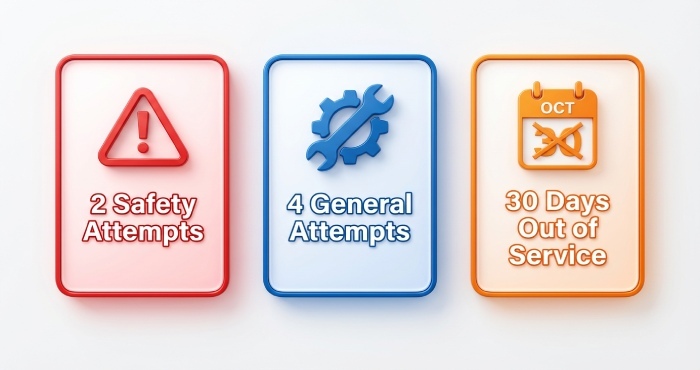
The Legal Yardsticks: 2 Safety Attempts, 4 Attempts, or 30+ Days Out of Service
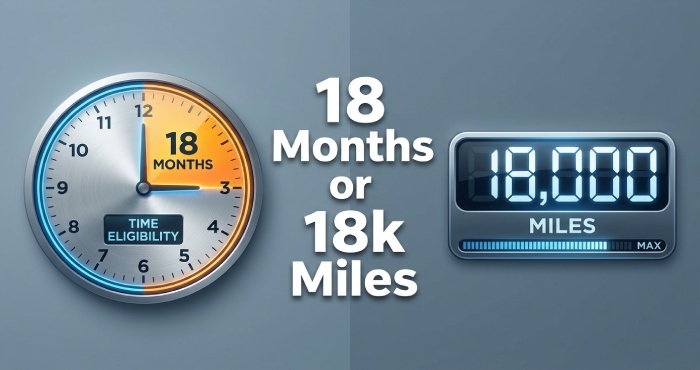
California’s “lemon law presumption” offers a practical yardstick within the first 18 months or 18,000 miles from delivery, whichever comes first. Although not the only way to prove your case, it presumes a reasonable number of attempts when any of the following occur:
- Two or more attempts for a defect that is likely to cause death or serious bodily injury if the vehicle is driven.
- Four or more attempts for the same non-safety defect.
- The vehicle is out of service for repair of warranty defects for a cumulative total of more than 30 days.
These bright-line rules are guideposts, not absolute limits. A car buyer can still win outside the 18 months/18,000 miles window by proving persistent nonconformities and adequate repair opportunities. Conversely, if the defect is extraordinarily dangerous, fewer attempts may be enough even without the presumption. In all scenarios, the centerpiece is still the reasonable number of attempts standard.
Building Your Record: Repair Orders, Mileage, Shops, and Notice to the Manufacturer
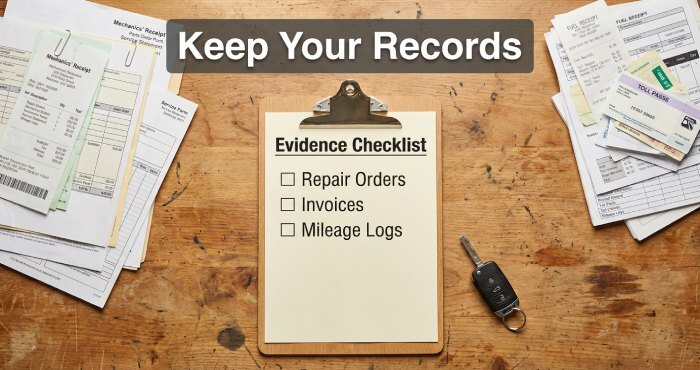
Success in lemon law cases hinges on meticulous documentation. To prove that the manufacturer had a fair chance to fix a defective vehicle, keep:
- Repair orders and invoices: Every visit should list the complaint, odometer mileage, dates in and out, and the dealer’s diagnosis and work performed. If a shop writes “no trouble found,” ask that your exact symptoms and conditions be recorded.
- Mileage logs and timelines: Track when the defect appears, under what conditions, and how often. Note each day the vehicle is unavailable, even if the dealer is waiting on parts.
- Authorized repairs: Warranty claims generally require the dealer or authorized service center to perform car repairs. Independent shops may identify problems, but warranty coverage typically requires repair attempts by an authorized dealer to count.
- Manufacturer notice: Some vehicle warranty booklets require direct notice to the manufacturer or an opportunity for a factory field technician to evaluate the vehicle. Follow the written process in your owner’s materials.
If you pursue mediation, arbitration, or litigation, this paper trail becomes critical evidence. The Department of Consumer Affairs and the California Department of Consumer Affairs both emphasize recordkeeping as a best practice for consumer protections.
Tricky Scenarios: Intermittent Problems, Software Updates, “No Trouble Found,” and Refused Repairs
Modern vehicles add nuances to the reasonable repair attempts analysis:
- Intermittent defects: Problems that occur sporadically (stalling, sensor faults, brake warnings) still count if you provide consistent, credible reports. Video clips, dash photos, and telematics reports help.
- Software updates: Over-the-air or dealer-installed updates that fail to cure the condition count as repair attempts. If each update temporarily masks a defect that returns, that’s evidence the new car or used vehicle remains nonconforming.
- “No trouble found”: If the dealer can’t duplicate the complaint, insist that your symptoms be clearly recorded. Multiple “no trouble found” visits can still satisfy the reasonable number of attempts standard.
- Refused repairs: If the dealer declines to proceed or claims the concern is “normal,” request a second opinion within the authorized network and notify the manufacturer. A refusal does not erase your prior attempts.
Practical tip on alternative transport
- Ask about a loaner vehicle or rental rebate when your car is out of service 30+ days cumulatively. Keep receipts to support a refund or incidental damages.
From Threshold to Remedy: Buyback vs. Replacement, Penalties, and Next Steps
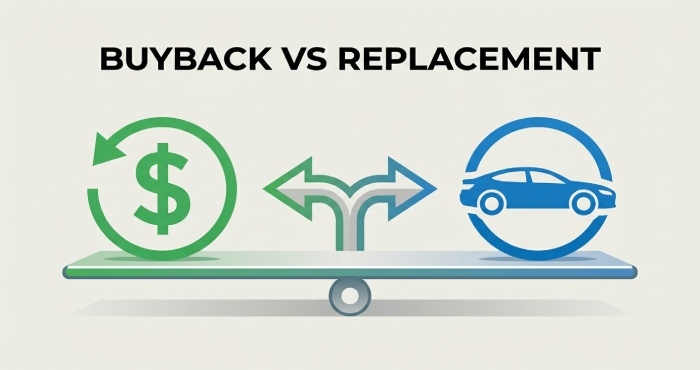
Once the threshold is met, the California Lemon Law offers powerful consumer remedies. If the manufacturer cannot conform the vehicle after a reasonable number of attempts, it must either refund the purchase price or replace the vehicle.
- Buyback: A refund includes the refund purchase price (less a statutory mileage offset for use before the first repair attempt), plus taxes, registration, and certain incidental costs.
- Replacement: The manufacturer may offer to replace the vehicle with a substantially identical model. You are not required to accept a replacement if you prefer a refund.
- Civil penalties: If evidence shows willful violation such as stonewalling, ignoring clear defects, or bad-faith delays civil penalties up to two times actual damages may be available in litigation.
- Timeframes: Remedies should be offered promptly once liability is clear. Unreasonable delays can support additional claims in California courts, including requests for civil filings alleging unfair practices.
Dispute resolution paths vary:
- Informal programs and mediation may resolve straightforward warranty claims.
- Arbitration programs exist, but consider the pros and cons; while faster, they may limit discovery that helps prove safety defects.
- Litigation in California courts is sometimes necessary to secure full relief, especially in complex lemon law cases. A Supreme Court ruling can reshape strategies, so experienced consumer attorneys monitor appellate developments closely.
Practical action plan for car buyers:
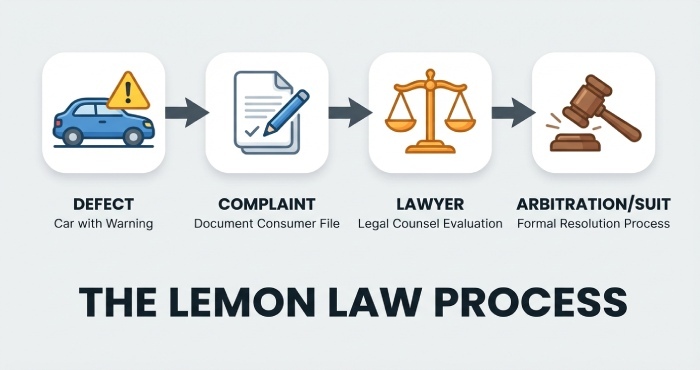
- Submit a written complaint to the manufacturer once repeat defects occur.
- Keep all service contracts, extended warranty documents, and communications with the dealer together with your repair orders.
- Evaluate whether you want to replace or seek a refund based on your usage needs.
- Consider counsel. Speaking with Lemon law lawyers early can streamline the lemon law process and help assess whether to negotiate, pursue arbitration, or file suit.
- If you’re in Southern California, reputable resources such as San Diego lemon law lawyers can advise on local practices in venues like Los Angeles County and Fresno County.
Industry and legislative landscape
- Car companies and policymakers continue to refine the framework through legislation and enforcement. For example, debate around Assembly Bill 1755 in the California Legislature has drawn input from stakeholders and reports from CalMatters.
- Public officials, including Gavin Newsom, and judicial bodies like the California Supreme Court influence how consumer protections are implemented.
- Manufacturers, including U.S. automakers such as General Motors, engage with regulators and consumers on recurring defect patterns and recall strategies.
Choosing representation:
- Complex cases with intermittent failures or advanced software issues benefit from a Top Lemon Law attorney who understands technical diagnostics and how to prove a reasonable number of attempts.
- Skilled counsel can press for a refund, replace outcomes, or negotiate a favorable settlement with appropriate rebate or incidental damages, preserving your consumer rights while minimizing disruption.
In short, when a new car or used vehicle shows persistent warranty defects and the manufacturer cannot fix them after fair opportunities, the California Lemon Law’s consumer protections are designed to deliver a timely remedy whether that is buyback, replacement, or a negotiated resolution that makes the car buyer whole.