Being burdened with a lemon vehicle can be both inconvenient and costly. Whether it be electrical malfunctions, faulty turning signals, or any other number of defects, having one can pose serious safety issues for drivers and passengers as well as those around you on the road.
If you have recently had your vehicle break down on the side of the road, you’re likely wondering about what’s next for it. You may also be wondering whether your vehicle meets the criteria of being a ‘lemon’ and may need to be taken to court. Lemon laws protect consumers against having undependable vehicles that are bought or leased by them. In this article, our lemon law lawyer San Diego tells you if your lemon law case will reach court or get resolved before that.
What is considered a lemon vehicle?
When you buy a used car from a licensed dealership, the vehicle typically comes with a warranty against defects. The California Lemon Law does not apply when it comes to new vehicles or to cars purchased from private owners. In order for you to take advantage of your rights under the California Lemon Law, you must be able to prove that the issues stem from a defect that occurred during manufacturing and therefore qualify as manufacturer’s defects.
Most states have lemon laws allowing you to return a defective car to the dealership. Before making the call, know that four trip attempts usually qualifies your car as a lemon under California’s Lemon Law. However, if there is a serious safety problem (the make of your car could get you killed) then only two replacement attempts need to be made. If you’ve been without your car for thirty days or more than it could also be considered a lemon in many states.
Arbitration for the case to be resolved?
Manufacturers can encourage you to go with arbitration as it will help them solve the matter more quickly, but they are not always doing what is best for the consumer. If your claim is strong enough, it might be better to take legal action against the manufacturer rather than arbitrate, in which case it may be necessary to consider litigation. Lemon law arbitration can be an unfavorable option for consumers. Unlike litigation, arbitration doesn’t permit discovery which can help prove your claim. Additionally, a court will not overturn an arbitration decision if it did not rule in your favor.
If it turns out that you are able to resolve your case outside of arbitration, then you’ll typically be entitled to more money than you would get just from arbitration. A case that goes in front of a judge or jury may entitle you to recover actual damages and/or punitive damages, but when it comes to arbitration, only may be eligible for all compensatory and incidental damages.
How does a case go to court?
If the manufacturer of your defective vehicle is unwilling to replace or repurchase it, you may have no other option but to take your lemon law case to court. The success of your case depends on how strong your case is and what the manufacturer’s viewpoint is on the case. Often, these are the types of issues that are frequently litigated in lemon law court cases. The manufacturer will deny the case by bringing up reasons such as:
Reasonable repair opportunities.
The defect was not covered under warranty.
The defect arose because of unreasonable use of the vehicle.
You should file your lemon case as soon as possible as there is a time limit to filing for the lemon law. If you fail to file for the lemon law within the time limit, your case won’t be accepted into court.
You can be entitled to recovery, including:
Towing costs,
hotel costs,
travel costs,
attorney’s fees,
misc court costs,
rental vehicle expenses
and other expenses related to the vehicle
How can a lemon law attorney in San Diego help?
Lemon law cases can be very challenging to deal with. This is why it’s important to have a knowledgeable lemon law attorney San Diego on your side who can help you prove that there was indeed an error such as faulty parts, defects, or both present during the manufacturing of your car which has rendered it useless. An attorney will help you decide whether litigation or negotiation with the manufacturer would be best suited depending on what you hope to achieve within the case.
The McMillan Law Group has helped protect the rights of consumers against defective and dangerous products. We understand the importance of each individual case, and take pride in helping our clients. If you or a loved one has been injured by a defective or dangerous product, or you have a potential product liability case, contact us today.
The California lemon law is a law that allows a consumer to get compensation for defective motor vehicles when a manufacturer fails to repair the problem within a certain period of time. The Lemon Law provides specific remedies for consumers, including replacement of the defective vehicle, repair of the defective vehicle, or refund of the purchase price. Our California lemon lawyer helps you avoid things that void your warranty.
A manufacturer has certain rules that they must follow when it comes to the warranty, so is the consumer. If you do something that is a breach of warranty, you may not be able to bring a lemon law claim if things go sideways. In these cases, you could end up spending a substantial amount of money on repairs. It’s important to be aware of what can void the warranty and what is actually covered so you can know what your legal rights are.
What Are Car Warranties?
When you purchase a new vehicle from a dealer, the car will come with a warranty that is either given by the manufacturer or offered by the dealership itself. These warranties are usually definable in years and/or miles and may differ depending on which one you choose to go with. These warranties usually come for 3 years or 36,000 miles, depending on what comes first. You can also purchase additional protection for your car in order to give yourself peace of mind against any unforeseen situations later down the line. You may also be able to purchase an extension with your used vehicle as well.
Warranties are guarantees from your provider. If something is covered, the warranty will cover most of the costs of repairs. Every company you purchase a product from should offer some form of warranty so it’s important to remember to do your due diligence and learn what makes your warranty special.
What is Covered In A Car Warranty?
In many cases, car warranties are extended due to defects or problems while the vehicle is being driven. There are a few different ways that the warranty can be written up. Car warranties typically only cover the vehicle’s internal or mechanical parts and the tires, but do not include bodywork.
Bumper-to-bumper warranties tend to cover everything from the engine to the air conditioning system.
Another common car warranty is a “powertrain” warranty. Powertrain warranties tend to be limited in scope and often only cover engine and transmission issues.
What Is Not Covered By The Car Warranty?
When a manufacturer provides you with a warranty on their vehicle, it’s important to know that there are rules attached to how the warranty is to be used in the event of an accident. It is possible for the manufacturer to exclude certain repairs from your warranty or even void the warranty entirely. These are some things which are covered under warranty:
Damage incurred due to performing unlawful activities such as car racing, off road driving, driving recklessly.
Not keeping your car maintained and not servicing your vehicle on time will result in your warranty being void.
Natural disasters that affect the vehicle such as: flood, fire, earthquakes are usually not covered under warranty.
Tampering with the odometer to rollback is illegal and will result in a voided warranty.
Adding aftermarket parts on your car will void your car’s warranty.
It’s always best to read your vehicle manufacturer’s warranty agreement exactly to ascertain what their policies are regarding product defects. While these terms and conditions are usually hidden in a small font at the back of your owner’s manual, they should clearly state specifically what is not guaranteed.
What Happens If My Warranty Is Void?
First of all, if your car warranty expires, at that point you won’t be able to enjoy its protections. This is especially important when it comes to lemon law cases. If your warranty has already expired, you may not be eligible to file a lemon law claim, even if you otherwise would have qualified. Another advantage in having an active car warranty is a reduction in the burden of having to cover the costs from repairing vehicle breakdowns or malfunctions without help from car manufacturers or mechanics.
How to Protect Your Car Warranty?
The best way to get the most out of your car warranty is to properly maintain it by sticking to your service schedule and visiting your dealership at least twice a year. You should also keep evidence of all the work done and repairs on your vehicle including small jobs like those of an oil change, so that you can handle Lemon law cases more easily.
Conclusion
A car warranty is a legally binding contract that covers defects in your vehicle, so it can be an important tool if something goes wrong. It’s important to keep the bill of sale and any records of maintenance you’ve performed on your car. If something happens, you can try to return your car to the dealership and get it fixed, or you can work with a lemon law lawyer San Diego to see if you can get a replacement or a refund. The McMillan Law Group has the experience and resources to help you get the compensation you deserve.
It is a fire hazard when the Chevrolet Bolt EV car battery overheats and catches fire. This can happen if the car battery is allowed to overheat while the vehicle is charging or in use. If the battery overheats and catches fire, there is a possibility of a fire or explosion that can cause serious injury to the people inside the vehicle. There is also a possibility of your property damage and damage to nearby property. Know all about the GM chevy bolt battery recall from our lemon law lawyer San Diego.
Why is the Chevy Bolt being recalled?
The Bolt has been on sale since last year, but the manufacturer is still struggling with glitches and issues. The Chevy Bolt vehicles suffered a major setback when GM recalled all of the cars it had sold to date after discovering faults in their battery cells. Specifically, a torn anode tab and folded separator could lead to increased fire risks.
However, GM has taken action to resolve this problem by instructing owners not to charge their vehicles beyond 90% and ensuring they park outside overnight once they have been charged in order to mitigate any additional fire-related risks but unfortunately these actions did not appear to be effective. On a regular basis, there were reports of the car’s battery catching fire, and the National Highway Traffic Safety Administration has issued a recall for the problem.
GM’s advice to Chevy owners before the software update
If a customer’s electric car states that it is set to charge all the way to 100 percent overnight then they must have their vehicle set to only charge up to 90% so as not to start catching fire like previous Chevy vehicles; instructions on how you can do this may be found on Chevy’s recall page. If you already have the latest software update then you will be at no risk of catching fire.
Charge the vehicle more frequently and try not to let the battery go below 70 miles (113 kilometers) remaining range.
Do not charge the vehicle indoors overnight and park the vehicle outside immediately after charging the vehicle.
The total recall now includes over 141,000 of its all-electric vehicles over six model years, a problem that has frustrated GM. GM said it will look at ways to improve the battery software, and early next year will offer to install kits with new settings at no cost to the owner. More than a dozen fires in Bolt EVs have been publicly identified. Till date, no injuries or deaths have been added to the problem.
Which vehicles are being recalled?
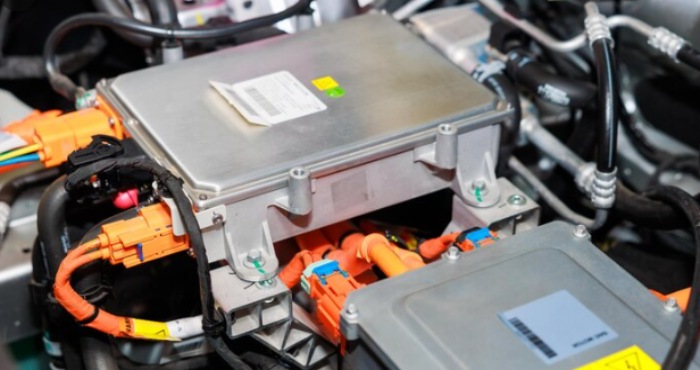
GM announced replacement of all modules in 2017-2019 Bolt EVs and defective modules in 2020-2022 Bolt EV/EUVs. The electric motors are separate from the battery pack and therefore don’t need to be replaced, however other parts including the vehicle’s case, electronics, and wiring will be upgraded as part of this process. These upgrades will also come with an eight-year limited warranty which will apply to the entire EV promising more peace of mind for drivers.
There are around 141,000 Chevrolet Bolt and Bolt EUV EVs being recalled from the year 2017 and 2022 models. These models will be fixed with a software and a hardware update and it will be done free of cost by the manufacturer.
Is your vehicle a lemon because of a defective battery?
If your Chevy Bolt EV or EUV is among those affected by the defective battery issue, it’s important not to panic. There are criteria that must be satisfied in order to consider your EV a lemon under California state law:
The number of repair attempts must exceed a certain amount;
The vehicle must be out of service for at least 30 days; and
During this time, there must be no reasonable assurance that the problems will ever go away
In the state of California, a vehicle is considered to be a lemon if the defect already presents itself within 18 months of the vehicle’s delivery or if it has been driven for at least 18,000 miles. It’s essential to keep in mind that there is a statute of limitations by which one is required to file lawsuits regarding lemon law claims with the California Department of Consumer Affairs after the defect was first discovered.
Wrapping Up
The Chevy Bolt is a very popular car and although there have been some issues with the battery, the safety and the quality of the vehicle remain a high priority for GM. If you believe your Chevy Bolt may be unsafe, contact our San Diego Lemon Law lawyer from McMillan Law Group today to find out if you are entitled to compensation.
When buying a used car, many people believe that because the car is used, the problems that they will run into will be minor. However, that is far from the truth. There are actually used cars out there that have major problems that the seller either does not know about or is not disclosing and will sell to you and hope you don’t find out until it is too late. This post by our lemon lawyer San Diego CA will give you six tips to help you stay protected when buying a used car. (more…)
With vehicles getting more and more sophisticated, the likelihood of recalls goes up. With the increase in the number of vehicles on the road, and the increased variations in these vehicles, it is no surprise that you might end up with a lemon. There are a variety of reasons for the high number of recalls that have happened over the years, from new technology to safety features as well as some drivers who don’t follow directions or care about their own safety. This post by our lemon law attorney San Diego gives you the top ten vehicle manufacturers with the highest number of recalls.
Why are vehicles recalled?
When a manufacturer discovers an ongoing problem or defect with their vehicles, they will issue a recall and notify owners to repair the component. In most cases this entails notifying you in advance so that your vehicle is safe from potential hazards during any necessary servicing procedure. Recalls are important for ensuring the safety of your car. You can keep up with current recalls by checking them online or contacting a manufacturer directly, but make sure you do so quickly.
How to check a recall and how can it help you?
If your car has a recall, manufacturers or dealers will notify their customers as they are required by law. If you have moved to a new place recently or purchased a used car, you would do well to take a proactive approach in keeping up with recalls by checking out the National Highway Traffic Safety Administration Database (NHTSA). Issues with your car can arise from time to time, and it is worth checking to see if a recall is associated with your vehicle. If it is, one should contact the manufacturer of the affected product or automaker for repair on the recalled equipment or faulty parts.
Often buyers are looking to purchase from manufacturers they know produce vehicles that are both reliable and safe. A buyer may even want to avoid models that have had recall problems in the past because of faulty manufacturing methods.
Manufacturers with the highest recalls
The number of recalls for a given vehicle model is a hot topic in the automotive industry. Many people want to know which manufacturers have the largest number of recalls, and many of those people assume that more recalls mean a greater number of problems. While it’s true that any recall is a sign of a problem, the number of recalls doesn’t always correlate to the number of problems. The main reasons for this are:
The number of vehicles produced.
The amount of time vehicles remain on the road and subject to recall.
The effectiveness of the recall and the number of vehicles that are fixed.
The severity of the problem.
According to NHTSA, these are the manufacturers with the highest recall rates in the US:
General Motors, LLC
Ford Motor Company
Chrysler (FCA US, LLC)
Volkswagen Group of America, Inc.
BMW of North America, LLC
Forest River, Inc.
Daimler Trucks North America, LLC
Honda (American Honda Motor Co.)
PACCAR Incorporated
Mercedes-Benz USA, LLC
Is your vehicle a lemon if it has a recall?
Not all recalls are bad, but they can be a red flag for consumers who are looking for the best vehicle for their money. If you are in the market for a new vehicle, you should check to see if your car has a recall. By law, manufacturers must give you information about whether your car has a recall and what the recall is for. You can also check the National Highway Traffic Safety Administration (NHTSA) for information about recalls. If you find that your vehicle has a recall, you should contact your dealer as soon as possible to make arrangements to get it repaired.
If you think that you might have a lemon car, you should keep careful and accurate records of your interactions with the manufacturer and any repair work should be done to the car. You should also keep track of other related expenses should there be any.
Wrapping Up
If you have bought a vehicle that has experienced a recall, you may be eligible for monetary compensation. A lemon law attorney can help determine if you are eligible for compensation under the lemon law. Our lemon law attorney San Diego is experienced in helping clients just like you get the compensation you deserve. If you would like to discuss your legal options with an experienced lemon law attorney, you can contact McMillan Law Group. We are here to help.
The California Lemon Law is a law that provides protection for buyers of new and used vehicles as well as those who buy or lease them. The law also protects consumers from buying defective electric vehicles. In this blog post, we will discuss the potential benefits of the lemon laws when it comes to defective electric vehicles with the help of our California lemon law attorney.
In order to qualify as a lemon under California’s Lemon Law, a vehicle must have been bought or leased in California and cannot be driven more than 18,000 miles at the time of purchase or lease-in without being repaired three to four times within 18 months after delivery by the manufacturer. A defect covered under the warranty but not fixed during repairs may also qualify your car for being considered a “lemon.”
What are some risks with an electric vehicle?
The risks with electric vehicles are significant, the safety of electric vehicles is a hot topic, but it’s important to note that large batteries can lead the way for fires. The National Highway Transportation Safety Administration recently opened an investigation into these types of cases specifically after receiving reports from consumers about their car bursting into flames when its battery overheated.
Preventing battery fires is one of the most important steps to take care of your electric vehicle. Be sure you have a reliable service provider for maintenance checkups and coolant services on an annual basis, as well as during times when batteries reach extreme temperatures such as those outside or inside vehicles left in hot climates without A/C running at all hours every day; these conditions may cause damage which could lead not only towards shorter lifespan but even greater risk than before.
While new vehicles can sometimes come with unknown quality issues, electric cars are not exempt from the pitfalls. A variety of components and challenges in vehicle construction make it tough to predict what might go wrong after purchase.
Electric vehicles are known for their fast charging time, but they can also experience some common issues that other cars may not. For example if your car malfunctions or has any electrical problems you’ll want to be prepared with knowledge on how these types of situations should be handled in order to avoid costly repairs.
What to do when you think you have an EV lemon?
There are several critical steps you can take if you think your EV has any major issues with its performance or durability:
Keep and securely store all of your paperwork in order to be prepared for any claims that may come up. You’ll need this documentation if something ever goes wrong with the vehicle, so make sure you keep it safe.
To ensure the best possible service, it is important to give a reasonable number of repair efforts that are covered under warranty.
If you have been the victim of a lemon law violation, consult with an experienced lemon law attorney San Diego before time runs out.
The Lemon Law in California is complicated and not easy to navigate. If you’re going through the process of filing for one, make sure that you hire a lemon law attorney in California and they can resolve your claim with a lemon law lawyer San Diego.
buyback-calculator-0603.jpg” alt=” lemon law lawyer San Diego” width=”700″ height=”370″ />
How does the California Lemon Law protect owners of electric vehicles?
If you live in the state of California and own a hybrid or electric vehicle, then know that there’s protection for your purchase. The lemon law (a formalized version of Song-Beverly Consumer Warranty Act) has made sure as long as it remains on roads here which includes all types including those powered by fuel cells.
If you’re experiencing the same problem with your car after multiple trips to an auto repair shop, it’s probably a lemon and under California law there is likely some kind of Lemon Law claim and a lemon lawyer in San Diego CA will be able to help. If enough money has been spent on repairs during warranty periods then this could result in replacement vehicles or buybacks from automakers who are legally bound by these laws.
Final Words
If you’re considering buying an electric vehicle, it’s important to understand the risks that come with this type of purchase. This includes being aware of what might qualify as a lemon under the California Lemon Law and how it can protect EV owners in cases where they have been sold an inadequate product. It also means understanding some potential problems associated with EVs so that you are not surprised by them down the line. We hope our blog post has helped clarify these issues for you!







 buyback-process-0803.jpg” alt=”Bolt EUV EVs” width=”700″ height=”370″ />



 buyback-calculator-0603.jpg” alt=” lemon law lawyer San Diego” width=”700″ height=”370″ />