A warranty is a promise from the seller of a product to the buyer that if there are any problems, they will be resolved by either repairing or replacing at no cost. There are two types of warranties: express and implied. Our California lemon lawyer tells you all about it.
An express warranty is when the seller makes certain promises about what you can expect from their product. An implied warranty is an unstated commitment that all products sold must meet safety standards and not harm anyone who uses it (or sometimes even just owns it). This blog post will discuss each type in detail, as well as how you can protect yourself against defective products.
How Lemon Laws Protect You?
The lemon law is designed to protect consumers from car manufacturers who refuse to fix their vehicles. If you’ve got a faulty vehicle and it’s under warranty, don’t worry! The law might require the manufacturer or dealer to replace your non-compliant car with one that meets federal standards at no cost; however they can also make repairs in return for reasonable time periods.
Types of Vehicle Warranties
Vehicle warranties are a type of insurance that covers the cost to repair or replace your car in case anything goes wrong. There are various types of vehicle warranties, so it is important to know what you’re getting yourself into before making the decision on which one is right for you. Here’s an overview of the common warranty types:
Express Warranty
You’ve probably got a warranty on your new car. Most of the time, these are called “express warranties“. They’re promises from automakers and dealerships that they’ll take care to make sure any problems with their products get fixed in a timely manner for an agreed-upon amount of time which is usually up until you sell or trade it back in.
An express warranty can be a great way to ensure that your vehicle doesn’t have any major problems in the first few years of ownership. However, if you want coverage for everything then this type will not work well with what is available and may only cover 36000 miles or up until 3 years from purchase date whichever comes first.
Implied Warranty
Implied warranties are not spoken or written promises that everything in the car will operate correctly and it won’t break down. Rather, an implied warranty is automatic and effective when you purchase your new vehicle; however dealers can disclaim them through their own dealer guide with no notice to buyers.
Warranty disclaimers are common in car sales, but one that stands out is “as-is.” The guide will say you’re buying the vehicle without warranties. Most states don’t apply their lemon laws to implied policies – this means there’s no protection if your dealer breaches an implied warranty on its own. But federal law might protect you from some problems even though they cannot be explicitly mentioned within these guidelines; check with a California lemon law lawyer before making any decisions about where best to invest time and money.
Service Contract
The best way to protect your investment is with an extended warranty. This separate contract covers repairs during specified periods when you’re not covered by the manufacturer’s warranty and will keep things like broken parts or replacements in case something goes wrong later on down the road
Service contracts are a great option for those who want peace of mind about their car’s future needs beyond what they can get through manufacturer warranties, which may lapse after sometime unless otherwise linked up at purchase time.
A private seller usually does not provide you with the required warranties and buyer’s guide, but this is based on their own laws. They can make up any excuse as to why they are providing “as-is” products that don’t come with guarantees or warranty policies unless one specific term has been written into your contract.
When Your Vehicle Is out of Warranty?
A number of states have consumer protection laws that prohibit dealers from misrepresenting the condition or history of your car. If you’re constantly having issues with it after warranty expires, then there may be some legal recourse available to help get things resolved.
Wrapping Up
We hope this blog post has helped you understand the difference between express warranty and implied warranty, as well as the types of warranties available to you. Remember not all manufacturers provide a vehicle with an express written warranty so it is important that you read over any paperwork before purchasing.
Most importantly, if your vehicle ceases to be covered by its original manufacturer’s limited new car or engine/powertrain coverage after 3 years or 36,000 miles (whichever occurs first), then some states have lemon laws in place for consumers. For more information on these protections, contact our California Lemon Law Attorney at +1 619-795-9430 today.
As a car owner, it is important to know that there are many different reasons why buying a car with a warranty may be the best option for you. One of those reasons is because it can help protect your consumer rights if anything goes wrong with your new or used vehicle. Our Lemon Law Attorney San Diego at McMillan Law Group explains why buying a car with a warranty is important.
What is a Car Warranty? Why is it Important?
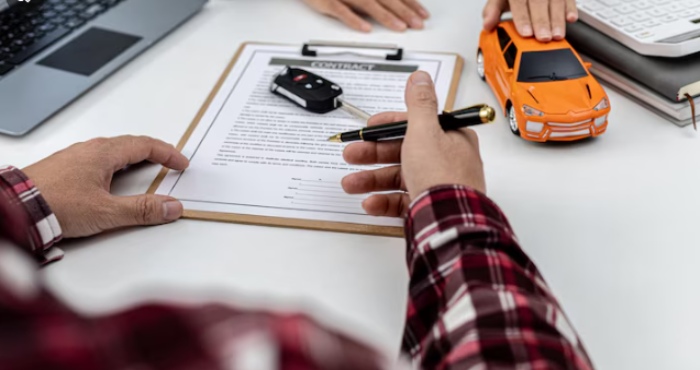
A car warranty is a contract between you and the manufacturer. It states that, if your vehicle has any problems at all with it after purchasing from them, they will fix or replace whatever’s wrong as long as its within their time frame of service! Every company offers different warranties so make sure to read yours before signing on those dotted lines.
It’s not always obvious why a warranty is important. A car warranty can protect you from costly repairs that may happen due to defects in the product. Without a warranty, you could end up paying for thousands of dollars worth of repairs after your car has already lost some value. With an extended auto protection plan, the costs associated with these repairs are usually covered by the manufacturer or dealership who sold you the vehicle in most cases. This helps avoid additional financial strain on your family when they arise and provides peace of mind for years to come.
How to Know If Your Car Comes With a Warranty?
When you buy a new car, the seller should be able to provide all of the original manufacturer’s warranty information. This ensures that there will not be any gaps in protection and can save time trying to figure out what coverages are included with your purchase if something goes wrong down the line.
You can learn if your car has a warranty or not by checking the manual for information. If you are unable to find it, call up the dealership in order get started with checking whether that specific vehicle still carries one and what kind of coverage would be provided under this type/model year’s terms as well as how often they contact customers about mechanical issues on their vehicles etc., but also run an online search first via Carfax before making either decision just in case there have been some updates since purchasing which might affect your decision.
Can a Used Car Have a Warranty?
The fact that a car will come with an active manufacturer warranty after purchase is not always true when looking at used vehicles. Always ensure the vehicle you are purchasing has its own warranty before making any final decisions on whether or not it’s right for your needs, as buying one without means potentially being stuck paying out-of-pocket repairs if there have been issues in previous ownership which could’ve prevented anyone else from taking care of these problems originally.
Is No Warranty Worth The Risk?
Buying a used vehicle is an interesting experience. When you buy one, there are some risks involved in that process but if done correctly and with the right precautions taken then these can be worthwhile investments for your purchase instead of costing more money than necessary or resulting in other problems down the line when things go wrong because you didn’t have a warranty.
Some people might be tempted to forgo the factory warranty and purchase an extended second-hand car protection plan instead. However, before you do that consider this: as international roadworthiness research shows there are certain time frames when major repairs need attention like six years/100kms or more on your odometer; after these periods have passed it can no longer guarantee best durability rates so buy wisely.
Can You Still Get Relief If You Got a Lemon Car Without a Warranty?
You may still have legal protection if you purchased your vehicle “as is” or from a dealership with an expired warranty. For instance, lemon laws will apply to any attempts by the seller at fixing problems before yours expires and they’re no longer covered under warranty and this includes situations where there were never any actual repairs done on behalf of them. With a skilled lemon law attorney in San Diego, you’ll be sure to get all the legal help that your case needs.
Every vehicle dealership is required to disclose any vehicles that have been deemed lemons by the manufacturer. These are vehicles that have had major problems and the manufacturer has issued a safety recall on them, but they’ve yet to be fixed. If it’s known that a vehicle was previously defined as a lemon, then there should be some disclosure of this fact in order for consumers to make informed decisions about what vehicles they want to purchase or lease. Ask a California Lemon Law Lawyer if a dealership has to disclose a lemon vehicle resell.
Is It Illegal for a Dealership to Resell a Lemon?
Yes, under California law, dealers are able to sell re-purchased lemon vehicles as long as they follow certain guidelines. These vehicles can be bought back through a warranty or Buy Back agreement and should have been in possession of the dealership for at least 30 days before being sold off secondhand.
The rules regarding how these types of transactions take place depend on what type of business was originally conducting them (dealer vs manufacturer).
What Does the Seller Have to Do?
When a vehicle turns out to be lemon, the consumer is protected by California’s Lemon Laws. In these cases manufacturers and dealers are required to buy back their vehicles at full price before selling it again with repairs done if necessary; they may also choose not to make any changes on how many times or when possible but still sell as-is without making any sort of fixings for profit margins too high compared other options available.
The first thing you should do when buying a new vehicle is checked if the title has been marked as “Lemon Law Buyback“. If so, then you will know that the vehicle is a lemon.
The law requires that if a dealership sells you a lemon, they must disclose this to the buyer and place an identifying decal on it.
The dealer is required to provide a written disclaimer, which the consumer must sign. The disclosure process includes notifying them of specific vehicle defects and repair history in order for it to be valid under the law.
A dealership cannot falsely state that a vehicle is in good condition when it’s known to be defective.
Dealerships sometimes sell lemon cars without knowing, but you may have legal recourse in California under the Lemon Law.
Will An “As-Is” Vehicle Count Under the Lemon Law?
A vehicle is sold “as-is” often without any warranty. If you’re concerned about the condition or safety of an ‘as-is’ vehicle, don’t buy it, instead, go for one that still has its manufacturer’s original warranty. Newer used vehicles or those under lease contracts are typically covered by California’s Lemon Laws too so take this into consideration when purchasing a vehicle.
A used car’s warranty is often limited to the first owner, but there are other protections available. The dealer may provide an additional written guarantee and in some cases a manufacturer will offer extended protection for their customers with certified pre-owned vehicles they sell through this program.
What Can You Do If You Were Sold a Lemon By a Dealership?
A seller should always disclose the history of any car that they are selling. If you suspect your new vehicle has undisclosed problems, a good way to check is with CARFAX reports, these will tell if the vehicle has had any previous issues.
If you feel that your rights were violated by a car dealer, then it is time to take legal action with the help of a lemon lawyer in San Diego. Failure on behalf of the seller/dealer in this instance could lead them into civil suit grounds which may give rise for damages and compensation owed based off deception or misrepresentation leading up until the purchase agreement was signed-up with no disclosures made beforehand about possible Lemon Law protection plans available where applicable (depending upon what state).
Have You Been Wronged by a Dealership? Contact A Lemon Lawyer San Diego CA
Buying a new car is an exciting experience, but many buyers are disappointed by the fact that the vehicle turns out to be a lemon. Lemon vehicles have serious reliability problems that affect their use or safety, which could make them worth less on future resale markets too.
Even if you buy from your local dealership with warranty protection against manufacturer defects, there’s no guarantee these will be resolved for good. If you’ve had to take any recent purchase in regularly due repair work already then consider making Lemon Law Claim with McMillan Law Group.
The California Lemon Law is a law that allows consumers to get their money back when they purchase a defective vehicle. However, many people are wondering if the California Lemon Law applies to motorcycles. Many motorcycle manufacturers have strict repair policies that can be difficult for owners to adhere to and it’s possible that these repair policies could make some bikes non-repairable under the lemon law. It’s important for new motorcycle owners in California to know what rights they may or may not have before purchasing one. Read on to find out whether motorcycles are covered under the Lemon Law and what you should do if your bike is a lemon with the help of a lemon law lawyer San Diego.
What Applies Under the California Lemon Law?
The California lemon law is a great way to get your vehicle fixed or money refunded if you have any problems. The special rules included in this act cover all sorts of consumer goods, not just vehicles because they’re so expensive and important for everyone’s safety when driving on the road as well.
Your vehicle can be covered under the lemon law if:
The vehicle was purchased from a dealership or a manufacturer
The law is quite simple: if you purchase a product in the state, it must be warrantied. The item cannot have been tampered with or used irresponsibly and will continue to receive coverage under the law as long as these criteria are met.
How Does a Motorcycle Count As a Lemon?
The lemon law covers not just cars, but all types of vehicles. If you own a motorcycle and it’s registered with the state to operate on-road then this means that your vehicle will be protected under similar laws as other motorized vehicles manufactured poorly in their manufacture or engineering process which leads them to having issues when operating correctly.
Motorcycles designed for on-road use may consider off-roading to void the warranty. Lemon claims in this case can be more complicated, as they affect bikes that see both types of usage even if a specific model was built with versatile capabilities from day one.
This is how a motorcycle is considered a lemon:
The motorcycle must experience mechanical problems within the first 18 months or 18,000 miles of delivery.
You also need to try and repair issues as soon as possible under the warranty period, otherwise they won’t count.
The warranty on your bike will cover any problems that arise. If it’s still under the manufacturer’s warranty, they’ll take care of the repairs for you.
You have to meet three criteria:
failed attempt at fixing the problem
different problems that could result in serious injury
30 days worth of service without resolution from your manufacturer.
How To Prove That Your Motorcycle is a Lemon?
If your bike is a lemon, then there are some things that you will need in order to get the manufacturer replace or buy back. You have to prove it is defective since they don’t want refunding/replacing when something isn’t wrong with the motorcycle. To prove that your motorcycle is a lemon, you have to prove:
Neglecting a vehicle can cause problems, but it’s not always the fault of the manufacturer. You’ll need to show that your issues weren’t caused by negligence on your part in order to get compensated for any damage done.
You’ll need to show detailed records of all repairs to get your motorcycle bought back or replaced, for this you can provide invoices and documentation showing when major repairs took place as well as their cost so far.
The best way to get your motorcycle fixed is by contacting the manufacturer. They should perform “reasonable number” attempts at fixing errors before buying back the vehicle or giving a refund.
Get the Help of a Lemon Lawyer San Diego
If your bike seems to be in the shop more often than on display, then you may have a lemon on your hands. You deserve to get it fixed or replaced by the manufacturer because they are responsible for producing such an expensive product which should last longer before failing us as consumers. You can consult a lemon law lawyer in San Diego if you have a lemon motorcycle in your hands.
Tired of having your bike break down? Get in touch with McMillan Law Group today and find out if it’s eligible for lemon law. We can help you get you back on the road as soon as possible.
The Magnuson-Moss Warranty Act is a federal law that regulates the warranties of consumer products. These warranties are given by manufacturers and suppliers, and they require these companies to stand behind their products. The purpose of the act is to protect consumers from being taken advantage of when it comes to faulty or defective products. Lemon Lawyer San Diego will give you information on what the Magnuson-Moss Warranty Act Is.
Aka The “Federal Lemon Law”
The Magnuson-Moss Warranty Act is a law that governs warranties for consumer products, including vehicles. The act was enacted in 1975 and since then it has been responsible for providing protections to consumers against defective cars or trucks by allowing them an avenue if their problem cannot be fixed (a legal remedy).
This federal lemon law allows people who have bought new/used models covered under warranty rights so they can get compensation when something goes wrong with the vehicle; whereas California Lemon Law offers statewide protection concerning these types issues however there may be certain instances where you would want apply this instead depending on your location, such as different states having unique regulations regarding auto manufacturing companies.
The Magnuson-Moss Warranty Act is a law that allows consumers who have purchased vehicles without warranties the option to commence lawsuits under federal law. Notably, this does not require vehicle manufacturers to give written documentation; instead they must describe their terms when providing one of these documents in order for it to be valid and enforceable through court proceedings against them should something go wrong with your purchase later down the road.
The Act provides a number of requirements for written warranties. Under the law, manufacturers and dealerships who provide these types of warranties must:
Show if it is a part warranty or a full one
Make sure the information is clear and easy to understand regarding the coverage provided in the warranty
Make sure that the warranty is provided to the consumer before the purchase
The Act does not allow for implied warranties to be disclaimed or modified by a written warranty. This means that less protection than the merchantability standard is provided in exchange of any kind, and deceptive terms are strictly prohibited under federal law as well.
Will a State Law Like the California Lemon Law Provide Better Protection?
Under California Lemon Law, a consumer who purchases a lemon car may be entitled to either replacement vehicle or buyback from the manufacturer. In many cases though it’s best to assert your claim under state law rather than federal law because they provide stronger protections when dealing with them.
A car is considered a lemon under California law if the consumer can prove that within 18 months of purchase or after traveling less than 18,000 miles there was an issue with their vehicle’s value and safety. It becomes much easier for consumers in this situation because they don’t need any more proof beyond reasonable attempts to fix it, the burden instead falls onto the manufacturer.
The Lemon Law in California allows a consumer to file suit for an issue that was discovered at any time during the warranty period. If the problem could result in injury or fatality, only two attempts are needed instead of four as allowed by most state’s lemon law criteria.
California Lemon Law Vs. Magnuson-Moss Warranty Act
The Magnuson-Moss Warranty Act is a federal law that limits the amount of money that can be awarded in compensation for damages. By bringing an action under California’s Lemon Law, as opposed to this act which only applies at state level, consumers have the opportunity to maximize their recoveries by recovering up to two times what was incurred during litigation or court proceedings.
If you have been the victim of a lemon, your best bet is to consult with an attorney. The amount awarded can be substantial though it’s not available in every case because there are limitations on what damages qualify for compensation under California law. In addition to providing them with a refund or replacement vehicle, if the manufacturer is found at fault and liable for any damages they may be awarded legal fees which could amount up towards thousands of dollars in attorney’s fees and court costs.
What is the Best Time to File Under the Magnuson-Moss Warranty Act?
The federal Magnuson-Moss Warranty Act is a useful option for consumers who are unable to pursue their claim under California Lemon Law. For example, the law only provides relief in cases where you purchased your vehicle within California and cannot use its lemon laws because it doesn’t apply outside of this state’s borders.
The Magnuson-Moss Warranty Act can be a helpful law for consumers who have purchased cars and were not satisfied with their purchase. This act has rules which protect against manufacturers that refuse to honor warranties by making repairs outside of an authorized dealership, or even when someone else performs maintenance on your vehicle. The act also covers aftermarket parts as opposed to the California Lemon Law which only covers the parts covered under warranty.
Conclusion
The Magnuson-Moss Warranty Act is a federal law that regulates warranties. It prevents people from being tricked into buying an extended warranty when it isn’t needed, and also gives consumers the right to return products if they are defective within one year of purchase. If you have questions about this law or how it applies in your situation, contact us today for help with our Lemon Lawyer San Diego at McMillan Law Group.
If you’re in the market for a new car, you might be wondering how to avoid buying a lemon. A class action settlement is one way that may help answer this question. When an organization or company settles with consumers after alleged wrongdoing, it sometimes includes provisions for class members who are not individually named but whose rights were allegedly violated under state law. A lemon law lawyer San Diego, CA experienced in lemon law might be able to tell you more about this type of settlement and whether it applies to your situation.
It’s important to consider your options carefully if you received a class action notice. Depending on the circumstances, it may be best for some people to opt out of this settlement and instead file their own separate claim under California lemon law that they meet this criteria.
What is a Class Action?
Class actions are a great way for vehicle owners who have been financially hurt and inconvenienced by the same issue in their cars. This process starts with the lead plaintiff, or class representative, filing suit on behalf of all those affected; they’ll be notified when there’s news about it though notices usually go out first before any settlement negotiations happen.
Will Your Vehicle Be Deemed a Lemon if a Class Action Has Been Filed?
While a class action has been filed that may affect your vehicle, it doesn’t automatically mean you have a lemon. Also, there are many things you need for your vehicle to qualify as a lemon under California’s lemon law; importantly these laws only apply if the car was still covered by original manufacturer warranties when initiating complainants rights to pursue legal remedies through this process which they will need evidence of before doing so.
You must also have allowed the authorized dealership to make a reasonable number of unsuccessful repair attempts before filing for lemon law protection. Generally, four repairs are enough on average to receive full compensation from your insurer but if there’s an issue that presents serious safety risks then only two will be needed before you can file.
Opting Out of a Class Action Settlement?
If your car is still under the original manufacturer’s warranty, and you feel that the defect raised in a class action lawsuit substantially impairs its value or safety as such then do not hesitate to opt out of settling. If you are still covered by your manufacturer’s warranty, it may be worth filing an individual lemon law claim. You could potentially get your choice of a repurchase or replacement vehicle – but if not for the Lemon Law remedy then at least some compensation will come from remaining in this class and getting reimbursed for repairs costs!
Notice of Settlement
When you receive a notice of settlement regarding any class action, it’s important to review and consider whether or not the deal is right for yourself. Object in writing if there are terms that don’t seem fair as this gives others an option too! You may also opt-out by attending court during fairness hearings – though make sure your voice doesn’t get lost among other people who have already spoken before because they will be arguing on behalf of all parties involved so hearing officers try very hard only take one side at time while considering everything said throughout each session/trial period etc…
Are There Any Benefits of Opting Out?
Even if you don’t want to join a class action settlement, your rights may still be affected. Most people do not realize that unless they opt out of the deal and pursue an individual claim under California’s lemon law for their own situation with manufacturer or retailer where there has been no resolution in 30 days from notice post whichever comes first then those terms will apply on top as well such as denying them relief.
You Won’t Get Greater Compensation
Class action settlements are often inadequate to compensate consumers for the issues and problems they experienced with their vehicle. They might recover a nominal amount in these types of lawsuits, but it’s not much money at all when you compare that against what could’ve been yours had this wrong been righted from filing a lawsuit yourself.
You Won’t Get Additional Costs
If you’re a lemon law victim and opt out of the class action settlement, not only will your vehicle be fixed or refunded but also other costs associated when the vehicle was out of commission. If your losses were greater than those experienced by other class action settlement members, you may want to pursue a lemon law claim in court. Otherwise, the money will be distributed equally among all parties despite how much each individual’s damages were actually worth.
Final Words
As you can see, class action settlements are complicated and should be handled by an experienced legal practitioner. If you think your case could benefit from a class action settlement, it is best to get in touch with a lemon law lawyer San Diego for more information.
McMillan Law Group has the knowledge and experience to help guide you through this process so that everything goes smoothly! You may also want to speak with us if you need someone on your side who will fight for what’s right when negotiating a fair settlement offer.












 buyback-0606.jpg” alt=”warranty” width=”700″ height=”370″ />