
For numerous individuals, owning an RV represents an aspiration, providing the allure of exploration and liberty on highways. However, ongoing issues can quickly transform that aspiration into a distressing experience. In California, the Lemon Law (Song-Beverly Consumer Warranty Act) safeguards the rights of owners with malfunctioning vehicles, RVs included. An essential component of these claims is the “30-day countdown,” which monitors the duration your RV is unavailable for repairs — this timeline can significantly influence the outcome of your case.
Understanding the Lemon Law and Its Application to RVs
California’s Lemon Law encompasses not just automobiles and trucks, but also motorhomes, travel trailers, and various other recreational vehicles that remain covered by the manufacturer’s warranty. The law is designed to safeguard consumers who buy or lease vehicles that are defective and significantly hinder their usability, value, or safety. When an RV experiences persistent issues, the manufacturer is typically afforded a reasonable number of attempts to resolve these problems.
However, if these attempts are unsuccessful and the RV remains out of service for a prolonged period, it may be classified as a “lemon,” granting the owner the right to either a replacement vehicle or a full refund.
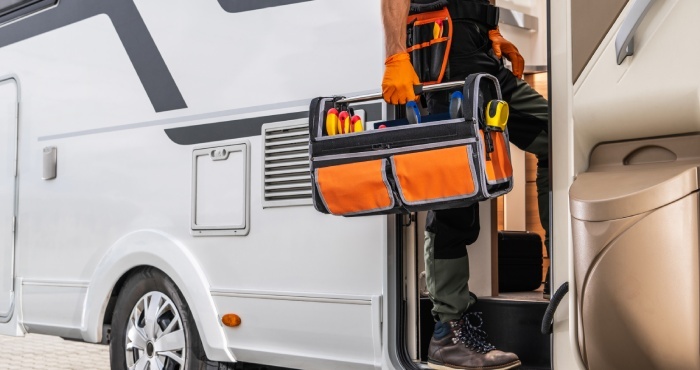
Although every situation is different, the amount of time your RV is in the repair shop — or otherwise unusable — plays a crucial role in determining whether it meets the criteria set forth by the Lemon Law. This is where the “30-day rule” becomes relevant.
The 30-Day Rule: What It Means
The term “30-day countdown” is a colloquial expression used by California Lemon Law lawyers to describe the total time an RV is out of service due to warranty-covered repairs. While it’s not a strict legal requirement, courts and manufacturers often reference this timeframe as a practical standard to determine if the vehicle’s lack of availability represents a significant impairment.
In essence, if your RV is undergoing repairs for 30 days or more during the warranty period, it bolsters your claim under California’s Lemon Law. The time spent off the road indicates that the problems are not merely minor annoyances but serious issues that hinder the vehicle from fulfilling its intended function. This total downtime can consist of both consecutive days and several shorter repair sessions, as long as they are documented and related to warranty work.

Why Time Off the Road Matters
Significant Impairment of Functionality:
Under the Lemon Law, it is crucial to show that a vehicle’s defects significantly affect its usability, value, or safety. For an RV, every day spent in repairs means lost opportunities for travel, leisure, and exploration. Since RVs are meant for mobility, extended downtime directly impacts the owner’s experience, a fact recognized by both courts and manufacturers.
Building a Stronger Case:
Keeping track of repair downtime provides solid evidence for a lemon-law claim. Maintaining thorough documentation — such as repair invoices, service records, and correspondence with the dealership — enables an attorney to create a timeline that bolsters your case. The more precisely you can account for the time your RV has been off the road, the better positioned you will be when seeking a buyback, replacement, or settlement.

Negotiation Advantage:
Manufacturers typically prefer to resolve lemon-law disputes out of court to avoid potential litigation. Showing that your RV has been out of service for more than 30 days can serve as powerful leverage during negotiations. This indicates to the manufacturer that the issues are serious and that the owner is informed about their legal entitlements.
Eligibility for Solutions:
Although the 30-day mark is not a statutory requirement, California Lemon Law attorneys and courts often treat it as a practical benchmark to determine whether remedies like a replacement or refund are justified. The longer your RV remains out of service due to defects, the greater the likelihood that the manufacturer will be held accountable.
Documenting Downtime: Best Practices
Precise documentation is essential for meeting the 30-day requirement and proving a significant loss of functionality. RV owners should implement careful record-keeping from the moment they first notice a defect:
- Service Documentation: Retain all repair orders and receipts. Make sure to note both the date when the RV was left for service and when it was ready for collection.
- Communication Records: Keep a log of all correspondence — emails, texts, and phone calls — with the dealership or manufacturer. Summarize the content of these conversations and record any commitments made or repair estimates given.
- Travel Documentation: Record how the downtime has disrupted your travel plans, including any reservations made, trips canceled, and events missed, to highlight the tangible effects of the defects.
- Photographic Documentation: Capture images of the defects, any repair efforts, and persistent issues that reflect the ongoing nature of the problem.
By carefully maintaining these records, RV owners in Rancho Santa Fe can build a strong and persuasive case showing that their vehicle’s downtime exceeds acceptable limits, thereby bolstering their claims under California’s Lemon Law.

Why RV Owners Should Act Quickly
The timing of your Lemon Law claim is crucial. Since warranties have a limited duration, waiting too long to file can undermine your case. If your RV has experienced 30 days or more of service-related issues, it’s important to start your claim as soon as possible. Quick action helps avoid disputes from manufacturers regarding the timeline and prevents them from claiming that any delays were caused by unrelated problems.
Additionally, seeking legal advice early on increases your likelihood of properly documenting the downtime and engaging with the manufacturer in an effective manner. Taking swift action allows you to fully leverage the remedies provided by California’s Lemon Law.
Owning an RV should symbolize freedom and adventure — not constant problems and lengthy repair delays. A San Diego Lemon Law lawyer can help you understand how California’s Lemon Law protects consumers facing these challenges, with the 30-day timeframe often serving as a key indicator of significant vehicle downtime. By carefully documenting your case, acting promptly, and seeking experienced legal guidance, RV owners can protect their investment and enjoy a smoother, worry-free journey on the road.