
For many adventurers, a motorhome is both home and freedom, but when mechanical issues keep arising, the question of protection becomes critical. Under California Lemon Law, coverage for custom-built motorhomes often depends on whether the defect impacts the motorized chassis or the living quarters. Since the rules aren’t always straightforward, consulting an experienced Lemon Law Lawyer California can help you understand these distinctions and determine whether your RV qualifies as a lemon.
Understanding Lemon Law and Its Purpose
Lemon Laws are designed to safeguard consumers who buy faulty vehicles. These regulations mandate that manufacturers either repair, replace, or provide a refund for vehicles with major defects that cannot be resolved after a reasonable number of attempts. The fundamental principle is straightforward: buyers shouldn’t have to deal with a “lemon.”
While most state Lemon Laws apply to cars, trucks, and SUVs, the situation is more intricate for motorhomes. Since an RV serves as both a vehicle and a living area, various components may be governed by different regulations. This complexity increases further if the RV is custom-made, involving multiple manufacturers or specialized builders in its assembly.
The Lemon Law in Warner Springs, California, is designed to protect consumers by ensuring they receive fair remedies when their vehicles, including motorhomes, have persistent defects.
Understanding How Lemon Law Applies to Motorhomes
In numerous states, the protections offered by Lemon Laws typically encompass the motorized components of a motorhome, such as the chassis, engine, transmission, and drivetrain. However, the living area — which includes plumbing, electrical systems, furniture, and appliances — often does not receive the same coverage.
For instance:
- Included Parts: Engine malfunctions, transmission defects, or problematic steering systems.
- Typically Excluded: Roof leaks, malfunctioning refrigerators, or air conditioning failures in the living space.
This differentiation is significant because a custom motorhome may feature specific layouts, appliances, or design elements added by an RV manufacturer or specialty builder, rather than the original chassis producer. As a result, these components may be covered by different warranties rather than being part of a single Lemon Law claim.
Custom-Built Motorhomes: Who’s Responsible?
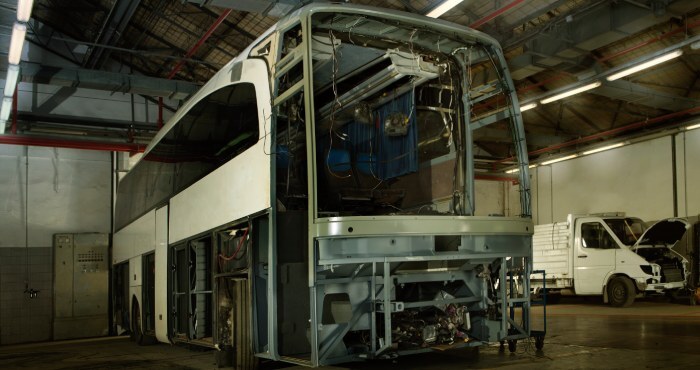
Custom recreational vehicles (RVs) are typically assembled by multiple entities, each handling specific elements of the build. The manufacturer of the chassis provides the base vehicle along with the engine and drivetrain, while the RV constructor focuses on creating the living quarters. Afterward, customizers can enhance the RV with unique features like solar energy systems, high-end interiors, or advanced technology.
When problems arise, determining fault is essential. Engine issues are typically covered by the chassis manufacturer’s warranty, while water damage or interior defects often fall under the responsibility of the RV builder or customizer. Since multiple warranties may apply, Lemon Law claims are usually stronger when the defect involves the vehicle’s motorized components.
Can You Lemon Law a Custom-Built Motorhome?
The short answer is yes—you can Lemon Law a motorhome, but there are important limitations. If the defect impacts drivability, safety, or the motorized portion of the vehicle, Lemon Law protections generally apply. However, when the problem is in the “house” portion, remedies may depend on state law, extended warranties, or breach-of-contract claims instead of Lemon Law.
It’s also worth noting that some states exclude motorhomes from Lemon Law coverage altogether, while others allow claims but with specific restrictions. For example, repeated transmission failures could give you a strong Lemon Law case, but issues like a faulty entertainment system or a leaking skylight may require different legal routes.

Key Steps if Your Custom Motorhome Breaks Down
Keep Thorough Records
It’s essential to maintain a detailed written account of every repair attempt, noting the dates and specifics of the issues encountered. Retain all invoices, work orders, and receipts connected to your motorhome. These documents are vital if you need to file a claim under Lemon Law.
Understand the Repair Attempts Requirement
Most Lemon Laws stipulate that a defect must continue to exist despite multiple repair efforts. This usually means there should be at least 3–4 unsuccessful attempts or that the vehicle has spent more than 30 days in the repair shop. Familiarizing yourself with this requirement can help you determine if your case qualifies as a “lemon.”
Review State-Specific Regulations
Lemon Law protections vary by state. Some jurisdictions may cover both the driving and living aspects of a motorhome, while others might not. For example, California’s legislation applies to new motorhomes but differentiates between the chassis and the living area.

Seek Advice from an RV Lemon Law Attorney
Claims under RV Lemon Law can be intricate due to various technicalities. A qualified Lemon Law attorney can assess your situation and identify applicable laws or warranties. With expert support, you increase your chances of achieving a favorable outcome.
Challenges Unique to Custom-Built Motorhomes
Custom motorhomes, unlike mass-manufactured vehicles, pose distinct difficulties in Lemon Law disputes:
- Various Warranties: You might have to file claims against several different entities.
- Unique Components: Custom modifications frequently involve specialized parts, complicating the argument that defects significantly diminish “use, value, or safety.”
- Differences Among States: Certain states lack clarity on whether custom RVs fall under the definition of “motor vehicles” in Lemon Law statutes.
As a result, owners of custom motorhomes frequently encounter greater challenges compared to traditional car purchasers.

Why Legal Guidance Matters
A motorhome serves as both a vehicle and a mobile residence, offering a sense of freedom. However, persistent mechanical issues can jeopardize that experience. In California, the Lemon Law differentiates between problems related to the motorized chassis and those concerning the living space when it comes to custom-built motorhomes. Recognizing this difference is essential for determining if your RV meets the criteria of a lemon.
Your motorhome is more than just a vehicle—it’s your home and your adventure, so repeated breakdowns can be overwhelming. While Lemon Laws may apply to motorhomes, custom-built RVs create unique challenges, making it essential to know whether the problem lies in the chassis or the living area. A San Diego Lemon Law attorney can review your case, explain your rights under state and federal laws, and guide you toward the best path for relief.