Numerous buyers acquire extended warranties with the belief that they provide thorough coverage, only to find out later that some repairs are not included when issues occur. Typical exclusions can encompass items affected by normal wear and tear, regular maintenance, pre-existing issues, and damage resulting from misuse or neglect. By being aware of these restrictions before agreeing to a warranty, consumers can prevent surprise expenses and make wiser choices regarding their coverage.
Wear-and-Tear Items and Routine Maintenance That Extended Warranties Usually Do Not Cover
An extended warranty is often marketed as purchase protection against expensive car repairs, but consumers frequently misunderstand what warranty coverage actually includes. Unlike a factory warranty or manufacturer warranty, which typically comes with a new vehicle purchase, an extended warranty is usually a service contract sold by a dealership, auto dealer, service plan company, or Private warranty provider after—or near the end of—the original warranty period.
Consumables, Maintenance, and “Normal Use” Parts
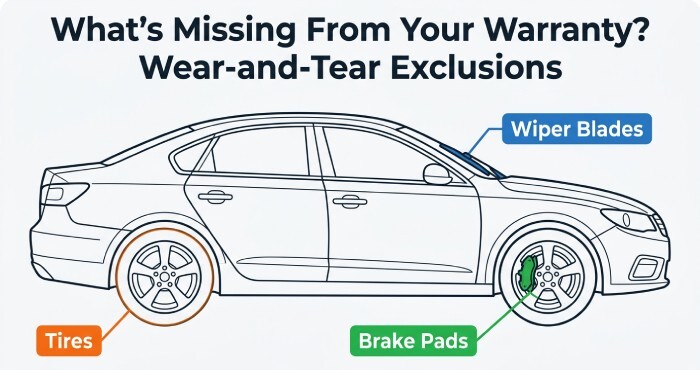
Most extended warranty plans exclude wear-and-tear items and routine maintenance. Brake pads, tires, wiper blades, belts, hoses, fluids, filters, spark plugs, alignments, and oil changes are rarely covered parts. Even when bumper-to-bumper coverage sounds broad, the warranty fine print may state that maintenance items are outside the service contract.
This is also true for many dealer warranty products, third-party warranty plans, and even some used car warranty agreements. A dealer warranty may cover specific mechanical failures, but it usually does not pay for predictable deterioration. Powertrain coverage, for example, may include engine coverage, transmission coverage, and drive axle coverage, but it will not usually cover clutch wear, fluid services, or damage caused by missed maintenance.
Why “Bumper-to-Bumper” Does Not Mean Everything
Bumper-to-bumper coverage can be misleading. A factory warranty may offer strong bumper-to-bumper coverage for a limited period, but an extended warranty version may include more warranty exclusions. The manufacturer warranty might cover defects in workmanship, while a third-party warranty may only cover listed failures of named components. Consumers should compare factory warranty terms, dealer warranty promises, and third-party warranty limits before assuming the warranty benefits are identical.
Pre-Existing Problems, Improper Repairs, and Maintenance Record Requirements
Maintenance Records and Claim Denials
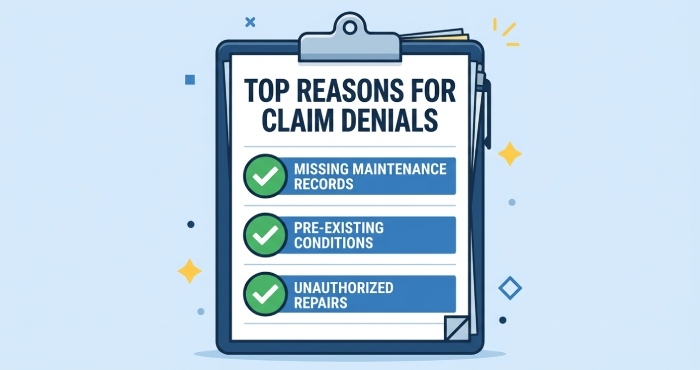
Extended warranty providers often require proof that the vehicle was maintained according to the manufacturer’s recommended service schedule. Missing records for oil changes, coolant flushes, or transmission services can lead to claim denials, particularly when engine, transmission, or drivetrain components fail.
Coverage may also be denied if prior repairs were performed improperly, non-OEM parts were used where required, or unauthorized repairs contributed to the breakdown. In addition, many warranty contracts require repairs to be completed at approved repair facilities or dealerships before reimbursement or coverage will be considered
Keep Written Proof Before and After Repairs
A written warranty, maintenance receipts, diagnostic reports, and repair invoices can be critical. A reputable provider will explain documentation requirements clearly, while a less transparent service contract provider may rely on vague language to deny repair bills. Consumers should also track repair attempts, mileage limitations, and any conversations with the warranty administrator.
Exclusions for Electronics, Software, Diagnostics, and “Non-Mechanical” Components
Modern vehicles depend heavily on software, sensors, modules, cameras, infotainment systems, hybrid systems, and advanced driver-assistance technology. Yet many extended warranty contracts still distinguish between “mechanical breakdown” and electronic, software, diagnostic, or non-mechanical failures.
Electronics and Diagnostics Are Often Limited
Factory warranties typically include coverage for electronic parts while the original warranty is in effect. However, extended warranties frequently do not cover certain items like screens, navigation systems, key fobs, wiring, software upgrades, and diagnostic services.
Additionally, battery coverage may be restricted, with distinct warranties available for various battery components. Since coverage levels can differ significantly, it is crucial for consumers to thoroughly examine the warranty details and manufacturer information to know what is included and what is excluded.
How Lemon Law Protections Differ from Extended Warranty Coverage and When Consumers Should Seek Legal Help
Lemon law protections are fundamentally different from an extended warranty. A factory warranty, manufacturer warranty, dealer warranty, third-party warranty, or service contract is simply a promise to repair or pay for certain covered components. By contrast, lemon law rights are legal remedies that may apply when substantial vehicle defects persist despite reasonable repair attempts. A California lemon law lawyer can evaluate the repair history, warranty coverage, and defect documentation to determine whether the consumer may be entitled to a refund, replacement vehicle, or other relief under California’s lemon law statutes.
Warranty Coverage vs. Statutory Rights
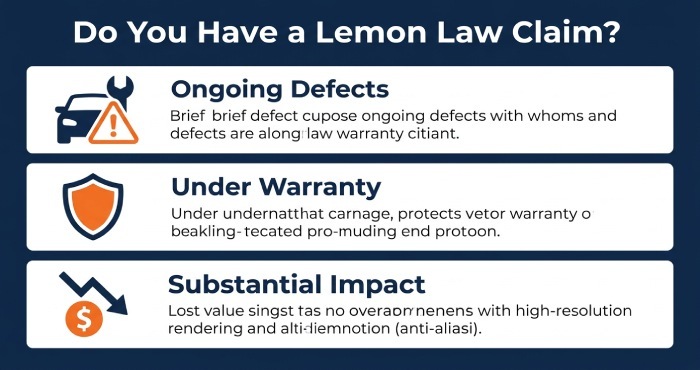
A lemon law claim usually focuses on defects covered during the original manufacturer warranty or factory warranty period. State lemon law rules vary, but many require repeated repair attempts, a serious safety defect, or the vehicle being out of service for a specified number of days.
In Oakland, California, consumers may also rely on federal protections under the Magnuson-Moss Warranty Act when a written warranty is breached, supporting claims involving warranty coverage disputes, repeated repair failures, and deceptive warranty practices.
An extended warranty may help pay for out-of-pocket repairs after the factory warranty expires, but it generally does not create the same refund eligibility, replacement rights, or statutory compensation available under lemon law. A third-party warranty denial may be a contract dispute, while a lemon law case may involve the car manufacturer’s failure to repair defects under the manufacturer warranty. Arbitration may be required in some programs, and some consumers may encounter an arbitration form from a car manufacturer or state agency.
A lemon law expert or Lemon Law attorney can help determine whether the consumer has a service contract dispute, a manufacturer warranty claim, or a true lemon law claim. In California, consumers may consult a San Diego lemon lawyer to evaluate their legal options and determine whether they qualify for remedies under the state’s lemon law protections.
If the issue involves repeated defects during the factory warranty, lemon law may offer stronger remedies than an extended warranty. If the dispute involves denied repair costs under a dealer warranty, third-party warranty, or customizable coverage plan, the consumer may need to challenge service claim restrictions, repair shop restrictions, or improper exclusions directly with the service contract provider.
Documentation and Advertising Mistakes That Create Liability
1: Misrepresenting the Vehicle’s Condition in Ads or Messages
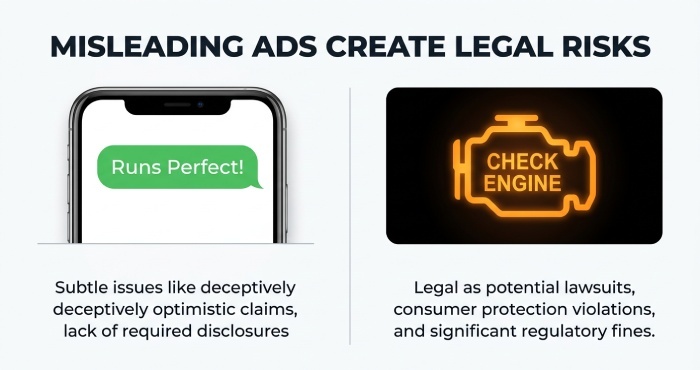
During a private sale in California, any claims made through advertisements, text messages, emails, or online listings can serve as proof if a buyer later claims that they were misled or defrauded.
It’s essential for sellers to provide a truthful account of the vehicle’s condition and to refrain from using phrases like “like new” or “no issues” if they know about any flaws, repairs, warning lights, or persistent mechanical problems. Buyers who seek advice from a lemon law attorney might contend that deceptive statements indicate hidden defects.
2: Hiding Known Mechanical Defects From the Buyer
An “as-is” transaction does not shield a private seller who is aware of significant issues, like engine troubles, brake malfunctions, problems with the EV battery, or ongoing mechanical failures.
Although California’s lemon law typically targets manufacturers rather than individuals selling privately, purchasers could retain lemon law protections if the car is still under warranty or has a history of lemon law buybacks. This underscores the importance of complete transparency.
Title, Mileage, and Identity Problems
3: Rolling Back or Failing to Disclose Odometer Issues
Odometer tampering can swiftly escalate a private sale of a vehicle into a significant legal issue. Not revealing differences in mileage, changes to the instrument panel, or incorrect odometer figures can leave a seller vulnerable to lawsuits for damages, refunds, and legal costs. To prevent complications, it’s essential that all mileage details are correctly documented in the bill of sale, DMV documents, and vehicle history reports.
4: Selling a Car With a Salvage or Branded Title Without Clear Disclosure
A salvage, rebuilt, flood, lemon law buyback, or branded title must be disclosed clearly. Sellers sometimes mention the title brand verbally but fail to put it in the sale documents. That creates avoidable risk.
A lemon law buyback is particularly sensitive. A buyer may later contact a lemon law attorney or search a Lemon law FAQ after discovering that the car was previously repurchased by a manufacturer. Car manufacturers such as Audi, BMW, Chevrolet, Dodge, Ford, Fiat, GM, Hyundai, Honda, Jeep, Kia, Mercedes, Nissan, and Subaru all have vehicles that may appear in resale markets after buyback or major repairs.
Warranty Language and “As-Is” Confusion
5: Making Verbal Promises That Sound Like Warranties
Individual sellers must be careful when making assurances, like promising a vehicle will pass a smog check or affirming its condition, since these claims can be viewed as explicit warranties and lead to potential breach-of-warranty lawsuits.
Although California’s lemon law typically concerns defects covered by manufacturer warranties rather than private transactions, a buyer may still file a lemon law claim against the manufacturer along with separate misrepresentation allegations against the seller if the car is still under warranty.
6: Using an Incomplete or Vague Bill of Sale
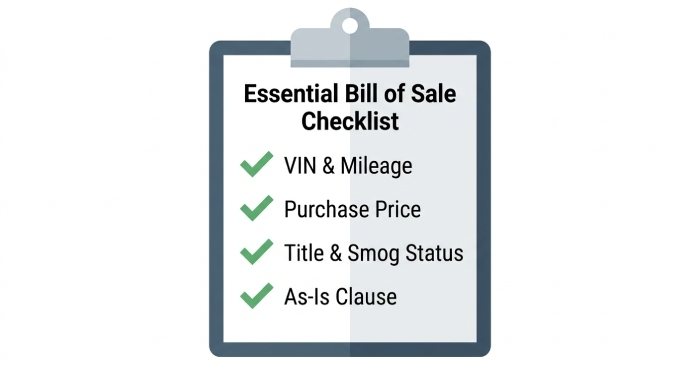
A vague bill of sale creates uncertainty about seller obligations. It should identify the motor vehicle, VIN, mileage, purchase price, date, parties, title status, smog status, known defects, and whether the sale is as-is. In California private sales, clarity reduces disputes.
A purchaser in need of lemon law assistance can present their bill of sale to a reputable lemon lawyer in San Diego for assessment of eligibility under lemon law, warranty provisions, and the potential for a breach of warranty claim. If the documentation is lacking or incorrect, it may give the impression that the seller is negligent, disorganized, or potentially misleading during the evaluation.
DMV, Release, and Smog Compliance Errors
7: Failing to Provide Required DMV Transfer Documents
California sellers must provide complete and accurate DMV transfer paperwork, as missing signatures, title errors, lienholder issues, or omitted forms can delay registration and lead to disputes.
These problems can arise anywhere in California—including Los Angeles, San Diego, San Francisco, San Jose, Anaheim, Bakersfield, Riverside, Sacramento, Orange County, Oakland, and the East Bay—making it important to handle every private vehicle sale with the same care as a dealer transaction.
8: Not Filing a Notice of Transfer and Release of Liability
Failing to file a Notice of Transfer and Release of Liability can expose the seller to parking tickets, tolls, accidents, impound fees, or registration issues after the sale. This is not a California lemon law issue, but it is a major private sale liability issue.
Sellers should file the release promptly and keep proof. If the buyer later causes problems with the motor vehicle, the seller needs evidence showing the date of transfer.
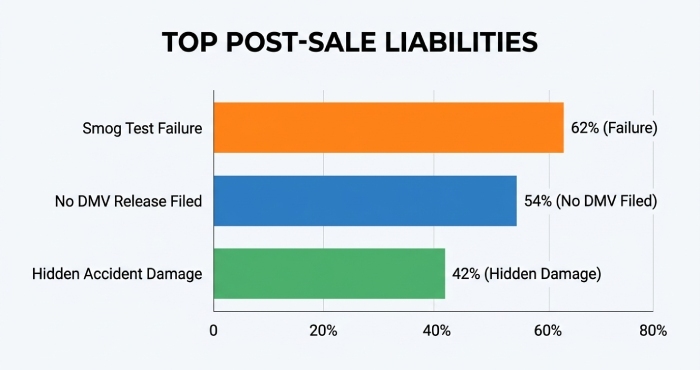
9: Selling a Vehicle That Cannot Pass Smog Requirements
California has strict smog rules. In many private sale transactions, the seller must provide a valid smog certificate unless an exemption applies. Selling a used car that cannot pass smog can lead to rescission demands, refund requests, or legal help from a consumer attorney.
Damage History, Dealer-Like Conduct, and Lemon Law Confusion
10: Concealing Accident, Flood, or Frame Damage
Hidden issues such as prior accident damage, flood events, airbag activation, or structural repairs can result in conflicts, as they impact a vehicle’s safety and worth. Buyers might investigate lemon law remedies via tools like a buyback calculator or seek legal advice. However, a seller who deliberately hides known problems may incur additional liability, regardless of the manufacturer’s role in any lemon law claims.
11: Advertising the Sale in a Way That Looks Like a Dealer Transaction
A seller who frequently flips cars, uses dealer-style ads, sells multiple vehicles, or creates business-like listings may attract scrutiny. California claims can become more serious if the seller appears to be operating like an unlicensed dealer.
That distinction matters because a dealer sale carries different consumer protection rules than a true private sale. If the seller behaves like a business, the buyer’s attorney may argue that additional California consumer law duties apply.
Lemon Law Exposure and Early Legal Guidance
12: Assuming California Lemon Law Never Affects Private Sales
A frequent misconception is that the California lemon law has no relevance in private sales. Although buyers typically can’t file a direct lemon law claim against a private seller, they may still pursue rights against the manufacturer if the vehicle is still under warranty and meets lemon law criteria.
Additionally, sellers are obligated to reveal any history of buybacks due to lemon law issues; neglecting this duty could result in nondisclosure claims and further legal complications.
13: Ignoring Buyer Complaints Instead of Seeking Legal Guidance Early
In the event that a buyer identifies issues following a private sale, the seller must retain all relevant documentation, such as advertisements, text messages, inspection reports, repair invoices, and title papers. If the warranty is still in effect and the buyer thinks the vehicle meets California Lemon Law criteria, a California lemon law lawyer may need to be consulted. Speaking with such a lawyer can clarify whether the situation pertains to lemon law rights, breach of warranty claims, or a typical private sale agreement.
Red Flag #1: The Arbitration Clause Limits Your Legal Rights
A lemon law claim can be weakened before it begins if the contract or arbitration clause narrows your legal rights. Some purchase, lease, lease-to-own, or warranty documents try to steer consumers into arbitration without clearly explaining whether the arbitration process is optional, mandatory, binding, or connected to an official lemon law program.
In California, including residents of Mariposa County, consumers can review guidance from the California Department of Consumer Affairs and other state consumer resources to better understand warranty rights, dispute resolution options, and lemon law protections. By carefully reviewing warranty documents, arbitration provisions, and repair records, vehicle owners can better determine whether a defective vehicle may qualify for a refund, replacement, or other remedies after a reasonable number of repair attempts under California law.
Check whether the clause conflicts with the lemon law program
A red flag appears when the clause suggests you cannot seek a refund, cannot file a complaint, or cannot pursue another legal remedy after arbitration. A legitimate lemon law program should not mislead you into giving up rights that the statute preserves. If the request-for-arbitration form, contract, or fact sheet appears inconsistent with the lemon law guide, pause before signing.
For example, in California, consumers may encounter manufacturer-sponsored arbitration programs as well as dispute resolution processes connected to state consumer protection laws. Before agreeing to arbitration, it is important to compare the procedures, eligibility requirements, and available remedies. If a manufacturer’s private arbitration program offers fewer protections or limits certain rights that may be available under California lemon law, that difference can significantly affect the outcome of a claim.
Red Flag #2: The Arbitrator Appears Biased Toward the Manufacturer
Warning signs of an uneven arbitration hearing
During an arbitration hearing, watch for signs of possible bias, such as the arbitrator interrupting your testimony, dismissing safety concerns, overlooking the vehicle’s repeated repair history, or permitting the manufacturer to submit evidence that would not be allowed for you. In California, arbitration programs are intended to provide a fair and neutral process for resolving warranty disputes. If you believe the arbitrator is limiting your opportunity to present evidence or failing to follow proper procedures, document the issue and keep records that may support your claim.
Keep notes about tone, procedure, and evidence rulings
Write down who attended, what was said, what documents were accepted, and whether the arbitrator treated both sides consistently. These details may be important if you later seek legal services or challenge how the arbitration process was handled.
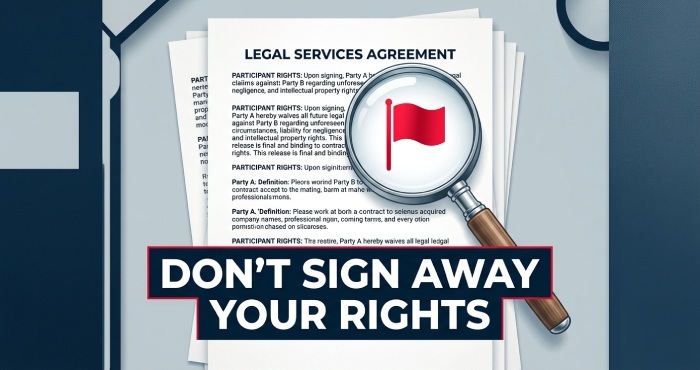
Red Flag #3: You Are Asked to Sign Away Your Right to Sue
Be cautious before signing any release offered by the manufacturer, dealer, or arbitration program. Some agreements may waive important rights, including future lemon law claims, lawsuits, or additional remedies. Review any settlement terms carefully before accepting them.
This is particularly important for used cars, new vehicles, leased vehicles, farm equipment, and wheelchairs, as different warranty and lemon law rules may apply. California consumers should review warranty documents and applicable consumer protection resources to ensure a settlement fairly reflects the remedies available under the law.
Red Flag #4: The Process Rushed You Before You Gathered Evidence
A defective vehicle case is evidence-driven. If the manufacturer pressures you to submit the request-for-arbitration form immediately, attend arbitration quickly, or accept a hearing date before you collect repair records, that is a serious concern. The request-for-arbitration form should help frame your complaint, not trap you into an incomplete presentation.
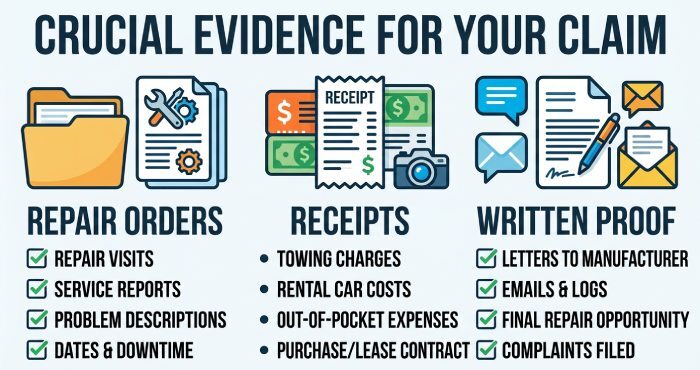
Evidence to gather before filing
Before filing the request-for-arbitration form, collect:
If your defective vehicle has not yet been through a reasonable number of tries, speak with the authorized dealer and manufacturer in writing so the record is clear. The repair timeline often determines whether lemon law protections apply.
Red Flag #5: Important Repair Records or Expert Reports Are Missing
Missing repair documents can make a strong lemon law claim look weak. The arbitrator needs a clear timeline showing each defect, each repair attempt, and whether the authorized dealer duplicated the concern. If a repair order simply says “could not verify” while your videos or expert report show the defect, include both.
A manufacturer may argue that the defective vehicle was fixed, abused, modified, or not covered. Without repair records, the arbitrator may struggle to calculate the refund amount or decide whether the manufacturer had enough opportunities to repair the problem.
Red Flag #6: The Proposed Award Is Less Than What Lemon Law Allows
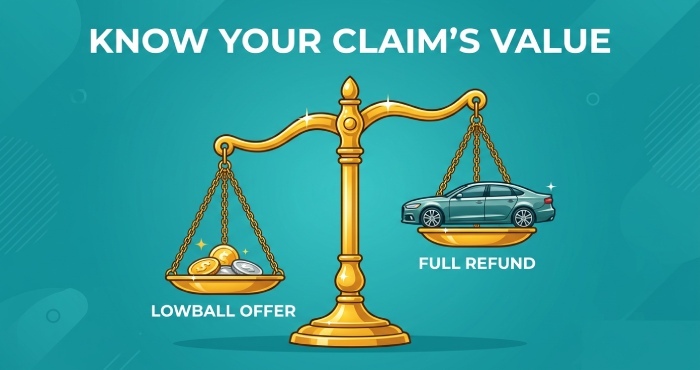
A proposed arbitration award may be a red flag if it offers only additional repairs, a small cash payment, or a trade-in credit when a refund or replacement may be available under lemon law. For leased vehicles, review whether excess wear and damage charges have been improperly included. If the award excludes recoverable costs such as taxes, fees, registration expenses, or other amounts allowed by law, consider obtaining legal guidance before accepting the decision.
Consumers in different states should seek local advice. For example, a California consumer may consult a san diego lemon law lawyer, while consumers comparing broader representation options may speak with a lemon law lawyer or look for the best lemon law attorney for their jurisdiction.
Red Flag #7: You Are Pressured to Accept a “Final” Decision Without Legal Review
Feeling rushed to agree to an arbitration ruling can be a concerning indicator. If a manufacturer, dealer, or arbitration organization pressures you for immediate approval, it’s wise to take a moment to thoroughly examine the decision, since it could impact your refund, ownership of the vehicle, and legal entitlements under the lemon law.
Prior to accepting a final ruling, ensure you contrast it with your initial arbitration request, documentation of repairs, and refund assessments. If key evidence is overlooked, details are inaccurately represented, or the manufacturer is granted further repair chances without a valid rationale, consulting with a legal expert might be beneficial to safeguard your rights.
When a dealership fails to disclose that a vehicle has been involved in a prior accident, buyers may face unexpected repair costs, safety concerns, and a loss in vehicle value. California law protects consumers from deceptive sales practices, and dealerships may be held accountable for withholding important information about a car’s history. Understanding your legal rights can help you pursue compensation or other remedies if you discover undisclosed accident damage after your purchase.
Why Prior Accident Disclosure Matters in California
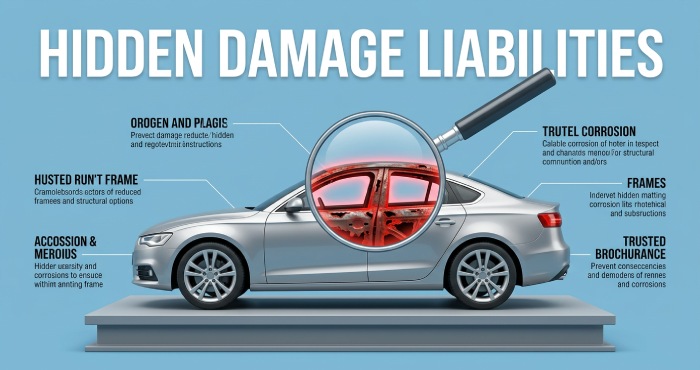
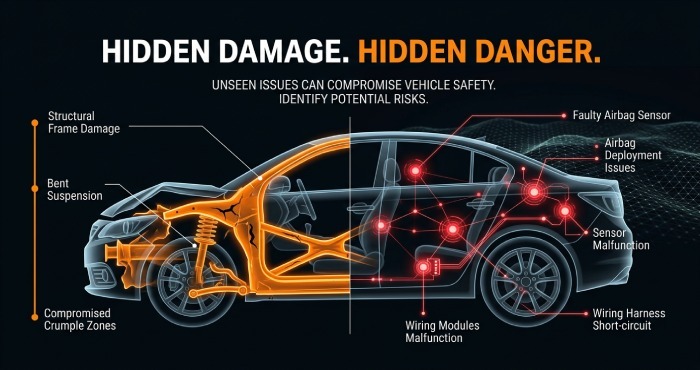
A prior accident can change far more than a vehicle’s resale price. Hidden collision damage may affect crashworthiness, steering, suspension, electronics, braking systems, airbag deployment, frame alignment, and long-term reliability. When a car dealership sells a used car, new car, truck, or SUV while concealing known accident history, the issue may involve auto fraud, dealership fraud, and serious violations of consumer rights.
In High Desert, California, vehicle buyers are not expected to uncover every hidden defect on their own. While the principle of “buyer beware” still applies, California consumer protection laws, warranty regulations, and fraud statutes may provide legal remedies when a dealership misrepresents a vehicle’s condition, conceals important facts, or uses deceptive sales practices during the transaction.
How Undisclosed Prior Accidents Affect Safety
Structural and Mechanical Risks
Frame damage, bent suspension components, misaligned wheels, weakened crumple zones, and poorly repaired body panels can all compromise safety. A car manufacturer designs vehicles to absorb crash energy in specific ways. If collision repairs were done improperly, the vehicle may no longer perform as intended in a second crash.
Airbags, Sensors, and Electrical Systems
Modern vehicles from Tesla, Acura, Audi, BMW, Chevrolet, Ford, Honda, Hyundai, and Kia rely heavily on sensors, cameras, wiring, and computer modules. Prior collision damage can create repeated problems with warning lights, driver-assistance features, airbags, seatbelt pretensioners, and braking systems. If those issues persist despite repair attempts, California lemon law protections may become relevant.
How Accident History Reduces Value and Reliability
A vehicle with undisclosed frame damage or major collision history is often worth significantly less than a comparable clean-title vehicle. Even if repaired, an accident vehicle may have diminished value, premature tire wear, water intrusion, alignment problems, paint failure, and recurring electrical faults.
Reliability Problems After a Vehicle Purchase
Many buyers discover problems only after the contract is signed. They may notice vibration at highway speed, uneven panel gaps, dashboard warnings, or water leaks. In more serious cases, there may be undisclosed flood damage, odometer fraud, or odometer rollback combined with hidden accident history. These issues can support claims for auto fraud, dealership fraud, or violations of warranty laws depending on the facts.
California Dealer Disclosure Duties
California dealers have legal duties not to misrepresent or conceal material facts about a vehicle. A car dealership may not lawfully advertise a vehicle as clean, safe, certified, or accident-free if the dealer knows or should know that the representation is false.
Dealers must also avoid dishonest sales practices involving pricing, financing, title history, vehicle condition, and prior use. If a dealer used a rewritten contract, backdating, inflated fees, or misleading add-ons, those facts may strengthen an auto fraud claim.
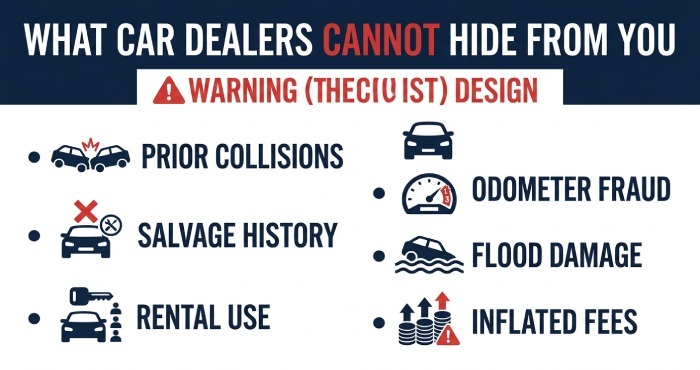
What Dealers Should Not Hide
A dealer may create liability by failing to disclose:
When a car dealership conceals these facts, it may be engaging in dealership fraud or unscrupulous business practices.
What May Qualify as Dealership Fraud
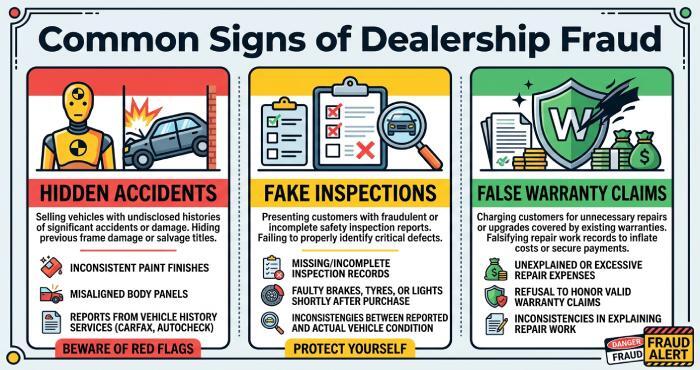
Dealership fraud occurs when a dealer misrepresents, conceals, or manipulates important information to persuade a consumer to buy or finance a vehicle. This can happen through spoken promises, written advertisements, inspection checklists, vehicle history representations, or dealer sales tactics.
Common Examples of Deceptive Sales Conduct
Examples of deceptive sales and auto fraud may include telling a buyer the vehicle was never in an accident, claiming a used car passed a rigorous inspection when it did not, or stating that the vehicle is covered under law or warranty when the dealer knows coverage is limited. A car dealership may also commit dealership fraud by hiding prior damage while charging a premium price.
If the dealer lied about condition, the buyer may have claims under California consumer rights laws, fraud statutes, and warranty laws. An auto fraud attorney or California attorney can evaluate whether the facts support rescission, damages, settlement, or other remedies.
How California Lemon Law May Apply
California lemon law may apply when a vehicle has serious defects that cannot be repaired after a reasonable number of attempts. If hidden accident damage causes ongoing problems—such as electrical issues, steering defects, water leaks, or airbag warnings—while the vehicle is under warranty, the owner may qualify for relief if the defect substantially affects the vehicle’s use, value, or safety.
When Accident Damage Leads to Recurring Defects
A vehicle may be both the subject of auto fraud and a lemon law claim. The dealer’s concealment can support dealership fraud, while failed warranty repair attempts can trigger California lemon law rights against the car manufacturer. In some cases, the car manufacturer may argue that the problems were caused by collision damage rather than factory defects. That is why documentation is critical.
A knowledgeable California Lemon Law Lawyer can analyze whether the facts point to dealer misconduct, a defective vehicle claim, warranty laws, or all of the above.
When to Contact a Lemon Law Lawyer in California
You should contact a lemon law lawyer promptly if you discover undisclosed accident damage, repeated warranty problems, or evidence that a car dealership misrepresented the vehicle’s history. Early legal advice can help preserve evidence, avoid damaging communications, and protect the rights of the buyer.
A qualified attorney can provide honest legal guidance, knowledgeable advice, and a case evaluation to determine whether your claim involves lemon law, California lemon law, auto fraud, dealership fraud, or violations of warranty laws. You may also consult a lemon law attorney for claims involving recurring defects and manufacturer warranty disputes. For brand-specific guidance, some consumers search for resources such as Lemon Law attorney San Diego
A lemon law lawyer can help resolve dealership fraud, evaluate claims against a car manufacturer, and determine whether the defective vehicle qualifies for relief under California lemon law and related warranty laws.
When a leased car turns out to be a lemon car, many California drivers assume a manufacturer buyback ends every financial issue tied to the vehicle lease. In practice, lease-end charges can still appear after a California Lemon Law buyback, especially if the dealer, finance company, or manufacturer has not correctly reconciled the account.
For leased vehicles covered by a manufacturer’s warranty, the key questions are whether the leased car had a substantial defect, whether there was a reasonable number of repair attempts, and whether the consumer’s lemon law claim resulted in a refund, vehicle replacement, or other compensation.
How California Lemon Law Applies to Leased Vehicles
Leased Vehicles Are Covered Under the Song-Beverly Consumer Warranty Act
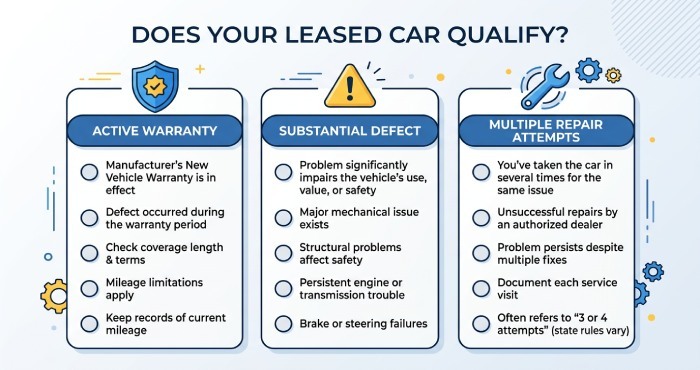
The California Lemon Law, formally tied to the Song-Beverly Consumer Warranty Act, protects many consumers who lease rather than buy. Leased vehicles can qualify when they are covered by the manufacturer’s warranty and have substantial problems that impair vehicle use, vehicle value, or vehicle safety.
A leased car may qualify if a substantial defect arises during warranty coverage and the manufacturer or authorized repair facility cannot fix it after a reasonable number of repair attempts. This is true for many brands, including Mercedes, BMW, and Mini Cooper models, as well as some used vehicles or certified pre-owned vehicles if the manufacturer’s warranty remains active.
Defect Criteria and Repair Attempts Matter
To bring a strong lemon law claim, the defect criteria must be clear. The issue should not be minor or cosmetic; it should involve a substantial defect, recurring malfunction, safety issues, or vehicle use impairment. A reasonable number of repair attempts depends on the facts, but repeated visits to a dealership, repair facility, or repair shop for the same concern can support the claim.
Special Situations: Business Vehicles and Military Members
Some business vehicles may qualify if they meet statutory limits. Members of the U.S. Armed Forces may also have important protections depending on where the vehicle was purchased, leased, registered, or used. Because leased vehicles involve both a lease agreement and warranty rights, legal counsel can help evaluate eligibility.
What Happens to Your Lease After a Manufacturer Buyback
Buyback, Replacement Vehicle, or Purchase Refund
If a California lemon law claim is successful, the manufacturer may provide a vehicle repurchase, replacement, or other compensation. For leased vehicles, remedies often include reimbursement of lease payments, recovery of the down payment, and satisfaction of the remaining lease balance, subject to any applicable mileage offset. An experienced lemon law attorney can review the warranty and repair history to determine whether the vehicle qualifies for a full remedy under California Lemon Law.
Termination of Lease and Account Reconciliation
A buyback should usually result in termination of lease obligations tied to the defective vehicle. However, early lease termination language in the lease agreement can create confusion if the finance company’s system automatically assesses charges. That does not always mean the fees are valid.
What the Manufacturer Should Address
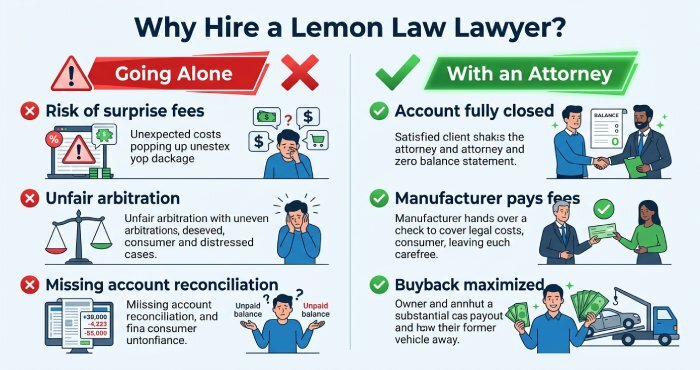
The manufacturer should coordinate with the leasing company to close the account, remove improper balances, and process the buyback correctly. A lemon law lawyer can assist with manufacturer negotiations, manufacturer notification, and the legal process so the consumer is not left disputing lease-end invoices alone.
Arbitration May Not Resolve Every Lease Charge
Some manufacturers encourage arbitration, but arbitration may not fully address all lease accounting issues. Before agreeing to arbitration or signing a release, lessees should understand how the lemon law claim affects lease-end charges, attorney fees, and any remaining balance.
Common Lease-End Charges Drivers May Still See
Mileage, Wear, and Disposition Fees
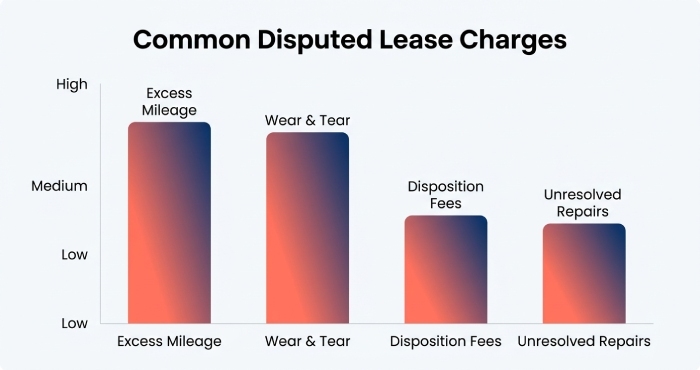
Even after a California Lemon Law buyback, lessees may see invoices for excess mileage, excess wear, disposition fees, missing equipment, or inspection charges. These charges are common in ordinary leased vehicles, but a leased car subject to a lemon law claim requires closer review.
Repair, Damage, and Inspection Charges
Drivers may also see charges for body damage, tire wear, interior wear, or repairs allegedly needed before resale. These charges can be especially frustrating when the same dealership or repair shop repeatedly fails to fix the defective vehicle under the manufacturer’s warranty.
Charges That Deserve Scrutiny
Fees deserve scrutiny when they relate to the same substantial defect, result from failed repair attempts, or arise after the manufacturer agreed to a buyback. A lemon law attorney can compare repair records, inspection reports, and the lease agreement to determine whether the charges conflict with the California Lemon Law resolution.
Lease-End Charge and Lemon Law Trends at a Glance
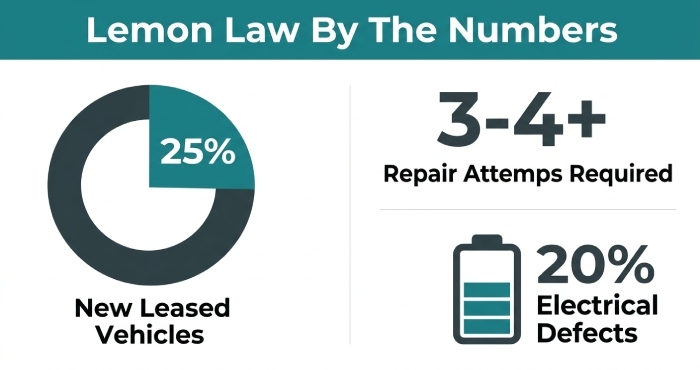
Lease-End & Lemon Law Statistics
Figure
New vehicles leased in the U.S.
About 25% of new vehicle transactions
Lemon law claims involving recurring repairs
Most involve 3–4+ repair attempts
Vehicle defects linked to electrical systems
Over 20% of reported vehicle problems
Common disputed lease-end charges
Mileage, wear-and-tear, and disposition fees
Consumers who seek legal help achieve faster resolutions
Many claims settle before trial
Why Working With a California Lemon Law Lawyer Can Protect Lessees
A Lawyer Can Review the Buyback and Lease Charges Together
A California Lemon Law case involving leased vehicles is not just about proving the car is defective. It is also about making sure the buyback, termination of lease, and account reconciliation are handled correctly. A lemon law lawyer can review the manufacturer’s warranty, repair attempts, lease agreement, and final invoice to protect lessee rights.
Because the manufacturer often pays attorney fees in successful cases, many consumers can pursue legal representation without paying hourly fees upfront. Many firms also offer a free consultation. Drivers searching for the California lemon law lawyer should look for experience with leased vehicles, manufacturer negotiations, and post-buyback lease disputes.
Choosing Legal Representation in California
An experienced California lemon law attorney can help determine whether a leased vehicle qualifies under the state’s Lemon Law, evaluate refund or replacement options, and identify improper lease-end charges. When researching legal assistance, consumers should focus on an attorney’s experience with leased vehicle claims and California lemon law procedures.
For location-specific help, some drivers consult a California lemon law attorney or compare San Diego lemon law attorneys when a lemon law claim involves lease-end charges, a manufacturer’s warranty dispute, a substantial defect, a reasonable number of repair attempts, or a request for vehicle replacement.