
How California Lemon Law Applies to Flood- or Wildfire-Damaged Vehicles
The California lemon law may protect buyers when a vehicle has defects covered by the manufacturer’s warranty that cannot be repaired after a reasonable number of attempts. In disaster-damage cases, the issue is whether the problem results from a manufacturing defect, undisclosed prior damage, or both.
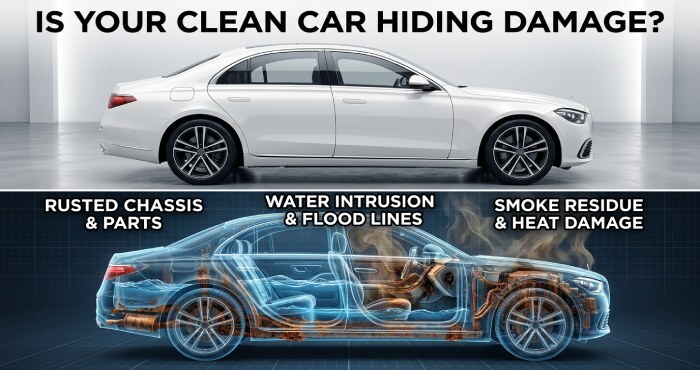
Flood-damaged vehicles may develop electrical failures, faulty airbag sensors, corrosion, and persistent odors. Wildfire-damaged vehicles may have smoke residue, ash contamination, melted components, or hidden fire-related repairs. These problems can affect vehicle safety, reliability, and usability.
When Disaster Damage Becomes a Warranty Problem
The California lemon law generally covers warranty-related defects rather than a vehicle’s damage history alone. However, buyers may have legal protections when a used vehicle carries an active manufacturer, certified pre-owned, or dealer-backed warranty and repeated repair attempts fail. The Magnuson-Moss Warranty Act may also provide remedies for breaches of written warranty obligations.
Flood, Fire, and Smoke Facts That Matter
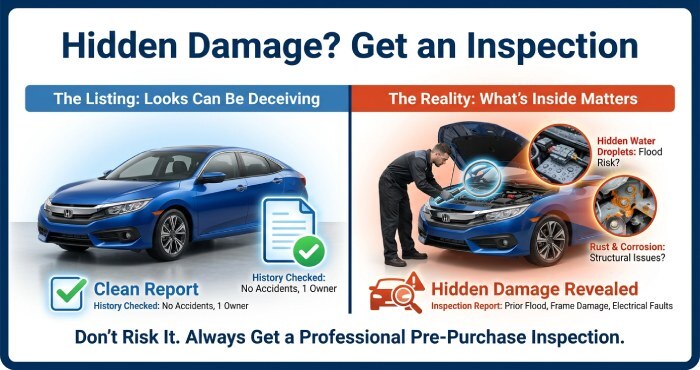
A vehicle history report from CARFAX or the National Motor Vehicle Title Information System (NMVTIS) may reveal previous damage claims, auction records, or branded titles. However, delayed reporting and title washing can hide flood damage or salvage history.
Buyers should not rely on a clean vehicle history report alone. A professional mechanic’s inspection is also important, particularly for used vehicles previously registered in disaster-affected areas.
Lemon Law vs. Dealer Fraud: Key Differences for Disaster-Damaged Cars
The California lemon law and dealer fraud claims address different misconduct. California lemon law claims usually target manufacturers or warranty providers when substantial defects cannot be repaired. Dealer fraud claims target a car dealership or seller that misrepresented, concealed, or failed to disclose material facts about the vehicle.
Dealer fraud may involve:
- Hiding a salvage title or flood title
- Failing damage disclosure obligations
- Selling hazardous vehicles as safe transportation
- Advertising certified pre-owned status despite known vehicle flood damage
- Altering paperwork to conceal flooded vehicles
- Participating in title washing across state lines
California law prohibits dealers from concealing known material defects. The Bureau of Automotive Repair (BAR), DMV, NHTSA, insurance investigators, and law enforcement may become involved when vehicle fraud or misconduct is suspected.
Required Disclosures When Reselling Flood, Smoke, or Fire-Damaged Vehicles in California
In California, sellers must disclose known vehicle flood damage, salvage or flood titles, and prior insurance total-loss history because these facts affect a vehicle’s value, safety, and insurability. Hiding such damage or using title washing to conceal a branded title can mislead buyers and violate disclosure requirements.
Records, Auctions, and Repair Paper Trails
Useful evidence may include auction listings, insurance records, repair invoices, and reports from licensed repair dealers. Buyers can also review vehicle history reports, recall records, and insurance databases to identify possible flood damage, title issues, or undisclosed repairs.
Why a Clean Report Is Not Enough
A vehicle history report should be reviewed, but it should not be treated as conclusive. A vehicle history report may miss auction notes, prior flood title events, or title washing. Flood-damaged cars and wildfire-damaged cars may be cosmetically restored before information reaches databases. That is why disclosure requirements and independent inspections matter.
Warning Signs a Used Car Has Hidden Disaster Damage
A careful inspection can reveal signs of flood damage or fire exposure before a buyer commits.
A practical vehicle inspection checklist should include:
- Musty odor, mildew, or chemical deodorizer smells
- Moisture in headlights or taillights
- Dampness under seats, carpets, or trunk liners
- Rusty wiring, corroded seat tracks, or silt in crevices
- Mold and bacteria in HVAC vents or carpeting
- Airbag sensors or warning lights behaving erratically
- Computer system malfunction or unexplained electrical faults
- Smoke smell, soot residue, warped trim, or melted clips
- Inconsistent paint, replaced interior panels, or missing labels
Flooded vehicles can pose health and safety risks due to mold, bacteria, and damaged brakes, steering, or airbag systems. Buyers should seek a qualified mechanic’s inspection and watch for warning signs such as unusually low prices, recent arrivals from disaster zones, or gaps in ownership records, as these may indicate hidden flood damage.
Legal Remedies for California Buyers: Repurchase, Compensation, and Fraud Claims
California buyers may have several legal options depending on the facts. Under the California lemon law, remedies may include repurchase, replacement, reimbursement of payments, registration costs, incidental damages, and attorney’s fees when the manufacturer fails to repair covered defects. A buyer dealing with repeated failures in a warranted used vehicle should consult a lemon law attorney promptly, because repair orders and warranty timelines are critical.
For Southern California consumers, a lemon law attorney in San Diego can evaluate whether repeated defects in flood-damaged cars, smoke-damaged vehicles, or reconditioned vehicles support warranty claims. Buyers statewide may also consult a California lemon law lawyer when California lemon law remedies overlap with dealer fraud, title washing, or disclosure requirements. If the disaster-damaged asset is a motorhome or recreational vehicle, an rv lemon law attorney may assess whether the RV’s warranty, electrical systems, plumbing, or structural defects qualify for relief.
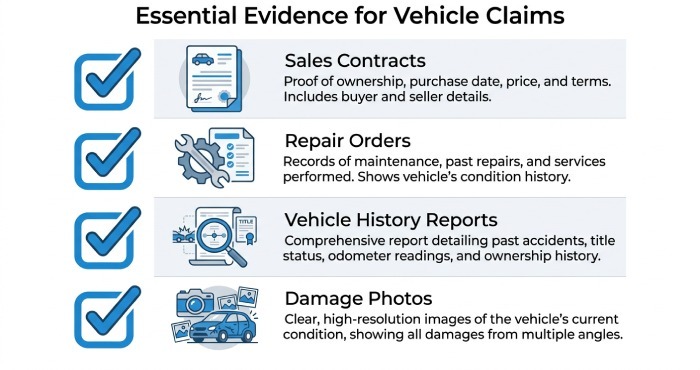
Buyers should preserve:
- Sales contracts and financing documents
- All advertisements and certified pre-owned representations
- The vehicle history report provided before purchase
- Independent vehicle history report results obtained later
- Repair orders from any automotive repair dealer
- Photos showing water damage, fire damage, mildew, or corrosion
- Communications with the dealership, manufacturer, or insurance company
- Inspection results documenting vehicle flood damage or smoke contamination
A voided warranty defense may arise if a manufacturer claims defects were caused by pre-sale disaster damage rather than a manufacturing defect. That defense does not necessarily defeat all claims. It may instead support fraud allegations if the used vehicle was sold without proper damage disclosure. In other words, the California lemon law may address failed warranty repairs, while fraud law may address the undisclosed history of flood-damaged cars, flooded vehicles, title washing, salvage title branding, or a hidden flood title.