
Short Answer: Are Luxury Vehicles Treated Differently Under California Lemon Law?
No—the Song-Beverly Consumer Warranty Act applies equally to luxury vehicles and non-luxury models. There is no separate category in the statute for luxury cars. What changes in practice are the dollars at stake, the complexity of technology that drives longer repair times, and how premium pricing affects refunds, mileage offsets, and incidental damages.
Whether you drive a Lexus LS460, a Mercedes-Benz S-Class, a BMW 7 Series, an Audi A8, or a Cadillac CT6, the key questions remain the same: Is the vehicle covered by a manufacturer warranty, did the automaker or its dealership have a reasonable number of opportunities to fix qualifying car issues, and has the defect substantially impaired use, value, or safety?
What California’s Lemon Law Covers
- Gross vehicle weight rating: Covered vehicles are under 10,000 lbs GVWR. That includes most sedans, SUVs, and light-duty trucks, but not heavy commercial rigs. RV motorhomes have special chassis/drive component rules.
- Covered status: New, used, or leased vehicles are eligible if sold with an express manufacturer warranty (including certified pre-owned and demonstrators) and repaired at an authorized car dealership.
- Reasonable repair attempts: The statutory presumption generally looks at repair attempts and total days out of service within 18 months/18,000 miles. Benchmarks include 2+ attempts for a defect likely to cause serious injury, 4+ for the same problem, or 30+ cumulative days out of service.
- Remedies: If the presumption is met (or even without it), consumers may seek repurchase, replacement, or cash compensation, plus taxes, fees, towing, rental, and incidental damages.

Who Qualifies: Personal Use and Small Businesses
- Personal use: Consumers using the car primarily for personal, family, or household purposes qualify.
- Small business use: Businesses with no more than five vehicles registered in California can qualify if the involved vehicle is under 10,000 lbs GVWR. This extends lemon protections to many owner-operators and boutique firms that rely on luxury vehicles for client-facing work.
No Separate Category for Luxury Cars—But Practical Differences
Although the law may group luxury vehicles into the same category, the real experience of owning a high-end car often requires a skilled lemon law attorney to handle the unique challenges that can arise.
- Price amplifies outcomes: A higher MSRP influences repurchase totals and mileage offsets.
- Complexity creates delays: ADAS suites, performance drivetrains, and bespoke interiors can require specialized parts or software calibrations, increasing downtime.
- Vehicle reliability debates: Even among trusted brands, premium tech can create electrical glitches and intermittent car issues that are harder to replicate, test, and validate.
This means claims involving luxury cars often involve more extensive documentation, longer service visits, and negotiations over what constitutes substantial impairment of value and safety.
Price, Refunds, and Mileage Offset in High-End Claims
Repurchase for luxury cars generally includes:
- Down payment, monthly payments, taxes, registration, and official fees.
- Incidental damages like towing, rentals, and reasonable car maintenance–related expenses tied to the defect.
- A mileage offset deduction based on the price and miles driven before the first repair attempt, often calculated as price × (miles to first repair / 120,000). With higher-priced luxury vehicles, that deduction can be sizable.
Add-ons (service contracts, coatings), negative equity from trade-ins, and lease-specific charges can complicate calculations. Because luxury vehicles tend to have higher maintenance costs and cost to maintain, documenting every out-of-pocket expense is essential to prevent a financial nightmare.
Repair Realities for Luxury Vehicles: Parts, Software, and Downtime
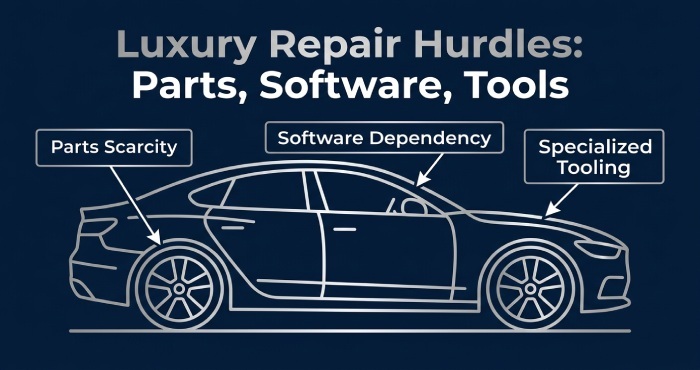
- Parts scarcity: Air suspension components, carbon-ceramic brake parts, or bespoke interior pieces for popular models can have long lead times, pushing a vehicle over 30 cumulative days out of service.
- Software dependency: Infotainment, ADAS sensors, and control modules require calibrations and updates that can expose new electrical glitches or failing tech. These can cascade into breakdowns if not diagnosed holistically.
- Specialized tooling: Performance drivetrains and EV battery systems demand expert tooling and procedures available only at select dealership locations, which complicates logistics for senior drivers or rural owners.
Even owners of reliable luxury cars can face sky-high repairs if intermittent engine problems or charging faults evade quick fixes. Keep in mind how the claim timeline intersects with warranty coverage and any period after warranty if the defect began under the car warranty but continued thereafter.
Weight, RV, and Gray‑Market Caveats
- Weight limits: If your SUV or specialty build exceeds 10,000 lbs GVWR, lemon coverage may not apply. Many luxury SUVs and sedans remain under the threshold, but confirm your specific model.
- RV components: Motorhome chassis and powertrain may qualify, but the “house” systems typically do not.
- Gray‑market imports: Luxury vehicles not originally manufactured for U.S. sale may face parts, software, and warranty verification issues that complicate claims.

High-End Defects That Commonly Trigger Claims
- Issues with ADAS, Infotainment, and Electrical Systems: Advanced technologies such as lane-keeping assistance, adaptive cruise control, and infotainment platforms can encounter malfunctions, including display failures, malfunctioning sensors, or erroneous notifications. Even sporadic problems can compromise safety, dependability, and the premium experience that consumers anticipate.
- Challenges with Air Suspension, Drivetrains, and Engine Performance: Failures in air suspension, hesitation in drivetrains, or engine complications such as misfires and excessive oil consumption can significantly impact both performance and comfort. Persistent issues within brands like BMW, Mercedes-Benz, Audi, or Cadillac can bolster claims under lemon laws.
- Concerns with EV Batteries, Charging Mechanisms, and Interior Quality: Deterioration of batteries, issues with charging, or battery drain can weaken the reliability and practicality of electric vehicles. Furthermore, challenges such as water leaks, excessive wind noise, or misaligned panels can detract from the high-quality finish expected in luxury vehicles and may be regarded as defects.
What Counts as Substantial Impairment for Luxury Owners
- Safety: Braking anomalies, steering pulls, ADAS malfunctions, and charging faults.
- Use: No-start conditions, frequent limp mode, infotainment reboot loops, or HVAC that won’t maintain temperature.
- Value: Persistent rattles, water leaks, or trim separation in a flagship can cause plummeting value, particularly in used luxury cars and pre-owned luxury vehicles markets where buyers expect quality vehicles from trusted brands.
Luxury buyers often research CarEdge ownership costs, WhiteBoard Finance budgeting insights, and automotive advice across YouTube channels (e.g., the SUV geek, Lexus Central, SUV Zone, SUV Detective, Car Guide). These sources, along with AutoValue Hub, AutoNexus, Good Old Things, Japanese Machines, and UNSORTED, frequently discuss longevity, most reliable models, and what’s worth owning for decades versus millionaire cars and cheap luxury cars that hide expensive repairs.
Proving Your Case: Evidence, Timelines, and Arbitration
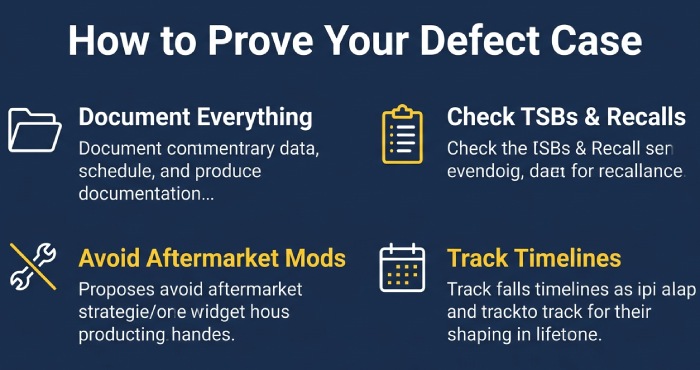
- Document everything: Keep repair orders, service advisor notes, and communications with the car dealership or dealership group (from local stores to Ray Catena Auto Group). Video symptoms, use telematics snapshots, and log dates/miles.
- Check TSBs and recalls: Technical service bulletins help prove known car issues, from failing tech to recurring electrical glitches. Bring credible references (CarEdge reliability data, Toyota/Lexus communications, or brand forums) to support your narrative.
- Avoid mods: Aftermarket tunes, non‑OEM parts, or alterations complicate causation—especially for engine problems, drivetrains, and ADAS. Maintain strict car maintenance records to bolster vehicle reliability claims.
- Timelines: California’s statute of limitations is generally four years from discovery of the breach. Arbitration is optional; some programs are faster but not always consumer‑friendly. Track time in and out of service carefully, including days after warranty if the defect originated during the warranty period.
Remedies and Strategy for Luxury-Car Lemon Claims
For luxury vehicles, an effective strategy for a lemon law claim involves documenting repeated defects, working with a qualified lemon law attorney, and pursuing remedies like replacement, refund, or cash compensation under applicable laws.
- Remedy options:
-
-
- Buyback (repurchase): Return the vehicle; receive payments and fees back minus mileage offset.
- Replacement: Accept a comparable new model; review how trim, options, and car value are matched.
- Cash‑and‑keep: Monetary compensation while you keep the car; useful when defects are intermittent or fixed late, including scenarios after warranty.
- Money details: Include taxes, registration, finance charges, and incidental damages. Account for negative equity, service contracts, and add‑ons. For leases, address rent charges, disposition fees, and early termination procedures.
- Penalties and fees: If the manufacturer willfully violates the law, civil penalties may apply. Prevailing consumers can recover attorney’s fees, which shifts leverage in negotiations.
-
- Negotiation tips:
-
-
- Be organized and factual; emphasize repeated repair attempts and cumulative days.
- Compare your model’s vehicle reliability against segment benchmarks for SUVs and sedans.
-
- Cite how ongoing defects risk breakdowns, elevate maintenance costs, and create a financial nightmare—particularly when sky-high repairs loom and the cost to maintain rises well beyond norms.
-
- Consider whether the model is outliving badges in terms of longevity and reputation among reliable luxury cars from Lexus or Toyota versus rivals.
- When to seek counsel: Complex luxury claims benefit from experienced guidance. For direct help, consult lemon law lawyers. If you prefer a local resource, a San Diego Lemon Law attorney can assess buyback, replacement, or cash outcomes, including cases involving used luxury cars and pre-owned luxury vehicles.
Practical perspective: Enthusiasts often trust Lexus models like the Lexus LS460 for reliability, but even these cars can face electrical or engine issues. When buying older or cheaper luxury cars, remember modern vehicles rely heavily on software and sensors, making proper maintenance essential. Always keep records, act within warranty, and protect your rights if problems arise later.