
If your car starts having persistent issues one after another, it might feel like you’re caught in a never-ending loop of repairs. According to the Lemon Law, if a series of defects emerge that significantly affect your vehicle’s usability, value, or safety and the manufacturer doesn’t resolve these problems after a reasonable number of tries your car could be classified as a lemon.
A knowledgeable lemon law attorney can assess your repair records, identify whether you qualify, and assist you in navigating the claims process for a refund or replacement.
Overview: When problems stack up over months or miles
Multiple issues that crop up over time can make even a new motor vehicle feel like a constant project. Under California lemon law, a pattern of recurring or serial defects can qualify for relief even when the defects are different, provided they arise under the manufacturer’s warranty and the automobile manufacturer had reasonable repair attempts to fix them.
In practice, successful lemon law claims often hinge on showing that the vehicle defect pattern taken cumulatively substantially impairs the use, value, or safety of the vehicle and that you followed the procedures set out in the Song-Beverly Consumer Warranty Act and the Tanner Consumer Protection Act.
When the legal thresholds are met, remedies generally require the manufacturer to repurchase or replace the defective vehicle. Working with experienced lemon law lawyers can help ensure every repair visit, each day the vehicle is out of service, and all communications with the manufacturer are properly documented, often making the difference in securing full California lemon law relief.

Defining “Multiple Defects” Under Lemon Laws
Eligibility under California statutes
California Civil Code sections in the Song-Beverly Consumer Warranty Act define covered vehicles and core consumer protection rights. If your retail purchase or lease agreement placed you under a new vehicle warranty or other written warranty, and you reported the nonconformities during the warranty period, you may pursue lemon law claims. California lemon law protection extends to many passenger vehicles under a gross vehicle weight threshold, with certain motor home exclusion nuances for living quarters.
What counts as “reasonable repair attempts”
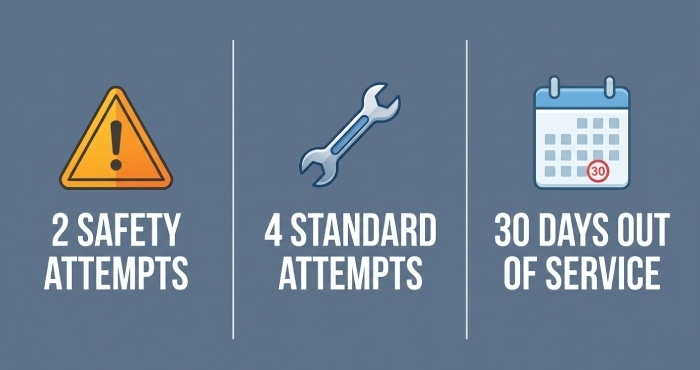
Under the Tanner Consumer Protection Act’s presumption, reasonable repair attempts may be established by:
- Two or more repair attempts for a defect that could cause death or serious bodily injury,
- Four or more repair attempts for the same nonconformity, or
- More than 30 cumulative days out of service for repairs during the first 18 months or 18,000 miles.
While this is a rebuttable presumption, it offers a powerful framework for lemon law claims focused on multiple and intermittent defects.
Mixing different defects still counts
Even if issues differ e.g., a transmission shudder, infotainment reboots, and brake pulsation the cumulative effect may still substantially impair the vehicle’s use, value, or safety. California lemon law does not require one single defect to dominate the record if the serial issues collectively meet the standard after reasonable repair attempts.
Building a Strong Timeline and Record
Repair orders and comprehensive repair history
Keep legible copies of every repair order. Confirm that the service advisor captured your symptoms accurately. Your repair history should reflect the dates, mileage, diagnostic steps, parts replaced, and outcomes. If you pursued a warranty claim and the dealer noted “no problem found,” keep that order too; it still shows a repair attempt.
Days out of service and cumulative impact
Track every day the vehicle was out of service. Under California lemon law and the Tanner Consumer Protection Act presumptions, cumulative downtime can by itself support relief, especially within the first 18 months/18,000 miles. Note whether a replacement vehicle or loaner was provided; the downtime still counts toward “out of service” for lemon law purposes.
Intermittent issues and data logs
Intermittent defects often require owner-generated evidence. Use photos, videos, connected vehicle app logs, or dash-cam data to corroborate symptoms. Reference the owner’s manual if it describes relevant warning lights or procedures, and bring those notes to each visit.

Process matters. Courts look at whether you followed steps that allow the manufacturer a final, fair chance to fix the problem.
Final repair opportunity under Tanner
To access the Tanner Consumer Protection Act presumptions, you typically must give written notice and a final opportunity to repair to the manufacturer’s representative. Certified mail helps prove compliance. This step can be critical before you file a complaint or escalate a warranty dispute.
TSBs, recalls, and “no problem found”
Ask the service department to check for technical service bulletins (TSBs) or recalls from brands like Ford, Volkswagen, or Audi. If you receive “no problem found,” request that the advisor note all reported symptoms. Repeated “no problem found” entries still count as repair attempts in many lemon law claims if the symptoms keep returning.
Mind the warranty obligation
Ensure each visit falls under the manufacturer’s warranty period or is documented as a warranty claim. If the warranty period is close to expiring, schedule service promptly to preserve your warranty obligation rights.
Filing the Claim and Seeking Remedies
When repair attempts fail and the vehicle defect pattern persists, you can pursue dispute resolution through arbitration or court.
Arbitration, mediation, and BBB AUTO LINE
Many automobile manufacturers participate in BBB AUTO LINE, an arm of BBB National Programs. This forum offers mediation and arbitration designed for warranty dispute cases. You can also file a complaint in court if arbitration is nonbinding or unsuitable. Either way, strong documentation drives dispute resolution outcomes.
Evidence package and presentation
Your evidence package should include:
- Chronological repair history and all repair orders,
- Proof of days out of service and loaners,
- Photos/videos/logs of intermittent issues,
- The written warranty and new vehicle warranty booklets,
- Correspondence with the manufacturer’s representative,
- Proof of retail purchase or lease agreement and current mileage.
What to include for damages and remedies
- Proof of payments, taxes, and fees for calculating the refund option or buyback,
- Mileage at first repair attempt for mileage offset computations,
- Any incidental damages allowed by the Song-Beverly Consumer Warranty Act.
Digital records tip
Export service records from dealership portals and keep backups.
Remedies: repurchase or replace, or cash
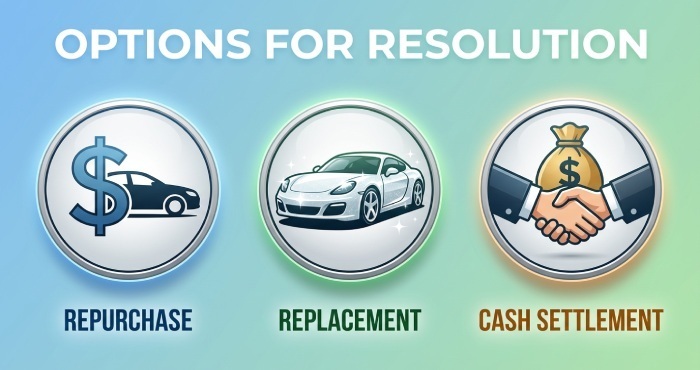
If you prevail, California lemon law generally requires the manufacturer to repurchase or replace the vehicle. You may choose a replacement vehicle or a refund option (buyback), subject to a mileage offset. In some cases, a cash-and-keep settlement addresses diminished value when repurchase or replace is not pursued.
Pitfalls and Special Situations
Avoid common mistakes that can weaken lemon law claims involving multiple defects.
Leased and used vehicles; modifications
California lemon law can cover leased vehicles and some used covered vehicles still under a manufacturer’s warranty. Aftermarket modifications that cause or contribute to a defect may undermine manufacturer liability, so disclose any changes.
Warranty expirations and Magnuson-Moss alternatives
If your warranty has expired, consider federal protections under the Magnuson-Moss Warranty Act. It can supplement state remedies where a written warranty existed and repair attempts were unreasonable.
State variations and exclusions
States vary on thresholds and remedies. Some have motor home exclusion provisions or different gross vehicle weight limits. California’s Song-Beverly Consumer Warranty Act and Tanner Consumer Protection Act are among the nation’s most robust, but always check local rules if you are full-time active-duty Armed Forces stationed in California with an out-of-state purchase, as special protections may apply.
California-Specific Nuances and Statutes
California’s framework is anchored by the California Civil Code.
Song-Beverly Consumer Warranty Act highlights
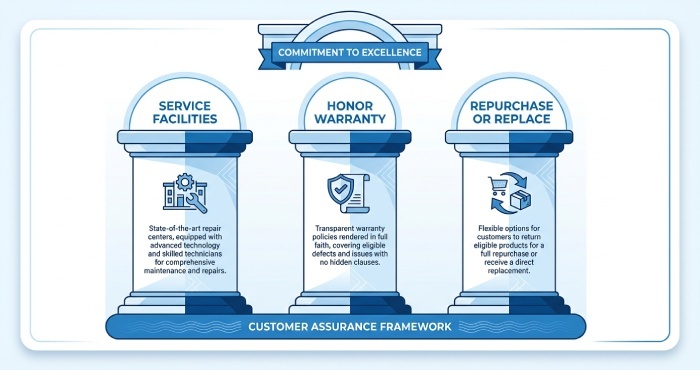
The Song-Beverly Consumer Warranty Act mandates that manufacturers maintain service facilities, honor the warranty obligation, and, when reasonable repair attempts fail, repurchase or replace the vehicle. Multiple or intermittent defects count if they substantially impair use, value, or safety.

Tanner Consumer Protection Act procedures
The Tanner Consumer Protection Act supplies presumptions for lemon law claims and clarifies final-repair-opportunity notice. Following Tanner’s steps can streamline arbitration or litigation and support a faster repurchase or replace outcome.
Interacting With Manufacturers and Dealers
Professional, documented communication can ease resolution.
Roles and responsibilities
- Manufacturer’s representative: Coordinates escalated repair attempts and buyback evaluations.
- Dealer service department: Documents repair attempts and applies TSBs and recalls.
- Automobile manufacturer: Ultimately responsible for warranty claim decisions and remedies.
Mentioning brands like Ford, Volkswagen, or Audi helps underline that the same California lemon law standards apply across major manufacturers when a vehicle defect persists after reasonable repair attempts.
Documentation Checklist and Practical Tips
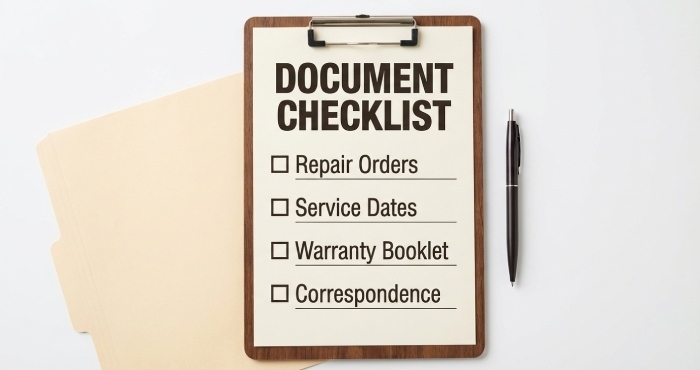
- Keep every repair order and summarize patterns by date and mileage.
- Track out of service days precisely; note to/from dates and loaners.
- Preserve texts/emails with the dealer and the manufacturer’s representative.
- Use the owner’s manual to articulate symptoms clearly at service visits.
- Send certified notice for a final repair attempt under Tanner before you file a complaint.
Industry Self-Regulation and Consumer Channels
Alongside statutory remedies, consumers may also explore dispute resolution programs such as BBB National Programs, which administers BBB AUTO LINE for warranty arbitration and mediation. While these avenues do not replace formal claims under the California Lemon Law, an experienced California lemon law attorney San Diego can help determine whether arbitration, direct manufacturer negotiations, or litigation is the most effective path to secure a refund or replacement.