If your car dealership shuts down, files for dealer bankruptcy, or simply goes out of business, your first concern may be whether your vehicle warranty is still valid. In most cases, the answer is yes—especially if your coverage is a manufacturer’s warranty, factory warranty, OEM warranty, or certified pre-owned warranty backed by the auto manufacturer. A dealership closes, but the vehicle manufacturer, warranty company, or service contract company may still be responsible for eligible repairs.
The key is identifying what type of car warranty you have, who backs it, and where you can obtain warranty service. Your next steps will differ depending on whether your warranty coverage comes from Ford, Toyota, Honda, Jeep, Kia, General Motors, GM, another automaker, a local dealer, or a third party warranty provider.
Why Your Vehicle Warranty Usually Remains Valid After a Dealership Closes
A vehicle warranty generally follows the vehicle—not the individual car dealership that sold it. When a dealership closes, your manufacturer’s warranty and factory warranty typically remain enforceable because they are issued by the vehicle manufacturer or OEM, not the local automotive dealership.
For example, if you bought a Ford, Toyota, Honda, Jeep, Kia, or GM vehicle from a car dealership that later shuts down, your factory warranty may still cover eligible warranty repair at another authorized dealership for that car brand. The same usually applies to a powertrain warranty, bumper-to-bumper warranty, emissions warranty, corrosion warranty, roadside assistance benefits, and certain certified pre-owned protections, as long as the warranty terms have not expired.
A manufacturer’s warranty is tied to the vehicle identification number, commonly called the VIN. Any authorized dealership can usually look up your vehicle warranty status using the vehicle identification number and confirm warranty expiration dates, open recalls, and available warranty coverage. This is why a dealership closes without automatically ending your manufacturer’s warranty, factory warranty, or OEM warranty.
That said, a warranty issue can arise if your coverage was not backed by the automaker. Some benefits are dealership-specific, tied to dealer incentives, or sold by a car salesperson as a separate extended warranty or service contract. In those cases, you need to review your warranty paperwork carefully and identify the warranty company, warranty provider, or service provider responsible for the claims process.
Manufacturer Warranty vs. Dealership-Specific Warranty: Key Differences
Understanding the difference between a manufacturer’s warranty and a dealer warranty is essential when a car dealership closes. Not all warranty coverage is created equal, and not every promise made by a dealer survives when the dealership is out of business.
Factory, OEM, and Certified Pre-Owned Coverage
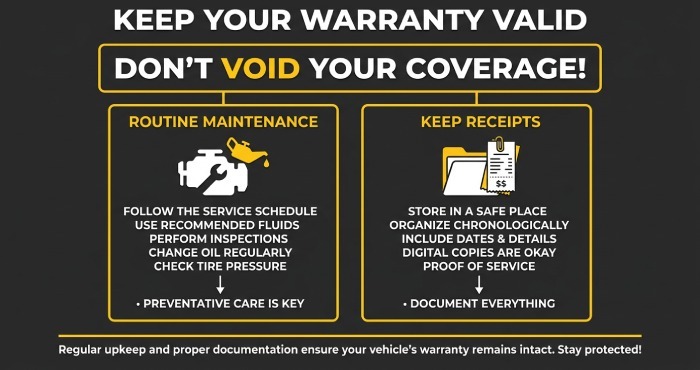
A manufacturer’s warranty, factory warranty, or OEM warranty is issued by the vehicle manufacturer. These warranties are usually honored nationwide through an authorized dealership network. If one authorized dealership closes, another authorized dealership for the same car brand can typically perform warranty service and submit a warranty claim directly to the automaker.
Certified pre-owned vehicles may also include manufacturer-backed warranty coverage. However, the warranty agreement should be reviewed for any warranty transfer rules, mileage limits, warranty expiration dates, deductibles, or exclusions. Some certified pre-owned programs include a powertrain warranty, limited bumper-to-bumper warranty, roadside assistance, or rental car reimbursement during covered repairs.
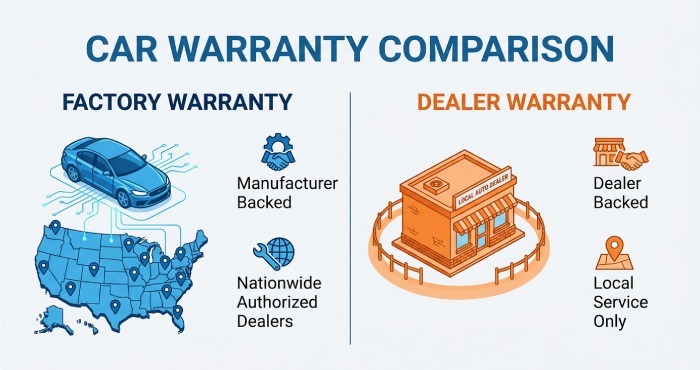
To keep your vehicle warranty intact, continue routine maintenance and keep receipts. Failure to maintain the vehicle can create a warranty void dispute, particularly if the automaker claims the mechanical breakdown resulted from neglect rather than a covered defect.
Dealer Warranty, Extended Warranty, and Service Contract Risks
A dealer warranty covers specific repairs or perks offered by the selling dealer, but these benefits may be lost if the dealership closes and no other entity assumes responsibility. An extended warranty or service contract may remain valid if the warranty company is still active. In that case, you can contact the warranty company directly and use an approved repair shop, authorized dealership, or certified mechanic for covered repairs.
If you are in California and believe a dealership closure, manufacturer, or warranty company is affecting your rights regarding a covered vehicle defect, you can explore legal guidance from McMillan Law Group. You may also consult a California lemon law lawyer about your options. If you own a motor home with recurring defects, an RV lemon law attorney may help you understand your potential legal remedies.
If a recurring vehicle defect remains unresolved despite multiple repair attempts, a lemon law attorney can help you understand your legal rights and determine whether you may qualify for compensation under California Lemon Law.
How to Find Authorized Service, Protect Coverage, and Resolve Warranty Issues
- Confirm who backs the warranty.
Review your warranty paperwork, purchase documents, and warranty agreement. Determine whether you have a manufacturer’s warranty, factory warranty, dealer warranty, extended warranty, or service contract. If the coverage is manufacturer-backed, contact the auto manufacturer or visit the brand’s website to locate an authorized dealership. - Use your VIN to verify coverage.
Call the vehicle manufacturer or another authorized dealership and provide your VIN. Ask them to confirm warranty coverage, warranty expiration, open recalls, certified pre-owned status, and whether the repair is eligible for warranty service. - Locate an approved repair facility.
For a manufacturer’s warranty or factory warranty, you will usually need an authorized dealership. For an extended warranty or service contract, the warranty company may allow an independent repair shop or certified mechanic. Always obtain preauthorization before starting a warranty repair, because many service contract companies deny claims if the claims process is not followed. - Contact the warranty company directly.
If you paid for an extended warranty, third party warranty, or service contract, call the warranty company listed in your paperwork. Ask whether the policy is active, which repair shop can perform the work, whether diagnostic charges are covered, and whether benefits include roadside assistance, rental car reimbursement, or towing after a mechanical breakdown. - Ask about a warranty refund if coverage was never activated.
If the car dealership closed before submitting your extended warranty or service contract payment, you may be entitled to a warranty refund or other legal recourse. Your lender may also have records if the cost was financed with the vehicle.
A dealership closes, but that does not automatically erase your vehicle warranty. The practical answer depends on whether the warranty coverage is backed by the manufacturer’s warranty, factory warranty, extended warranty, service contract, warranty company, or local car dealership. By identifying the responsible party, contacting an authorized dealership, and following the correct claims process, a car owner can often preserve coverage and obtain the warranty repair they were promised.