Luxury vehicles are expected to deliver premium performance, reliability, and safety, but repeated warranty-covered defects can leave owners frustrated. Before pursuing a California Lemon Law claim, understanding and avoiding common mistakes can help protect your rights and improve your chances of obtaining a buyback, refund, replacement vehicle, or other available remedies.
Mistake #1: Waiting Too Long to Act After Repeated Luxury Car Repairs
Why delay can damage your lemon law case
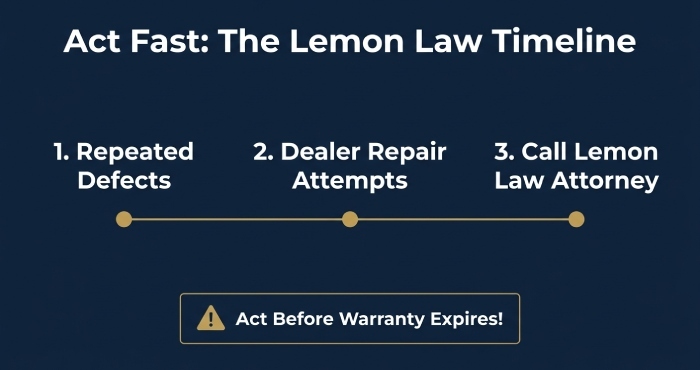
California Lemon Law protects consumers, but acting while the manufacturer’s warranty is still active is important. Keep records of all repair attempts and report defects promptly.
A lemon law attorney can determine whether your vehicle qualifies and explain options such as a manufacturer buyback, refund, or replacement vehicle.
When repeated repairs become a warning sign
If the dealer has attempted multiple repairs, kept the vehicle for extended periods, or failed to resolve automotive defects affecting safety, value, or performance, speak with a lemon law lawyer promptly. California Lemon Law may apply sooner than many owners realize.
Mistake #2: Failing to Keep Detailed Repair Orders, Service Records, and Dealer Communications
What records luxury car owners should save
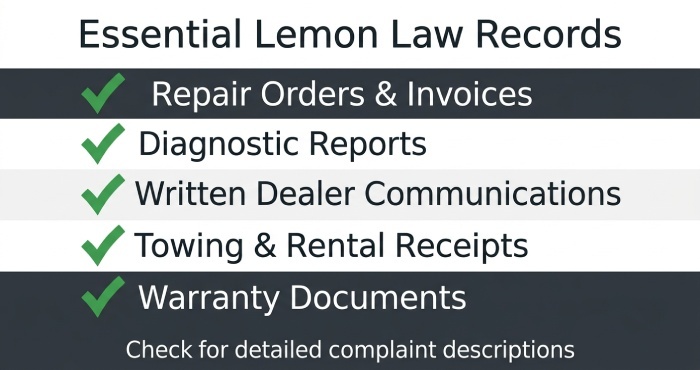
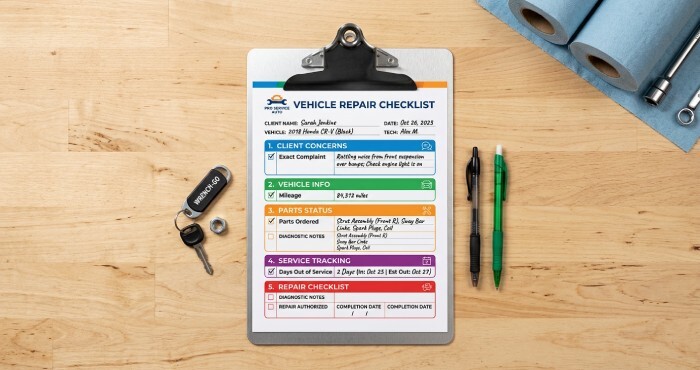
Keep every repair order, invoice, warranty document, diagnostic report, towing record, rental car receipt, text message, email, and dealer communication. Make sure each repair order accurately states the complaint, not just the dealer’s summary.
For example, if your Tesla loses power intermittently, do not accept a vague notation such as “customer states vehicle issue.” The repair order should describe the safety concern, warning messages, performance loss, or system failure.
Why records matter under California Lemon Law
California Lemon Law claims often depend on repair records, warranty coverage, and whether the manufacturer had a reasonable chance to fix the defect. These documents can help support a buyback, refund, or replacement claim.
While online resources provide general information, speaking with a California lemon law attorney can help you understand how your vehicle’s repair history applies to your specific case.
Mistake #3: Continuing to Drive a Defective High-End Vehicle Despite Safety Concerns
Safety issues should never be ignored
Driving a luxury vehicle with ongoing safety-related defects can increase the risk of accidents and may complicate a California Lemon Law claim. If your vehicle experiences recurring issues such as brake failures, power loss, electrical problems, or engine warnings, document every repair and consult a California lemon law attorney as soon as possible.
What to do if the vehicle feels unsafe
Stop driving when safety is compromised, request towing if necessary, and notify the dealer in writing. Then speak with a lemon law lawyer or lemon law specialist about filing a claim. Depending on the facts, California Lemon Law may support a refund, buyback, or replacement vehicle.
Mistake #4: Accepting Dealer Excuses Instead of Understanding California Lemon Law Rights
Dealer explanations are not the same as owner rights
Owner rights under California Lemon Law come from California law, not a service advisor’s opinion. A dealer may be helpful, but the manufacturer is typically responsible for the warranty and any potential buyback, refund, or vehicle replacement.
A qualified attorney can explain how California Lemon Law applies to your situation, including whether the defects are covered, whether the manufacturer has had a reasonable opportunity to repair the vehicle, and what remedies may be available.
Where to get credible lemon law help
California owners researching Lemon Law claims should rely on reputable legal resources and consult an experienced San Diego Lemon Law attorney to better understand their rights. An attorney can review the vehicle’s repair history, warranty coverage, and recurring defects to determine whether the owner may qualify for a buyback, replacement vehicle, or other remedies available under California Lemon Law.
Mistake #5: Modifying or Selling the Vehicle Before Speaking With a Lemon Law Lawyer California
Why modifications can invite manufacturer pushback
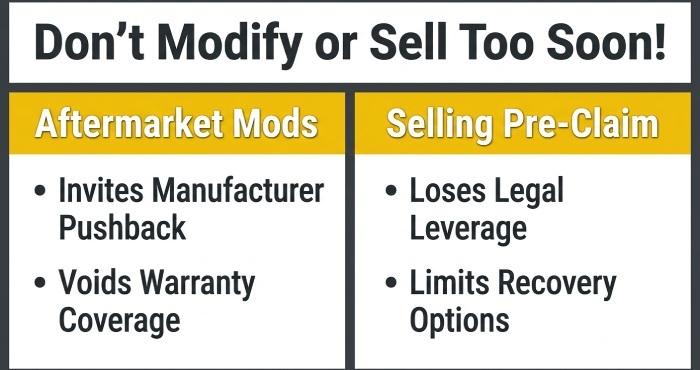
Even if the modification is unrelated, manufacturers may use it to challenge warranty coverage, reduce value, or dispute responsibility for costly defects. This is especially common with exotic vehicles and performance models where aftermarket changes are frequent.
Before modifying, trading in, or selling the vehicle, talk to a lemon law lawyer. A california lemon law lawyer can review whether a buyback, refund, or vehicle replacement may be available before you make decisions that affect the lemon law process.
Selling too soon can reduce your remedies
If you sell the car before filing a claim, you may lose leverage or limit recovery. California Lemon Law remedies are often tied to ownership, warranty history, and documented defects. Speaking with a lemon law attorney first helps preserve your legal options.
Mistake #6: Communicating With the Manufacturer Without Legal Guidance
Why direct negotiation can be risky
Without experienced legal guidance, vehicle owners may unknowingly weaken their claim by accepting inadequate settlement offers or signing documents that limit their rights. A California lemon law attorney can evaluate the case, manage communications with the manufacturer, and pursue available remedies when a warranty-covered vehicle continues to experience recurring defects.
A practical step-by-step guide before you respond
Before speaking with the manufacturer, gather repair orders, warranty documents, photos, videos, and written communications. Then schedule a free consultation with a lemon law lawyer. If the issue involves an RV or motor home rather than a sedan, SUV, or exotic car, consult an rv lemon law attorney familiar with those claims.
Mistake #7: Choosing a General Attorney Instead of a Luxury Car Lemon Law Lawyer California
Why specialization matters for luxury vehicles
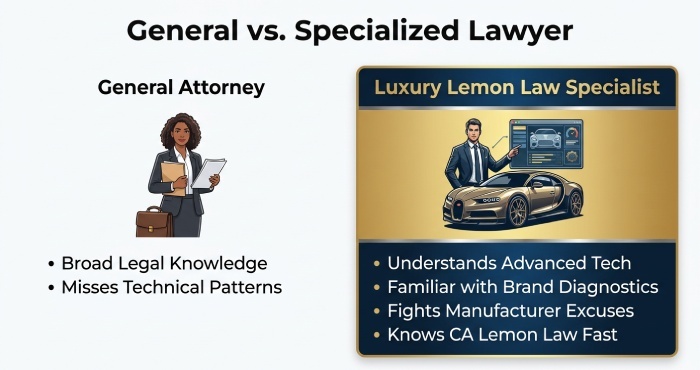
Luxury vehicles often involve advanced electronics, proprietary diagnostics, software updates, battery systems, adaptive suspension, autonomous features, and brand-specific repair protocols. A lemon law specialist understands how these issues affect a lemon law claim and how to challenge excuses from manufacturers.
For example, a BMW electrical defect, Mercedes-Benz drivetrain issue, or Tesla battery concern may require careful analysis of service records and warranty history. A focused lemon law attorney can identify patterns that a general practitioner might miss.
What to look for in a California Lemon Law attorney
Look for a California Lemon Law attorney with experience handling defective luxury vehicles, manufacturer buybacks, refund claims, and the full Lemon Law process. If you’re in the San Diego area, consider a firm familiar with California Lemon Law, local dealerships, and manufacturer warranty disputes. Before choosing legal representation, review the firm’s experience, communication style, and approach to handling Lemon Law claims.
Protect Your Rights Before It’s Too Late
Luxury vehicles are built to deliver exceptional performance, reliability, and comfort—but recurring warranty-covered defects can quickly turn ownership into a frustrating experience. If your vehicle continues to experience the same problem despite multiple repair attempts, don’t wait to understand your legal rights.
Keeping detailed repair records, reporting defects promptly, and seeking experienced legal guidance can help protect your ability to pursue a manufacturer buyback, replacement vehicle, refund, or other remedies available under California Lemon Law. Taking informed action early may help you preserve important evidence and better understand the options available based on your specific circumstances.
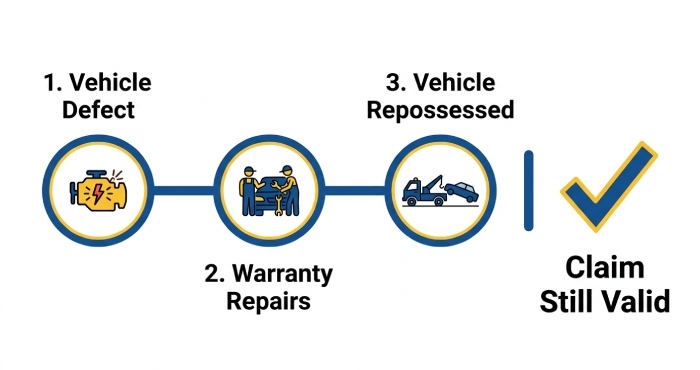
A repossessed lemon vehicle may still qualify for protection under California Lemon Law. If repeated warranty defects contributed to missed payments or repossession, you may still have legal options. A lemon law attorney can review your case and determine whether you may be eligible for a refund, replacement, or other compensation.
When Lemon Law Protections May Still Apply After Repossession
Many consumers assume that once there is a car repossession, the opportunity to bring a lemon law claim disappears. That is not always true. California Lemon Law, often referred to as the Song-Beverly Consumer Warranty Act, focuses on whether the manufacturer or its authorized repair facility failed to repair a covered defect within a reasonable number of attempts during the warranty period.
1. You may still qualify for lemon law protection if the defects existed before repossession.
If the defective vehicle had serious problems before the loan default or repossession, the timeline matters. A new car lemon, used vehicle with an active warranty, or certified pre-owned vehicle may still qualify for lemon law if the defect substantially impaired use, value, or safety. Even if the vehicle later became a repossessed car, your lemon law protections may remain relevant.
2. You may have the right to file a lemon law claim after repossession.
If repair records show repeated warranty repairs, extended time in the shop, or the same unresolved defect, you may be able to file a lemon law claim despite the automobile repossession. A lemon law attorney can review whether the lemon law process still supports a demand for a refund or replacement, including a replacement vehicle or repurchase remedy.
3. You may be entitled to compensation tied to the vehicle purchase.
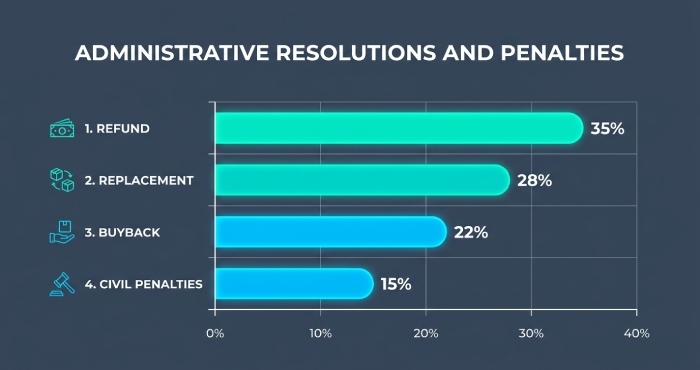
Under California lemon law, remedies may include compensation, a buyback, civil penalties in certain cases, or reimbursement of eligible incidental expenses. If the manufacturer failed to honor the warranty, a lemon law buyback may still be possible, depending on whether the facts support the claim and how the repossession affected ownership and possession.
Rights Related to Defective Vehicle Repairs, Buybacks, or Replacement Claims
4. You may have the right to seek a refund or replacement for a lemon vehicle.
If the facts support a valid lemon law claim, the manufacturer may be required under California law to provide a refund or replacement. A refund may include amounts paid toward the vehicle purchase, registration, taxes, and certain related charges, minus a legally calculated mileage offset. A replacement remedy may involve a comparable replacement vehicle, though many consumers prefer to claim a refund when trust in the auto dealer, warranty provider, or manufacturer has broken down.
5. You may have rights even if the car dealership or creditor blames you for nonpayment.
A car dealership, lender, or creditor may treat the matter as a simple payment issue, but a lemon vehicle can cause financial hardship. Repeated breakdowns, towing, missed work, and repair delays can make payments difficult. While a defect does not automatically excuse a loan default, a lemon law attorney may be able to argue that the underlying defects and failed repairs should be considered when pursuing compensation or defending against post-repossession claims.
6. You may have the right to file for compensation if the manufacturer delayed or denied responsibility.
If the manufacturer knew of the problem and refused a proper buyback or refund or replacement, California law may provide enhanced remedies in some cases. A lemon law lawyer can determine whether you should file a claim, pursue a lemon law buyback, or fight for compensation based on the repair history, warranty coverage, and the timing of the repossessed car event.
Consumers with RVs, motor homes, or specialty vehicles should seek vehicle-specific advice. For example, an rv lemon law attorney may evaluate different warranty documents and repair obligations than those involved in an ordinary passenger vehicle case. Likewise, a california lemon law lawyer can explain how California lemon law applies to a standard car, truck, SUV, or leased vehicle.
Protections Against Wrongful Repossession and Improper Collection Practices
7. You may have repossession rights if the seizure was improper.
A lender may have the right to repossess after default, but the repossession process must still comply with California law. A wrongful car repossession may occur if there was no default, if required notices were defective, if the repossession agent breached the peace, or if the lender mishandled the vehicle or personal property. Your repossession rights are separate from, but may overlap with, your consumer rights under lemon law.
Improper debt collection after a repossessed car can also be challenged. A creditor may not misrepresent balances, harass the borrower, or ignore applicable notice requirements. If the lemon vehicle was repossessed while an unresolved lemon law claim was pending, that fact should be documented carefully. A lemon law attorney or consumer lawyer can assess both the car repossession issue and the defect-related claim.
Your Right to Challenge Deficiency Balances, Fees, and Credit Reporting
8. You may have the right to dispute deficiency balances and negative credit reporting.
After a repossession, the lender may claim you still owe a deficiency balance. If proper legal procedures were not followed, you may be able to dispute the balance, fees, or negative credit reporting. A General Practice Attorney or lemon law attorney can evaluate whether your vehicle’s defects affect your legal rights.
9. You may have the right to use repair and repossession evidence to protect your rights.
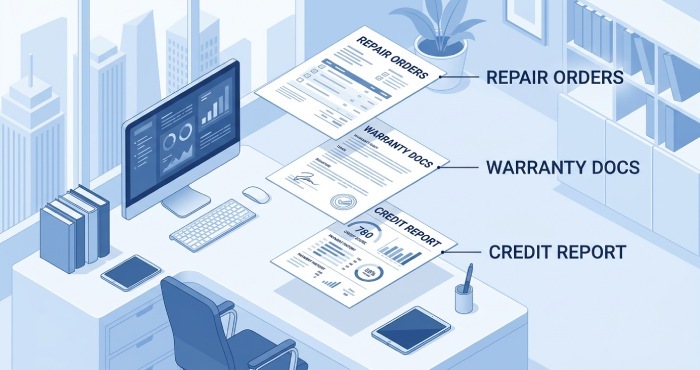
Keep records such as repair orders, warranty documents, repossession notices, and credit reports. Strong documentation can help support a California lemon law claim or challenge a repossession-related dispute. A General Practice Attorney can review your evidence and explain your available legal options.
When to Speak With a Lemon Law Attorney
Speak with a lemon law attorney as soon as possible if the vehicle had repeated defects, the manufacturer refused a refund or replacement, or the lender is pursuing a deficiency after automobile repossession. Many lemon law attorneys offer a free consultation, and some cases may allow attorney’s fees to be recovered from the manufacturer if the claim succeeds.
For consumers seeking San Diego lemon law help, a lemon law attorney san diego can evaluate the repair history, repossession documents, and possible manufacturer responsibility. Whether your issue involves a lemon car, a disputed deficiency, or a wrongful car repossession, timely legal guidance can help you protect your rights and decide whether to file for compensation.
Understanding California Lemon Law and How It Protects Vehicle Buyers
California Lemon Law protects consumers when a defective vehicle cannot be repaired after a reasonable number of attempts. If a vehicle covered by the manufacturer’s warranty has a defect that substantially affects its use, value, or safety, the manufacturer may be required to provide a refund, replacement vehicle, or other compensation.
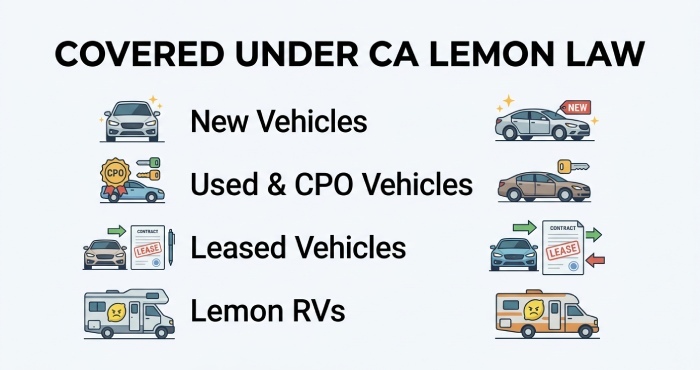
The law may apply to new, used, certified pre-owned, leased, and certain demonstration vehicles with qualifying warranty coverage. A lemon law attorney can review your purchase documents, repair records, and warranty to determine whether you have a valid claim and help pursue compensation if the manufacturer fails to resolve the defect.
For drivers in San Diego, California, speaking with a lemon law attorney san diego can be a practical first step when repair delays or repeat repairs are disrupting daily life.
Vehicles and Defects Commonly Covered
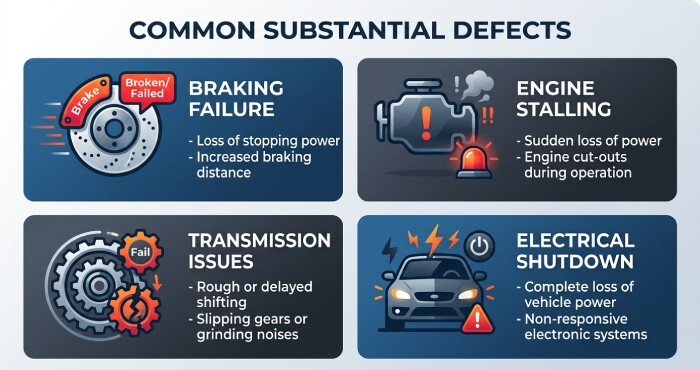
California Lemon Law protections can apply when a substantial defect causes substantial problems with drivability, safety, electronics, engine performance, transmission function, braking, steering, air conditioning, or other vehicle defects. The defect must generally arise during the vehicle warranty period, and repairs under warranty should be documented by a dealership, repair facility, or vehicle repair shop.
What Counts as a Reasonable Number of Repair Attempts in California
Why “Reasonable” Depends on the Defect
Reasonable repair attempts are judged in context. A defective radio is inconvenient, but a braking failure, stalling engine, steering malfunction, fuel leak, or electrical shutdown creates a different level of risk. When a defective vehicle cannot be safely driven, the manufacturer may have less room to argue that more repair attempts are needed.
A consumer protection attorney can also determine whether the manufacturer’s refusal to offer a purchase refund, replacement vehicle, or other compensation supports civil penalties. In some cases, civil penalty exposure may increase the settlement value if the manufacturer knowingly failed to comply with California Lemon Law.
Documents That Help Prove Repair Attempts
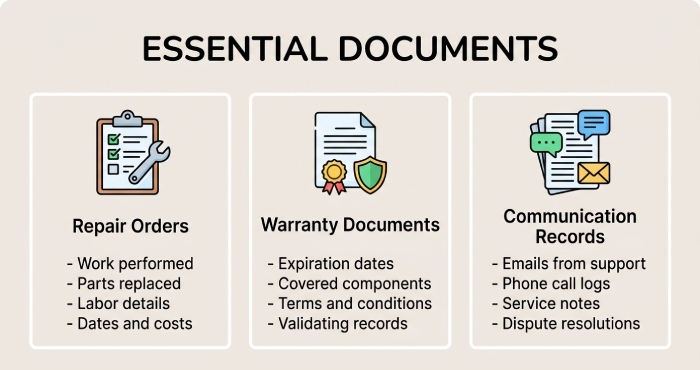
Strong evidence often includes:
Each repair order from the dealer or repair shop
The repair record showing dates in and out of service
Notes about repeated symptoms
Warranty coverage and manufacturer’s warranty documents
Photos, videos, recall notices, and towing records
An experienced attorney uses this evidence to build the lemon law claim and calculate the refund amount, loan/lease payoff, or value of a replacement vehicle.
Repair Delays: When Your Vehicle Spends Too Much Time in the Shop
The 30-Day Out-of-Service Issue
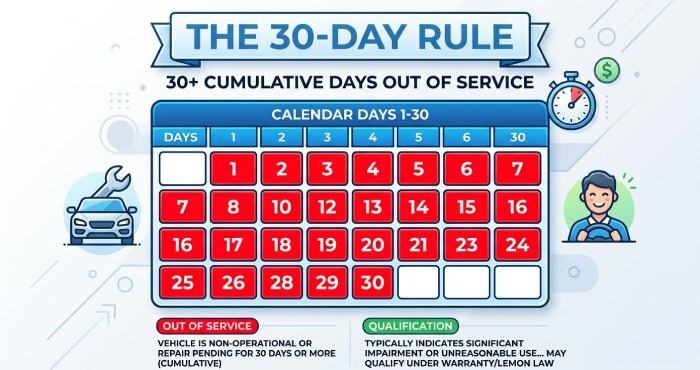
Many California consumers hear about the “30-day rule.” While every case depends on the facts, a vehicle that is out of service for a total of 30 or more days for warranty repairs may raise serious CA Lemon Law concerns. Those days do not always need to be consecutive. If your used vehicle, certified pre-owned vehicle, lemon car, or lemon RV keeps returning to the repair facility, the cumulative downtime matters.
A lemon law lawyer can review whether delays were caused by the dealership, parts shortages, manufacturer approval problems, or repeated failed diagnostics. If the vehicle was under vehicle warranty and repairs under warranty did not restore it, compensation, a refund, or a replacement vehicle may be available.
Delays Caused by Parts or Diagnostics
Manufacturers sometimes argue that parts delays are unavoidable. However, California Lemon Law focuses on the consumer’s loss of use and whether the manufacturer honored its obligations. If your defective vehicle is parked at a repair facility while the manufacturer waits for parts, the delay may still count against the manufacturer.
A california lemon law lawyer can provide a case evaluation, discuss attorney fees, and explain whether a free consultation is available before you pursue the legal process.
Repeat Repairs for the Same Problem: A Major Lemon Law Warning Sign
When the Vehicle Is “Fixed” but the Problem Returns
If the same defect returns after a repair, your vehicle may still qualify for protection under California Lemon Law. Repeated temporary fixes, software updates, or “no problem found” findings do not necessarily resolve the manufacturer’s responsibility. Recurring problems may support a claim for a vehicle buyback, replacement, refund, or other available compensation.
Used Vehicle and Certified Pre-Owned Claims
Used and certified pre-owned vehicles may qualify for California Lemon Law if they were covered by a qualifying manufacturer or express warranty. Repeated warranty repairs for the same defect can support a claim, even if the vehicle was purchased used. An experienced lemon law attorney can evaluate your records and determine whether you may be eligible for a refund, replacement vehicle, or other legal remedies.
Safety Defects and Why Fewer Repair Attempts May Be Enough
Why Legal Help Matters Early
An attorney can act as your advocate, communicate with the manufacturer, organize evidence, and push for compensation without letting the manufacturer control the process. A lemon law lawyer understands how to present a lemon law case, respond to manufacturer refusal, and pursue a settlement or trial when necessary.
For RV owners, a rv lemon law attorney can evaluate complex warranty issues involving a lemon RV, chassis defects, coach systems, and repairs split between multiple facilities. Members of the U.S. Armed Forces stationed in California may also have specific concerns about where the vehicle was purchased, registered, or repaired.
Documentation You Need to Prove Repair Attempts and Delays
Repair Orders, Invoices, and Service Records
Keep every repair order, invoice, and service record from each dealership or authorized repair visit, even if the repair was unsuccessful or marked “could not duplicate.” These records document the reported defect, repair attempts, warranty work, and the amount of time your vehicle was out of service. Complete service records can provide valuable evidence when pursuing a California Lemon Law claim.
Warranty, Purchase, Loan, and Lease Documents
Save all warranty documents, purchase or lease agreements, financing records, registration paperwork, recall notices, and communications with the manufacturer or dealership. These documents help establish warranty coverage and confirm your ownership or lease terms. They are essential for determining whether your vehicle qualifies for protection under California Lemon Law.
Tracking Days Out of Service and Delays
Maintain a timeline that records repair dates, dealership visits, vehicle downtime, and when the defect returned. Also keep receipts for rental vehicles or other transportation expenses caused by warranty repairs. A detailed timeline helps demonstrate excessive repair delays and supports a stronger California Lemon Law case.
Key Takeaways
Keep every repair order, warranty document, purchase contract, and communication with the manufacturer or dealership.
A used vehicle, certified pre-owned vehicle, leased vehicle, lemon RV, or new vehicle may qualify if warranty coverage and legal requirements are met.
Contact a lemon law lawyer before accepting a refund, replacement vehicle, or cash settlement.
California Lemon Law remedies may include a manufacturer buyback, replacement vehicle, compensation, civil penalties, and attorney fees.
Way #1: Claiming the Motorcycle Defect Is “Normal”
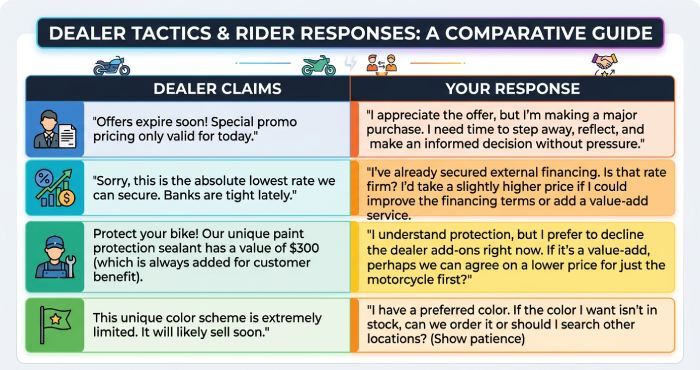
Dealers commonly say a vibration, stalling condition, battery drain, onboard computer warning, ABS fault, fuel injection system hesitation, catalytic converter smell, or braking system noise is “normal for that model.” This is often used to discourage a motorcycle lemon law claim before the rider realizes the California lemon law may apply.
Respond by documenting symptoms in detail. Take videos, save dashboard warnings, photograph leaks or damaged parts, and compare the bike with similar models at the same authorized dealership or another authorized facility. If the dealer says the problem is normal, request that explanation in writing on the repair order.
Way #2: Blaming Rider Error or Abuse
Another tactic is blaming the rider. The dealer may allege improper shifting, hard riding, missed maintenance, overloading, track use, or abuse—especially when the motorcycle defects involve transmission issues, suspension problems, brake malfunctions, or engine malfunctions.
Respond with maintenance records, riding history, photos, and expert inspection evidence. If you followed the motorcycle warranty schedule and used the bike for personal use rather than commercial racing or excluded off-road motorcycles activity, say so clearly. Keep receipts for oil changes, tires, battery service, and inspections.
Way #3: Saying Aftermarket Parts Voided the Claim
Show the Modification Did Not Cause the Defect
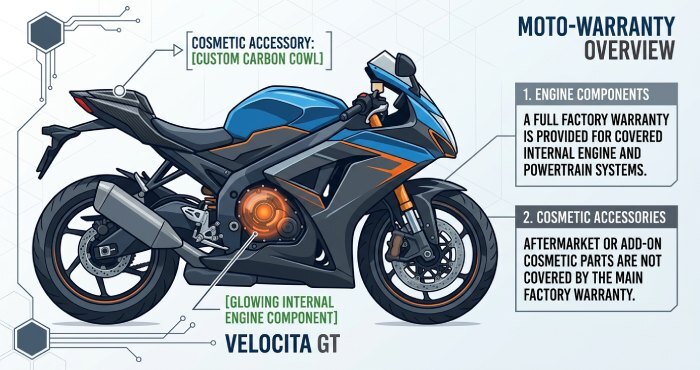
If the issue is ABS failure, an onboard computer fault, a defective steering mechanism, or cooling system failures, a cosmetic accessory may have nothing to do with it. Ask the dealer to identify exactly how the aftermarket part caused the specific substantial defect. A lemon law attorney can help analyze whether the manufacturer or dealer has a valid defense.
Keep the Original Parts and Installation Proof
Save invoices, installer notes, photos, and original equipment. This documentation can help a lemon law lawyer argue that the defective motorcycle remains covered by the manufacturer warranty and that the motorcycle warranty was not properly denied.
Way #4: Arguing the Bike Has Not Had Enough Repair Attempts
A dealer may say, “You need more repair attempts,” even after the bike has repeatedly been out of service. The California lemon law does not always require endless visits. The Song-Beverly Consumer Warranty Act looks at whether the manufacturer or its authorized dealership had a reasonable number of attempts to fix the defect.
Respond by tracking every repair visit, repeat complaint, mileage, dates in and out, and days out of service. Document repairs even when the dealer says it “could not duplicate” the concern. Repair records showing repeated safety issues, stalling, brake malfunctions, electrical system malfunctions, or steering malfunctions can support a repurchase, replacement, refund, or other compensation.
Way #5: Calling the Problem a Minor Inconvenience
Dealers may describe the issue as minor: a warning light, intermittent stall, hard start, fuel system concerns, or unstable handling. But a “minor inconvenience” can still qualify if it affects safety, value, or usability.
Respond by explaining the real-world impact. Does the bike stall in traffic? Does the ABS light disable braking assistance? Does the battery fail after sitting overnight? Does the fuel injection system surge during turns? Does the defect make the motor vehicle unsafe or unreliable?
Way #6: Refusing to Put Repair Findings in Writing
Demand Complete Repair Orders
Always request a complete repair order before leaving the authorized facility. It should include your exact complaint, mileage, diagnosis, parts ordered, test ride results, and whether the defect was duplicated.
Save Every Communication
Keep texts, emails, voicemails, service portal screenshots, tow receipts, and notes from conversations. A lemon law lawyer or lemon law attorney can use these records to show persistent issues and a reasonable number of attempts under the California lemon law.
Way #7: Delaying Repairs Until the Warranty Expires
A dealer may delay appointments, wait on parts, or repeatedly say the motorcycle manufacturer has not approved repairs. Then, once the mileage limit or warranty end date passes, the dealer may claim the manufacturer warranty has expired.
Respond by proving the issue began during the manufacturer warranty period. Save the first complaint date, appointment requests, repair records, and communications showing you tried to obtain service before expiration. The motorcycle warranty timeline is critical.
Way #8: Saying the Manufacturer, Not the Dealer, Is Responsible
Dealers often say, “That’s between you and the manufacturer.” While a repurchase or replacement is usually the manufacturer’s obligation, the dealer’s records are essential evidence. The authorized dealership is typically the place where the manufacturer gets its reasonable number of attempts to repair the defective motorcycle.
Preserve dealer records, service invoices, and communications. Then contact a lemon law lawyer California motorcycles clients trust. For broader lemon law information, many consumers start by reviewing resources from a california lemon law lawyer, especially when comparing motorcycle lemon law issues with other motor vehicle claims.
Way #9: Offering a Low Settlement or Trade-In Instead of a Buyback
A dealer may suggest a trade-in, small cash payment, extended service plan, or discounted replacement instead of a formal repurchase. These offers may be far less than the recovery available under the California lemon law.
Respond by calculating potential recovery before signing anything. A proper motorcycle lemon law analysis may include refund of payments, down payment, registration, incidental costs, payoff of the loan, replacement, replacement vehicle options, attorneys’ fees, costs, and possible civil penalties. A repurchase may be better than a trade-in because it is based on legal rights, not dealer negotiation.
A lemon law lawyer can also explain deductions such as mileage offset or mileage limit issues. If you own other covered vehicles, separate advice may be needed; for example, an rv lemon law attorney handles different facts than a motorcycle lemon law matter, though both may involve the Song-Beverly Consumer Warranty Act.
Way #10: Discouraging You From Hiring a Lawyer
Finally, a dealer or manufacturer representative may say hiring a lawyer will “slow things down” or “reduce your recovery.” Be cautious. Under the Song-Beverly Consumer Warranty Act, a prevailing consumer may recover attorneys’ fees from the manufacturer, which means qualified legal representation may not require paying hourly fees out of pocket.
Before signing a release, trade-in agreement, settlement, or repair waiver, consult a California motorcycle lemon law attorney. A skilled lemon law attorney can determine whether the defective motorcycle qualifies for repurchase, refund, replacement, compensation, or a lemon lawsuit. Many firms offer a free consultation, including options such as a lemon law attorney san diego for California consumers seeking guidance.
California Lemon Law protects consumers when a vehicle develops a warranty-covered defect that cannot be repaired after a reasonable number of attempts. While manufacturers may argue that high mileage weakens a claim, there is no automatic mileage limit that disqualifies a vehicle. The key issue is whether the defect first appeared during the warranty period and substantially affected the vehicle’s use, value, or safety.
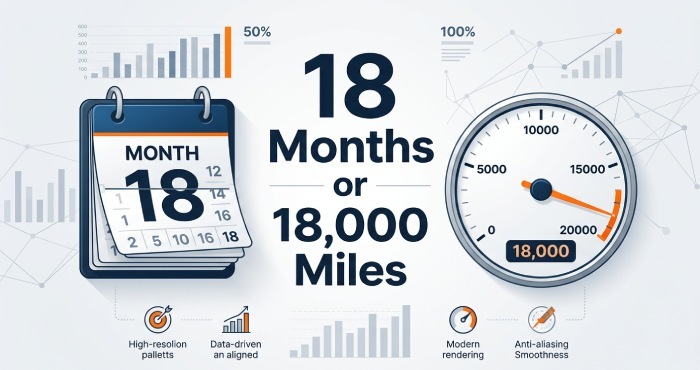
The California Lemon Law Presumption can make some claims easier if the defect occurs within 18 months or 18,000 miles, but it is not the only way to qualify. Even if a vehicle exceeds those benchmarks, a claim may still succeed if the problem was reported while the manufacturer’s warranty was in effect and supported by repair records and service documentation.
Common Manufacturer Mileage Arguments Used to Deny or Reduce Claims
Argument: The Vehicle Has Too Many Miles
One common argument is that the vehicle exceeded a mile limitation before the lemon law claim was made. But California Lemon Law generally focuses on when the defect was first presented for repair, not merely the mileage at the time the consumer contacts legal counsel. If the repair attempts began during the original factory warranty, a later odometer reading does not erase the lemon law case.
A lemon law lawyer may point out that mileage limits in a warranty are not the same as a hard mile limitation under the statute. The warranty may expire at a certain mileage, but if the repair problem was reported while the vehicle was covered under warranty, the consumer may still have lemon law protection.
Argument: High Mileage Caused the Defect
Manufacturers may also argue that high mileage caused the engine, transmission, electrical, braking, or steering problem. This is especially common when the defect creates a safety hazard. A lemon law attorney can counter by showing that the same symptom appeared repeatedly despite multiple repair attempts and failed repair attempts.
Argument: The Mileage Offset Should Eliminate Compensation
Even when a manufacturer concedes some responsibility, it may argue for a steep value reduction based on mileage. California law allows a mileage offset in certain refund or statutory repurchase calculations, but that does not permit the manufacturer to erase lemon law compensation. A lemon law attorney may challenge inflated deductions and pursue a refund, replacement vehicle, vehicle replacement, cash settlement, or other lemon law relief.
How Warranty Coverage and Mileage Limits Affect Lemon Law Eligibility
Warranty Timing Versus Current Mileage
A manufacturer often focuses on current mileage, while a lemon law attorney focuses on defect timing. This distinction is critical. If a defective vehicle is brought to the dealership for the same repair problem while the manufacturer’s warranty is active, later mileage does not necessarily defeat the lemon law claim.
A used car may also qualify if it still had remaining original factory warranty coverage or was otherwise covered under warranty when the defect arose. Similarly, a leased vehicle can qualify if the warranty period and repair attempts support the lemon law requirements. Lemon law mileage must be evaluated alongside warranty terms, not treated as a standalone bar.
Consumers seeking lemon law legal advice may contact a california lemon law lawyer to evaluate mileage limits, warranty status, and repair history. For motorhome or recreational vehicle disputes, an rv lemon law attorney may assess whether the same principles apply to covered repairs and failed repair attempts.
Mileage Limits Do Not Replace Consumer Rights
Mileage limits in the manufacturer’s warranty define the warranty period, but they do not give the manufacturer permission to ignore defects reported during that period. California Department of Consumer Affairs guidance and the California Lemon Law Presumption both emphasize the importance of repair opportunities, non-consecutive days in repair, and substantial impairment to use, value or safety.
Using Repair Orders and Service Records to Establish Defect Timelines
Building the Timeline
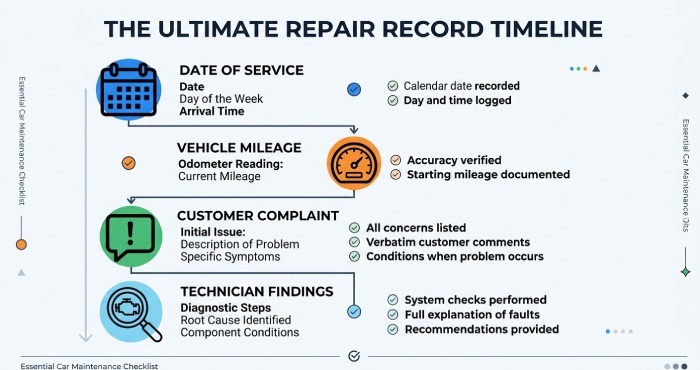
A detailed timeline should include the date of each visit, mileage at intake, customer complaint, technician findings, parts replaced, diagnostic codes, and whether the dealership verified the concern. If a vehicle spent non-consecutive days in repair, those days may support lemon law protection and show loss of vehicle use.
A lemon law attorney will look for patterns: the same noise, warning light, power loss, leak, vibration, battery failure, infotainment malfunction, or safety issue appearing again and again. When failed repair attempts continue despite dealership involvement, the record may support a lemon lawsuit, lemon law settlement, lemon law repurchase, refund or replacement, or statutory repurchase.
Why Accurate Repair Descriptions Matter
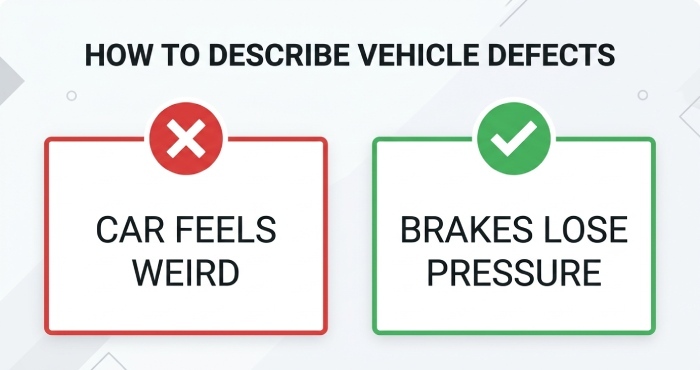
The words used on repair orders can influence the entire lemon law process. Lemon car owners should describe symptoms clearly and consistently. Instead of saying “car feels weird,” the vehicle owner should explain, “engine stalls while merging,” “brakes lose pressure,” or “vehicle shuts down without warning.” Clear descriptions help prove a safety hazard and show that the defective vehicle substantially affects use, value or safety.
How California Lemon Law Lawyers Negotiate Against Manufacturer Defenses
Common Manufacturer Defense Strategies
A manufacturer may argue that:
The defect occurred after the original factory warranty expired
The mileage limits exclude coverage
The consumer continued driving the vehicle, so the issue was minor
The safety issue was never verified
The repair attempts were unrelated
The vehicle is not a legal lemon because the defect was repaired
The requested lemon law repurchase is excessive
An experienced lemon law attorney will challenge these claims by focusing on warranty timing, proof of defect, repair attempts, and whether the defect substantially impaired use, value or safety. If the defective vehicle created a safety hazard, that fact can strengthen the lemon law case, particularly where safe operation was compromised.
Negotiation Goals in Mileage Disputes
McMillan Law Group represents consumers throughout California, including Los Angeles, San Diego, Orange County, Sacramento, Bakersfield, Anaheim, San Francisco, and surrounding communities.
A lemon law firm may also negotiate against an auto manufacturer by showing that the burden shifts under the lemon law presumption, or that the evidence independently satisfies California Lemon Law standards even outside the presumption window.
For consumers in Southern California, consulting a lemon law attorney san diego may help clarify whether the manufacturer’s mileage argument is legally valid or simply a negotiation tactic.