Demo vehicles may seem like a smart alternative to new vehicles because they often cost less and still include a manufacturer warranty. However, demonstration vehicles, leased vehicles, certified pre-owned vehicles, and other used vehicles may have hidden wear, prior repairs, or serious vehicle defects that could lead to California Lemon Law concerns.
00:00
Way #1: Calling Demo Vehicles “Nearly New” Without Clarifying Prior Use
Why “Nearly New” Can Be Misleading
A dealership may describe demo vehicles as “nearly new” because they have never been titled to a retail buyer. That phrase can obscure the fact that demonstration vehicles may have accumulated mileage through test drives, manager use, service loaner use, or short-term promotional driving.
Demo vehicles are not always the same as new vehicles in practical terms. They may have been driven aggressively by multiple people, parked outside for months, or used in conditions the buyer never agreed to accept. Under California Lemon Law principles, the details matter: mileage, prior repair attempts, warranty start date, and whether the manufacturer warranty remains intact.
Way #2: Emphasizing Discounts While Downplaying Mileage and Wear
The Discount May Not Reflect the Risk
Dealers often market demo vehicles with phrases like “huge savings,” “manager special,” or “low-mileage deal.” A discount can be legitimate, but it should be weighed against mileage, tire wear, brake wear, cosmetic damage, and possible hidden vehicle defects.
Demo vehicles and used vehicles may have suffered more wear than the odometer suggests. A BMW, Mercedes, or Mini Cooper demo may look pristine on the lot, but repeated short test drives can create mechanical stress. If a dealer focuses only on monthly payments and avoids discussing the vehicle’s history, car buyers may miss important purchase protection issues.
Key Questions Buyers Should Ask
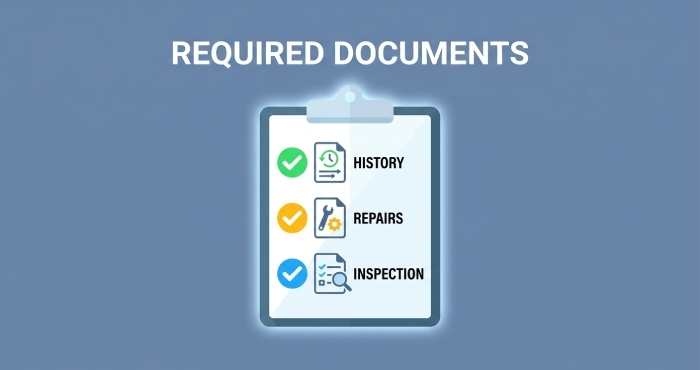
Ask the dealership for a written use history, prior repair records, inspection reports, and the exact date the manufacturer warranty began. If the dealer refuses, that may raise concerns about auto fraud or nondisclosure.
Way #3: Presenting Manufacturer Warranties Without Explaining Coverage Limits
Warranty Language Can Sound Stronger Than It Is
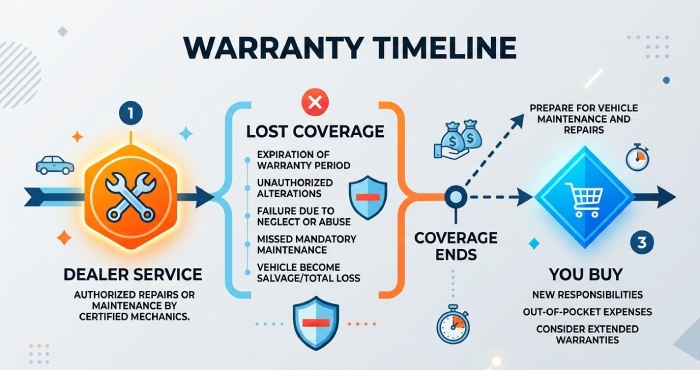
Many demonstration vehicles are sold with a manufacturer warranty, but the coverage may have started before the buyer purchased the vehicle. In some cases, the warranty clock begins when the dealer first puts the demo vehicle into service, leaving less remaining coverage than expected. Similar issues can affect leased vehicles, certified pre-owned vehicles, and certain used vehicles sold with limited warranty terms.
A dealer may advertise that a vehicle is “still under warranty” without fully explaining shortened coverage periods, warranty exclusions, or prior repair history. Under the California Lemon Law, repair attempts made during the manufacturer warranty period can be important, and a lemon law lawyer may determine whether the consumer qualifies for a refund, replacement vehicle, or other compensation for recurring vehicle defects.
Way #4: Avoiding Disclosure of Repairs, Test Drives, or Employee Use
Missing Repair History Can Hide a Bigger Problem
Some dealerships fail to fully explain whether demonstration vehicles were repaired before sale. Prior repairs may involve electrical issues, engine warnings, transmission concerns, infotainment failures, brake problems, or water leaks. These vehicle defects may later reappear after the buyer signs the contract.
A demo car used by dealership employees or sent repeatedly to a repair shop may carry a history that is highly relevant to a Lemon Law case. California law generally favors transparency when material facts affect the value or safety of a vehicle.
Documents That Matter
Buyers should request repair orders, warranty claim history, pre-sale inspection records, and any internal notes showing complaints during the vehicle’s demo period.
Repeated Repairs Are Red Flags
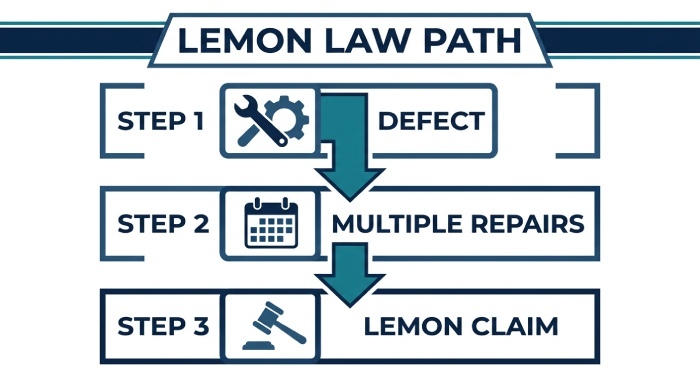
Multiple repair attempts before or shortly after purchase may support a lemon law claim if the same substantial defects continue.
Way #5: Using “Certified” Labels to Create a False Sense of Security
Certified Does Not Mean Defect-Free
Dealerships sometimes market demo vehicles alongside certified pre-owned vehicles to increase buyer confidence. However, certified pre-owned vehicles are still used vehicles and may have prior defects, repair histories, or limited warranty coverage despite passing an inspection process.
Terms like “certified” and multi-point inspections do not guarantee a defect-free vehicle. Certified pre-owned vehicles, demonstration vehicles, leased vehicles, and other used vehicles may still qualify as lemon cars when recurring vehicle defects are not repaired after a reasonable number of repair attempts under the California Lemon Law.
Certification Should Be Verified
Ask what was inspected, who performed the inspection, whether any repairs were completed, and whether the manufacturer—not just the dealership—backs the certification.
Way #6: Framing Demo Cars as Smart Deals Without Discussing Lemon Law Concerns
A Good Price Does Not Eliminate Legal Risk
Demo vehicles are frequently promoted as cost-effective options compared to brand-new cars, typically featuring reduced prices and warranty support from manufacturers. However, dealerships might not adequately inform customers about the California Lemon Law implications that could occur if the vehicle experiences significant and persistent issues.
According to California Lemon Law legislation, a demo vehicle in Mariposa County can qualify for Lemon Law protection if the defects substantially impair the vehicle’s use, value, or safety, and the manufacturer is unable to fix the issues after a reasonable number of repair attempts.
Way #7: Rushing Buyers Through Paperwork That May Limit Their Options
Contract Pressure Can Reduce Buyer Awareness
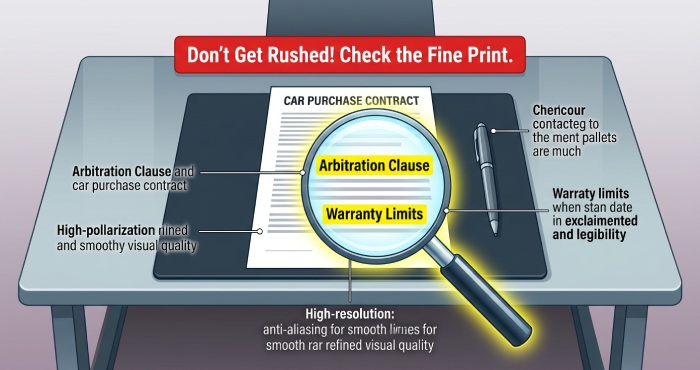
Car dealerships frequently instill a sense of urgency during demonstrations of their vehicles, leading customers to miss crucial information such as arbitration clauses, warranty restrictions, odometer readings, and paperwork identifying the vehicle as used. This is particularly important for leased vehicles and certified pre-owned ones, which might come with different warranty terms compared to new vehicles.
It’s essential for buyers, including service members of the U.S. Armed Forces who move often, to thoroughly check if the manufacturer’s warranty is valid throughout California. A lemon law attorney can review the sales agreement, warranty documents, and repair records to assess their potential impact on any claims.
Way #8: Failing to Explain When to Contact a Lemon Law Lawyer for California Demo Vehicles
When Legal Help Becomes Important
Dealerships often do not inform customers about when they should reach out to a lemon law attorney in San Diego, California. Seeking legal advice early can be beneficial if demonstration vehicles exhibit ongoing issues, warning indicators, safety hazards, or persistent performance failures while still under the manufacturer’s warranty.
A California lemon law attorney San Diego may help buyers pursue compensation, a replacement vehicle, refund, repurchase, or settlement for demo vehicles, leased vehicles, certified pre-owned vehicles, lemon RVs, and other warranty-backed used vehicles with ongoing repair issues.
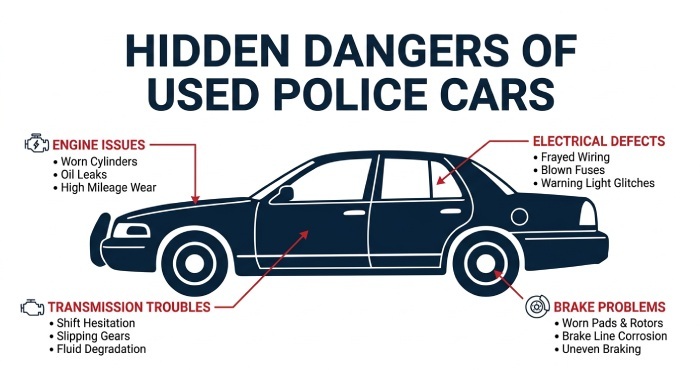
Purchasing a used police vehicle might initially appear to be a cost-effective choice, but these cars frequently come with significant mechanical and electrical issues due to extensive use. Factors like prolonged idling, harsh driving, frequent repairs, and degraded parts can result in defects that emerge shortly after acquisition. If these problems consistently impact the safety, value, or functionality of the vehicle, they could invoke rights under state lemon law provisions.
00:00
Why Former Police Cars Carry Higher Defect Risks
Former police cars may look affordable, but they often experience extreme wear from long idling hours, hard acceleration, aggressive braking, and constant use of electronic equipment. Even with low mileage, these vehicles may have hidden mechanical problems that affect safety, value, and reliability.
Whether a retired police vehicle qualifies under lemon law depends on state law and warranty coverage. If the car was sold with a manufacturer warranty, dealer warranty, or written warranty and develops repeated defects that cannot be repaired, buyers may still qualify for lemon law remedies such as a refund or replacement vehicle.
Common Hidden Mechanical and Electrical Problems in Retired Police Vehicles
Former police cars often develop problems that are not obvious at delivery date. A buyer may notice smooth performance at first, only to face repeated repairs weeks later. Common hidden issues include transmission slipping, cooling system failures, worn suspension components, premature brake wear, engine overheating, oil leaks, alternator failure, battery drain, and wiring faults left behind after removal of police equipment.
Electrical problems are especially common. Police vehicles may have been modified with light bars, sirens, radios, laptop mounts, spotlights, additional fuse panels, and aftermarket wiring. When these systems are removed, improper repairs can leave exposed wires, parasitic battery drains, warning lights, disabled airbags, malfunctioning sensors, or intermittent starting issues. A defect that appears minor can become a safety concern if the vehicle stalls in traffic or loses power steering.
A former police SUV may also have suffered from hard curb impacts, frame stress, damaged mounts, or excessive wear to steering and suspension systems. Even if the dealer advertises the vehicle as “well maintained,” fleet maintenance records may not reveal every repair period, repair bills, or the parts covered by prior service. Some buyers discover that prior repairs were temporary fixes rather than complete repairs.
How Prior Fleet Use, Modifications, and Repairs Can Affect Lemon Law Claims
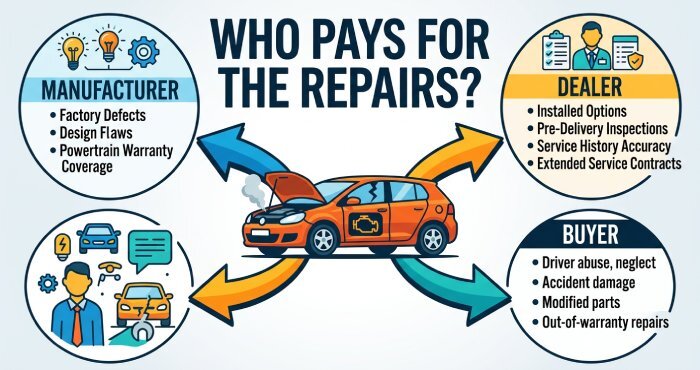
Prior fleet use can complicate a lemon law claim because the dealer, manufacturer, and buyer may disagree about what caused the defect. The manufacturer may argue that aftermarket police modifications caused the problem, while the dealer may say the issue is normal wear for a used car. The buyer, however, should focus on the written warranty, dealer warranty, manufacturer warranty, sales documents, repair order history, and whether the problem continues after repairs.
Warranty coverage and who may be responsible
A retired police car may still have a manufacturer warranty if it is relatively new and within mileage limits. In that situation, the manufacturer may be responsible for covered repairs and possibly a refund or replacement car if the lemon law requirements are met. If the vehicle was sold with a dealer warranty, the dealer may have specific obligations to repair the covered defect. A written warranty matters because many lemon laws require warranty-backed repair obligations.
If the purchase or lease involved a new car that was later discovered to have been used as a demonstrator, fleet vehicle, or prior service vehicle, additional consumer protection concerns may arise. A buyer should compare the purchase price, mileage, disclosure documents, and delivery date against what the dealer represented. Misrepresentation may support a complaint with an attorney general office, Consumer Frauds Bureau, Department of Motor Vehicles, or other consumer protection agency.
State-specific programs and case guidance
State consumer agencies and legal aid organizations provide guidance on lemon laws, warranty disputes, and arbitration programs such as BBB Auto Line®. If arbitration does not resolve the issue, buyers may pursue claims in civil court or Small Claims Court depending on state law. Some states also require a written complaint before formal legal action.
For California consumers, speaking with experienced lemon law lawyers can help determine whether a former fleet or police vehicle qualifies. A buyer in Southern California may also consult a lemon law attorney or contact San Diego Lemon Law Attorneys for case-specific guidance.
Steps to Take If a Former Police Car May Qualify for Lemon Law Protection
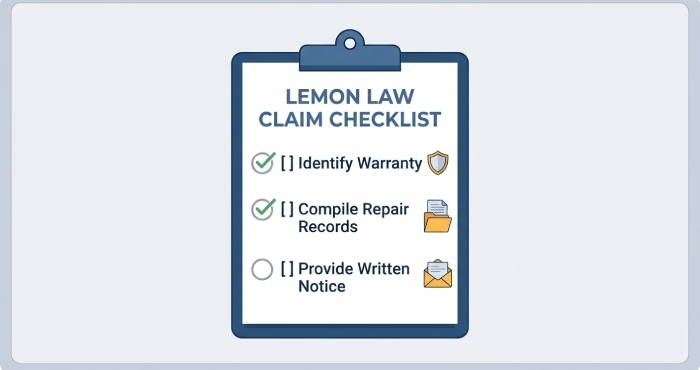
The first step is to identify the warranty source. Determine whether the used car came with a written warranty, dealer warranty, remaining manufacturer warranty, certified pre-owned coverage, or service contract. Review the parts covered, exclusions, mileage limits, and deadlines. A new car lemon law may differ from a used car lemon law, and some statutes also address a motor home differently from a regular motor vehicle.
Next, provide written notice to the dealer and manufacturer if required. A written complaint should identify the defect, list all repair attempts, attach repair order copies, and request appropriate relief. Depending on the facts, relief may include repairs, a refund, full refund, replacement car, or comparable replacement. If the dealer refuses to help, contact the manufacturer and ask for the claim number, contact information, and next steps for warranty review.
Escalation options if repairs fail
If the vehicle has been subject to a reasonable number of attempts or has been out of service for too long, consider filing through the applicable lemon law program. This may involve arbitration, lemon law arbitration, BBB Auto Line®, or an agency process through an Attorney General’s Office. In New York State, buyers can review materials from the Office of the New York State Attorney General. In Virginia, consumers in the Richmond area and elsewhere may contact the Office of the Attorney General of Virginia or the Consumer Protection Hotline; public officials such as Jay Jones have also been associated with consumer enforcement discussions in the Commonwealth of Virginia.
If informal resolution fails, the next step may be civil court, a civil lawsuit, or Small Claims Court, depending on the amount in dispute and the jurisdiction. A lawyer referral service, legal aid group, or state consumer protection office can help identify options. Buyers should act quickly because lemon laws often impose deadlines tied to the delivery date, repair period, mileage, or warranty expiration.
A lemon law buyback is designed to put the consumer back in a reasonable financial position when a vehicle has substantial defects that the manufacturer or authorized dealer cannot repair after a reasonable number of attempts. In California, the California Lemon Law is primarily governed by the Song-Beverly Consumer Warranty Act, which protects a car owner when a vehicle has persistent problems that impair use, value, or safety.
Modified vehicles are not automatically excluded from lemon law protection. Vehicle modifications can complicate the claim, but they do not erase a manufacturer’s duty to honor warranty coverage for factory defects. If a lemon vehicle has mechanical defects, safety issues, or electrical concerns unrelated to the customization, the manufacturer may still be responsible for a refund or replacement vehicle under the Song-Beverly Consumer Warranty Act.
Distinguishing Factory Defects from Problems Caused by Custom Parts
The central dispute in many modified-vehicle lemon law cases is causation. A manufacturer may argue that aftermarket modifications, performance enhancements, or non-factory parts caused the mechanical defects or safety issues. The car owner, in turn, may argue that the defect existed independently of the aftermarket parts.
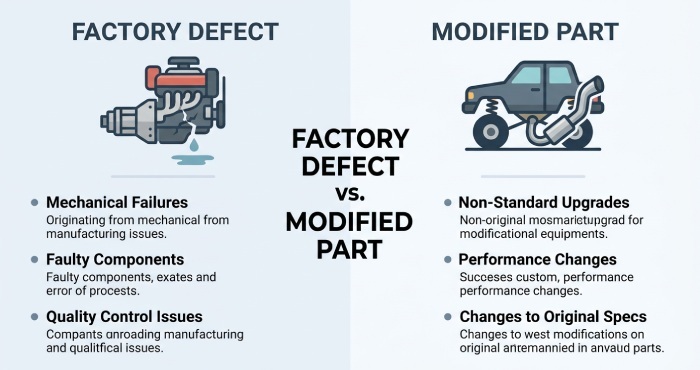
Factory Defects vs. Modification-Related Failures
Factory defects are problems caused by the vehicle’s original design, manufacturing, or warranty-covered components. Common examples include engine failure, brake defects, battery problems, or transmission issues that happen during normal use. Modification-related failures, however, may result from aftermarket changes such as lift kits, engine tuning, suspension upgrades, or custom electrical systems.
Manufacturers usually cannot cancel an entire warranty just because aftermarket parts were added. Under the Magnuson-Moss Warranty Act, they must prove the modification directly caused the damage or defect. Repair records, service history, and maintenance documents are often important in these disputes.
Why Professional Installation Matters
Professional installation by certified technicians can help prove that vehicle modifications were done correctly. Receipts, installation records, and written statements from qualified installers may support the owner if warranty coverage is challenged. Using experienced professionals instead of unverified shops can reduce the risk of disputes over aftermarket modifications.
What Happens to Financed Modifications During a Buyback
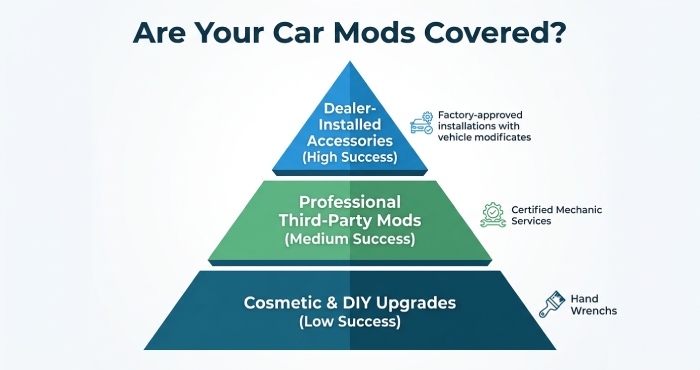
In a lemon law buyback under the Song-Beverly Consumer Warranty Act, the manufacturer generally refunds the amounts paid for the vehicle and may also satisfy the outstanding auto loan balance. However, aftermarket modifications are typically treated separately. Dealer-installed accessories included in the original sales contract are more likely to be considered as part of the refund, while modifications financed through separate third-party loans or credit accounts are often excluded from the manufacturer’s responsibility. Consumers in Borrego Springs should carefully review all financing agreements and modification records to understand how custom parts and upgrades may affect a potential lemon law claim.
Dealer-Installed vs. Third-Party Aftermarket Modifications
Dealer-installed or manufacturer-approved accessories are more likely to be included in a lemon law refund because they are often part of the original vehicle sale and warranty coverage. However, third-party aftermarket modifications like turbochargers, suspension lifts, or tuning chips can complicate a claim, especially if the manufacturer argues they caused or contributed to the defect. Even so, consumers may still recover certain modification-related costs if a Lemon Law attorney in California can demonstrate that those expenses qualify as incidental or consequential damages under California law.
Recovering the Value of Aftermarket Parts, Labor, and Accessories
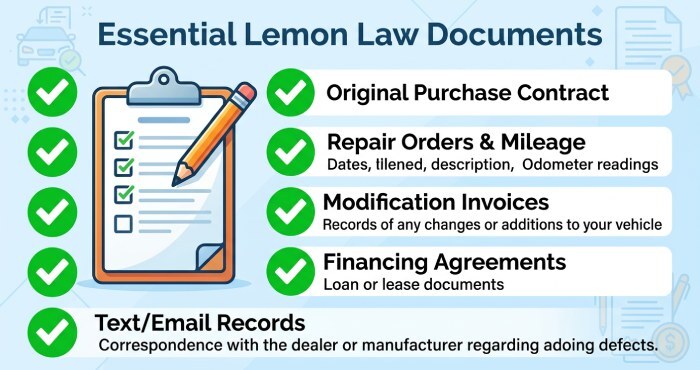
Recovering the value of aftermarket parts, labor, and accessories depends heavily on proof. The stronger the documentation, the better the argument for client compensation. Receipts, invoices, installation details, photographs, repair records, financing documents, and communications with the dealership or manufacturer can all help establish what was added, when it was added, who installed it, and whether it affected the defect.
What May Be Recoverable
Possible recoverable costs in a California Lemon Law claim may include factory-approved accessories, dealer-installed upgrades, towing charges, diagnostic fees, rental car expenses, and other losses connected to the manufacturer’s failure to repair the vehicle within a reasonable number of attempts. In some situations, professional installation costs may also be recoverable if the work was part of the original purchase or directly tied to ongoing defects.
Purely cosmetic aftermarket modifications—such as custom wheels, wraps, lighting, upgraded audio systems, or interior customization—are often more difficult to recover. Performance-related changes like engine tuning, turbochargers, superchargers, or suspension modifications may face additional scrutiny because manufacturers may argue the alterations affected vehicle performance. Still, California Lemon Law claims under the Song-Beverly Consumer Warranty Act depend heavily on evidence, repair history, warranty coverage, and whether the manufacturer can actually prove the modification caused the defect.
Consumers seeking legal advice may want to consult a Lemon Law attorney San Diego ca to review the buyback documents before surrendering the vehicle. A skilled Lemon Law Lawyer can evaluate whether the refund should include dealer-installed equipment, accessory financing, or related expenses. For broader statewide guidance, a Lemon law attorney in California can help determine whether the manufacturer’s position is supported by the Song-Beverly Consumer Warranty Act, the Magnuson-Moss Warranty Act, and applicable warranty coverage rules.
Latest Statistics on Vehicle Modification Financing and Lemon Law Buybacks
Statistical Data
Why It Matters in Lemon Law Buybacks
2% auto loan delinquency rate in 2026
More owners face payment problems during buyback claims.
15.3% increase in serious loan delinquencies
Financing custom parts may increase financial risks.
Average auto loan balance reached $28,000
Higher loan amounts can affect reimbursement calculations.
Subprime delinquency rate exceeded 9%
High-risk borrowers may face added repayment pressure.
Average monthly car payment reached $767
Modified vehicles can create larger financial losses.
Practical Steps Before Modifying, Financing, or Filing a Lemon Law Claim
Practical Steps Before Modifying or Filing a Claim
Review the warranty and purchase documents first
Ask the dealer if modifications may affect warranty coverage
Get all warranty-related answers in writing
Be careful with engine tuning, turbochargers, lift kits, and suspension changes
Use qualified or authorized installers whenever possible
Checklist for Protecting Your Claim
Keep all receipts, repair orders, and installation records
Save emails, text messages, financing documents, and photos
Make sure repair visits include mileage, dates, symptoms, and repair attempts
Document if the problem keeps returning
Request written proof if the manufacturer blames aftermarket parts
Manufacturers usually cannot deny coverage just because modifications exist
Consider speaking with an experienced lemon law attorney before accepting a settlement
Consignment vehicle sales may appear trustworthy because the car is displayed by a dealer, but the actual owner is often a private seller, which can create confusion over responsibility for defects, warranties, repairs, and consumer protections. In California, agencies such as the Los Angeles CountyDepartment of Consumer and Business Affairs and the California Department of Consumer Affairs provide guidance on vehicle purchases, leasing, and fraud prevention, but buyers should still carefully review all terms before purchasing a consignment vehicle.
00:00
Risk #1: Limited Lemon Law Protection Compared With Dealer-Sold Vehicles
Lemon law protections tend to be more robust for new cars that come with manufacturer warranties. In contrast, consignment sales can lead to conflicts regarding liability for defects and necessary repairs. Since consignment agreements might include limited warranties or be sold “as-is,” buyers shouldn’t expect the same level of consumer protections as they would when purchasing a new or certified pre-owned vehicle.
If serious defects appear soon after purchase, speaking with a skilled Lemon law attorney may help clarify whether the vehicle, warranty, or repair history supports a lemon law claim. In some cases, service contracts or extended warranties may provide separate remedies, but they are not the same as lemon law rights.
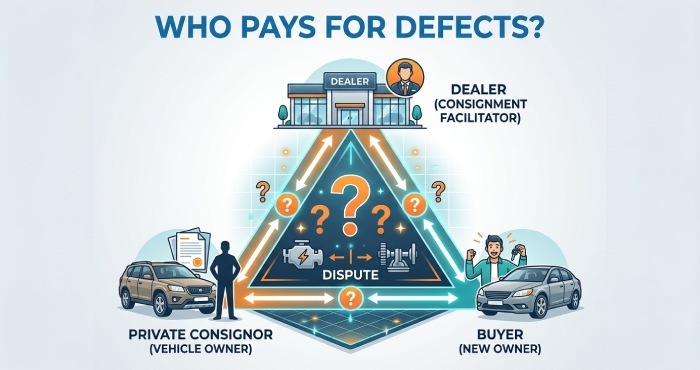
Risk #2: Unclear Accountability Between the Consignor, Dealer, and Buyer
One of the biggest problems with consignments is accountability. The buyer sees the vehicle at a dealership or car lot, negotiates with sales staff, and signs paperwork in a business setting. Yet when defects surface, the dealer may say the consignor is responsible, while the consignor may claim the dealer handled disclosures, pricing, and paperwork.
This creates a difficult contract problem. The written contract may include “as-is” language, limited warranty disclaimers, or statements that the dealer is only an agent. If the buyer later seeks canceling a contract, small claims relief, or a formal dispute process, the first challenge may be identifying who legally owed the duty to disclose unresolved defects.
Risk #3: Hidden Repair Histories That May Not Appear in Vehicle Reports
A clean vehicle history report does not guarantee a problem-free used car, especially in consignments where repairs, recurring mechanical issues, open recalls, or warranty exclusions may never appear in public records, making it important for buyers to review maintenance records, recall databases, and warranty details before purchasing.
Documentation to Request Before Signing
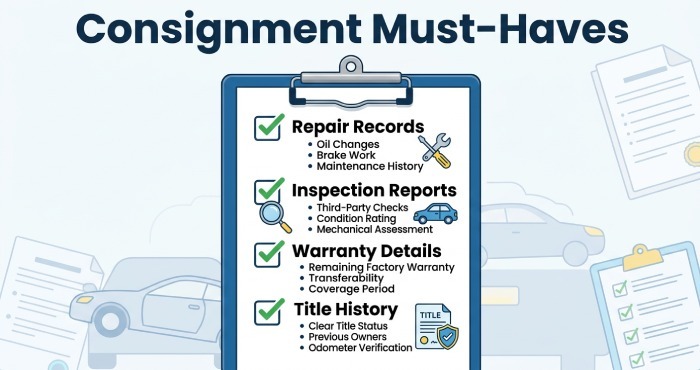
Before buying a vehicle, request repair records, inspection and smog reports, warranty details, title history, and written defect disclosures. If recent car repairs were completed, ask for receipts showing the repair date, mileage, shop information, and parts used. Families should also confirm child car seat compatibility, airbag status, and safety recalls. Keeping detailed documentation can strengthen fraud prevention efforts and provide helpful evidence for credit card disputes, agency complaints, or small claims cases if problems arise later.
Risk #4: As-Is Terms That Shift Defect Costs to the Buyer
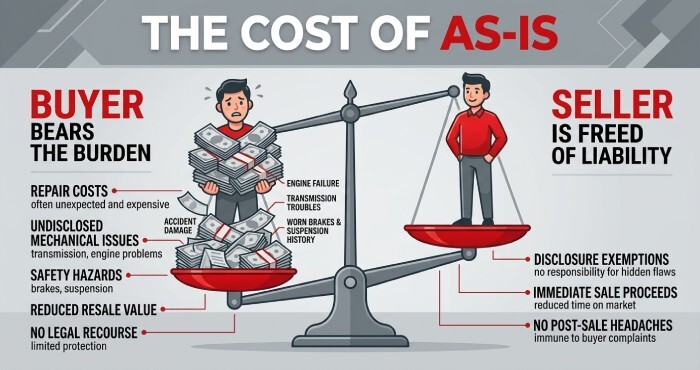
Numerous consignment contracts feature “as-is” provisions, indicating that the buyer could inherit pre-existing or concealed issues with the vehicle after the sale. Typically, repair costs fall to the buyer unless evidence of fraud, misrepresentation, warranty breaches, or other consumer protection violations is presented.
The potential for such risks can be greater in consignment transactions, as dealers and consignors may restrict warranty protections or absolve themselves of responsibility for any defects. While California’s Car Buyer Bill of Rights offers some consumer safeguards through its disclosure and financing requirements, it remains crucial for buyers to meticulously examine all contracts, warranties, and service agreements before finalizing their purchase.
Risk #5: Difficulty Proving the Seller Knew About Unresolved Defects
Even when a defect is serious, proving knowledge can be difficult. A buyer may suspect that the consignor or dealer knew about an unresolved defect, but suspicion is not evidence. To prove concealment or fraud, the buyer often needs repair records, inspection notes, advertisements, text messages, emails, prior owner statements, or mechanic testimony.
Evidence That Can Strengthen a Defect Claim
Documents including inspection reports, records of frequent repairs, diagnostic codes, recalls, discrepancies in mileage, and written commitments from sellers can bolster a buyer’s argument when facing disputes, mediation, or appeals. Additionally, financial documents such as credit reports, loan agreements, and payment confirmations could uncover deceptive sales tactics. Moreover, fraud alerts and security freezes serve as valuable tools for safeguarding consumers against identity theft or credit fraud associated with car buying or leasing.
Risk #6: Financing and Warranty Gaps That Leave Buyers Exposed
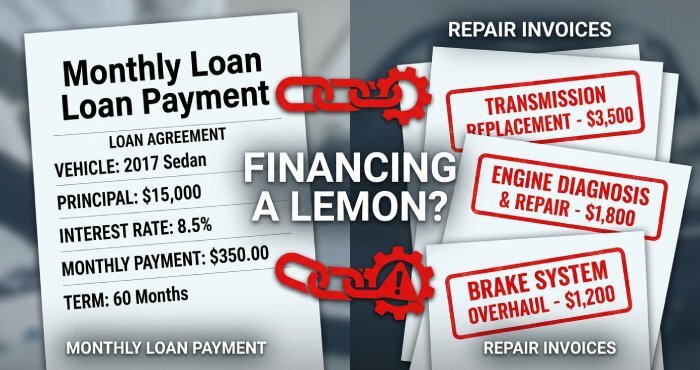
Unresolved vehicle defects can become even more costly when financing is involved, leaving buyers stuck making payments on a car needing immediate repairs while risking credit damage, repossession, or pressure from collection agencies if they fall behind. Similar issues can arise with car leasing, so whether buying or leasing a new or used vehicle, consumers should carefully compare the financing terms with the vehicle’s true condition before committing.
Why Optional Products May Not Solve the Problem
Service contracts, extended warranties, and maintenance plans can provide protection, but they do not replace a proper vehicle inspection, especially since many warranties limit coverage, require maintenance records, or deny claims for preexisting defects, making it important for buyers to carefully review financing terms and consider financial counseling resources before accepting costly loans on a potentially defective vehicle.
A Lemon Law Lawyer California may be able to evaluate whether financing documents, warranty terms, service contracts, and repair history support a claim under the lemon law or other consumer protection statutes.
Risk #7: Reduced Legal Remedies if Defects Surface After Purchase
The longer a buyer waits to act, the harder it may be to prove the defect existed before the sale. Legal remedies can narrow if the vehicle was sold as-is, the warranty expired, the service contracts exclude coverage, or the extended warranties administrator denies responsibility. This is why prompt inspections and written complaints are essential after defects appear.
Buyers should document every repair attempt, save all car repairs invoices, and communicate in writing. If the seller refuses help, consumers may file a complaint with DCBA, the California Department of Consumer Affairs, or other agencies. They may also request mediation, use mediation services, pursue small claims, or consult counsel about contracts disputes, fraud, or lemon law options. In some situations, a Lemon Law attorney San Diego ca can assess whether the lemon law, consumer protection statutes, or warranty law offers relief.
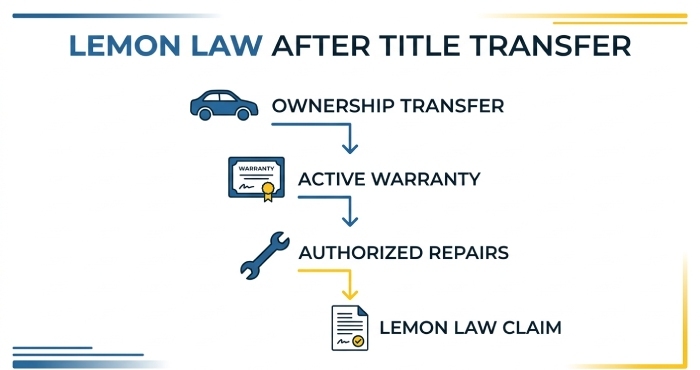
In California, vehicle owners can still benefit from lemon law protections even if the title has been transferred, depending on the warranty conditions and the vehicle’s repair history. It’s often surprising for many buyers to discover that manufacturers can still be held accountable for faulty vehicles after ownership shifts. Knowing how lemon law rights are affected by such transfers can help both buyers and sellers sidestep expensive errors.
00:00
Core Rules After a Vehicle Ownership Transfer
California lemon law is designed to protect consumers who are stuck with defective vehicles that cannot be repaired within a reasonable number of repair attempts during the applicable warranty period. A vehicle ownership transfer does not automatically erase every legal right connected to a car, truck, SUV, or other covered motor vehicles—but it can change the strength, timing, and proof required for compensation claims.
In California, the key issue is usually whether the transferred vehicle remains covered by a manufacturer’s express warranty,certified pre-owned warranty, dealer warranty, or another statutory warranty at the time the defect is reported. Manufacturer liability generally depends on whether the defect arose during the warranty period and whether the manufacturer or its authorized dealer had a fair opportunity to repair it.
What a Vehicle Title Transfer Means Under California Lemon Law
A vehicle title transfer changes the legal ownership of a vehicle through the California DMV, but it does not remove manufacturing defects or cancel manufacturer liability under California lemon law. If the vehicle is still under warranty and the defect affects its use, value, or safety, repair records and ownership documents remain important evidence.
This is why buyers of transferred defective vehicles should review:
The original in-service date
The remaining warranty period
Prior repair receipts
Purchase agreements and title documents
Dealer inspection reports
Any manufacturer communications
Whether the vehicle was sold as certified pre-owned or “as is”
A Lemon Law Lawyer can help evaluate whether a vehicle ownership transfer affects compensation claims, especially when ownership issues, warranty coverage, or prior repair attempts are disputed.
When Lemon Law Rights May Transfer to a New Owner
Lemon law rights may transfer if the manufacturer warranty transfers with the vehicle. Since most warranties follow the vehicle, a new owner may still have legal rights if covered defects continue after the ownership transfer.
Manufacturer liability is stronger when the same unresolved defect—such as engine, electrical, or braking problems—continues despite repeated repair attempts.
Limits, Sales Context, and Warranty Coverage
Key Limits: Used Cars, Private Sales, and Warranty Coverage
One major limitation after a vehicle ownership transfer is warranty coverage, because California lemon law does not protect every used car problem. If the vehicle is out of warranty or purchased through a private sale without warranty coverage, legal protections may be limited, and buyers may need to rely on fraud, misrepresentation, or contract-related claims if defects were intentionally hidden.
Used cars may still qualify when:
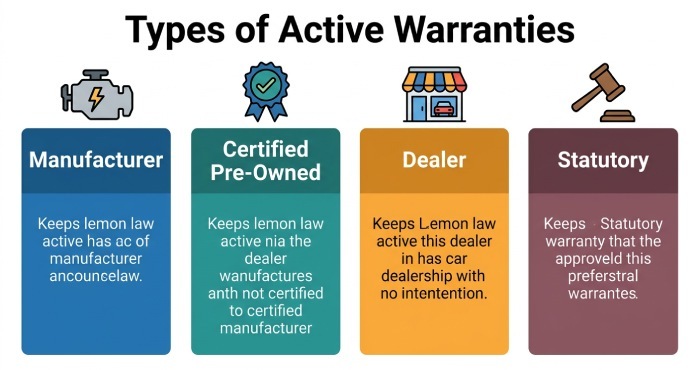
The original manufacturer warranty remains active
A certified pre-owned warranty applies
A dealer warranty or statutory warranty is included
The defect was reported during the warranty period
The manufacturer failed to complete reasonable repair attempts
Buyers should be careful with “as is” vehicle sales because they may still have legal rights for fraud, hidden salvage history, or warranty-related defects. An Experienced California lemon law attorney can review whether the used vehicle still qualifies for compensation claims.
Building and Pursuing a Strong Post-Transfer Claim
Documents Needed to Support a Lemon Law Claim After Transfer
After a title transfer, strong documentation helps prove warranty coverage and defect history under California lemon law.
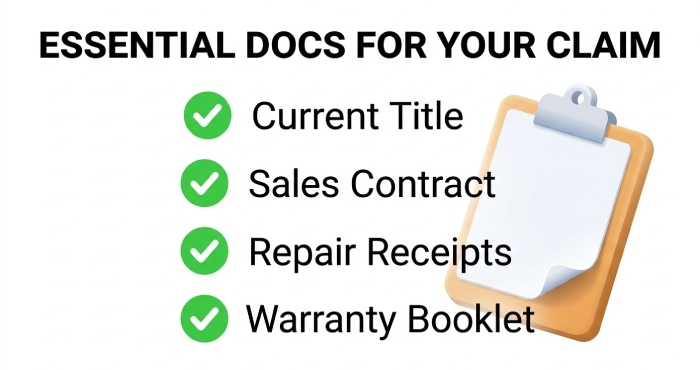
Important documentation includes:
Current title and vehicle registration
Sales contract or purchase agreements
Warranty booklet and in-service date
Certified pre-owned documents, if applicable
Repair receipts from authorized dealers
Diagnostic reports and inspection records
Written complaints to the dealer or manufacturer
Emails, text messages, and call logs
Loan or lease records from financial institutions
Any prior owner repair history
Repair receipts help prove repeated repair attempts and recurring defects. Records of long dealer downtime or serious safety issues may strengthen a lemon law claim.
For consumers needing California-specific guidance, a California Lemon Law attorney San Diego can review the warranty period, repair records, and title history to determine whether the transferred vehicle may qualify.
Steps to Take if a Transferred Vehicle Has Ongoing Defects
Confirm warranty coverage immediately. Check the original sale date, mileage limits, certified pre-owned coverage, and any statutory warranty that may apply.
Use an authorized dealer for repairs. Manufacturer liability is easier to prove when repair attempts are made through authorized facilities.
Describe the defect consistently. Use the same clear language each time. For example, “engine stalls while driving,” “transmission slips,” or “brake warning light returns.”
Keep all repair receipts. Every visit should include the complaint, diagnosis, repair performed, mileage, and dates out of service.
Submit a written claim. A formal claim submission to the manufacturer can begin the refund process or replacement or refund evaluation.
Avoid informal side deals. Dealer cooperation is helpful, but undocumented promises can create ownership issues and weaken legal rights.
Escalate if repairs fail. If the manufacturer refuses to act, consumers may pursue arbitration, court claims, or civil action depending on the facts.
A vehicle title transfer does not automatically eliminate California lemon law rights if the defect occurred during an active warranty period and repair attempts were unsuccessful. Strong documentation, including repair records and warranty details, is critical to proving manufacturer liability after ownership changes. Consumers dealing with ongoing defects in transferred vehicles should act quickly to protect their rights and evaluate potential compensation claims.