
A California lemon law buyback may seem simple, but missing details can reduce the compensation you receive. The Song-Beverly Consumer Warranty Act allows eligible consumers to seek a vehicle repurchase when warranty repairs fail. Reviewing every part of the buyback offer helps ensure you receive all payments you may be entitled to.
1: Accepting a Buyback Offer Before Confirming the Full Refund Formula
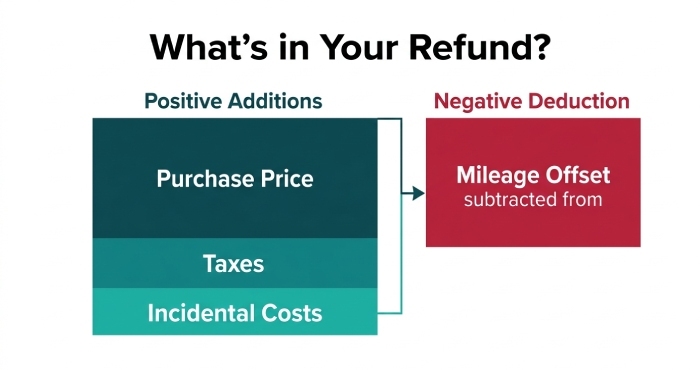
The first trap is assuming the number in the offer letter is the correct buyback refund. Under the California lemon law, a lemon law buyback generally includes the down payment, monthly payments, registration-related charges, and other eligible payments, minus a mileage offset.
A proper refund calculation should account for what the Consumer actually paid, not just the current value of the vehicle. The Song-Beverly Consumer Warranty Act is not a trade-in statute; it is designed to restore consumers when warranty coverage fails. A lemon law attorney can review whether the manufacturer buyback offer includes all recoverable amounts.
What Should Be Included in the Refund Calculation?
The buyback process should account for the purchase price or lease payments, sales tax, vehicle registration, finance charges, and certain incidental damages. If the Manufacturer leaves out towing, rental cars, rideshare costs through Uber or Lyft, or other out-of-pocket costs caused by the defect, the offer may be incomplete.
The Difference Between Value and Statutory Refund
A vehicle repurchase is not based on what the Dealer says the car is worth today. California lemon law focuses on the statutory refund formula, warranty coverage, and the impact of the defect during the manufacturer’s warranty period.
2: Overlooking the Mileage Offset Deduction in California Lemon Law Claims
The mileage offset in a California Lemon Law buyback is typically based on the miles driven before the first repair attempt for the defect. An incorrect calculation can significantly reduce your refund, so reviewing repair records and the first qualifying service visit is essential before accepting a buyback offer.
3: Letting the Manufacturer Undervalue Taxes, Registration, and Incidental Costs
A lemon law buyback should accurately include eligible sales tax, registration fees, and other recoverable costs. Keep receipts and records for expenses such as rental cars, towing, or rideshare trips, as proper documentation can help support reimbursement for incidental damages.
4: Assuming the First Offer Is the Best the Automaker Will Make
The first settlement offer from a manufacturer is not always the maximum amount available under California Lemon Law. If your vehicle has repeated warranty repairs, a serious safety defect, or extended time in the repair shop, you may qualify for a higher refund or a full buyback under the Song-Beverly Consumer Warranty Act, so review any offer carefully before accepting it.
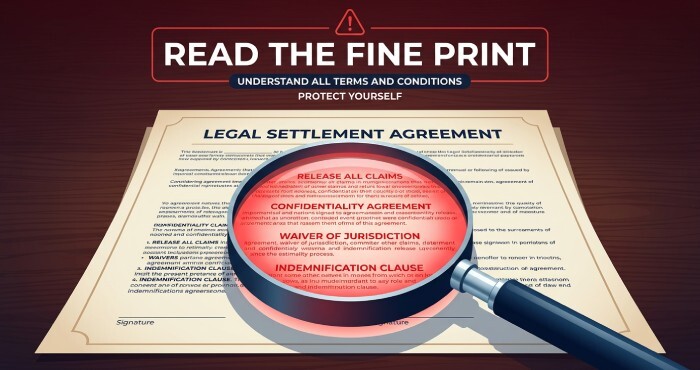
5: Missing Hidden Release Language That Waives Future Legal Rights
A lemon law settlement agreement may include release terms that waive more rights than expected, including future claims against the manufacturer or related parties. Before signing, review the agreement carefully to ensure the release is limited to the vehicle buyback and does not unnecessarily affect other legal or warranty rights.
6: Failing to Account for Loan Payoff, Negative Equity, or Lease Obligations
If your vehicle is financed or leased, a lemon law buyback should clearly explain how the loan or lease payoff will be handled. Before accepting a settlement, confirm that it resolves any remaining financial obligations, including lender or lessor balances, to avoid unexpected costs or delays.
7: Agreeing to a Replacement Vehicle Without Comparing It to a Refund
A replacement vehicle is not always the best outcome under California Lemon Law. Before accepting one, compare it with a refund to understand differences in financing, warranty coverage, monthly payments, and overall value, especially if the replacement is a certified pre-owned vehicle.
When a Replacement May Be Less Favorable
If the original vehicle had repeated repair attempts, a recurring safety defect, or extensive time out of service, a full lemon law buyback may be better than a replacement vehicle. A qualified California lemon law lawyer can compare the legal and financial consequences before the Consumer commits.
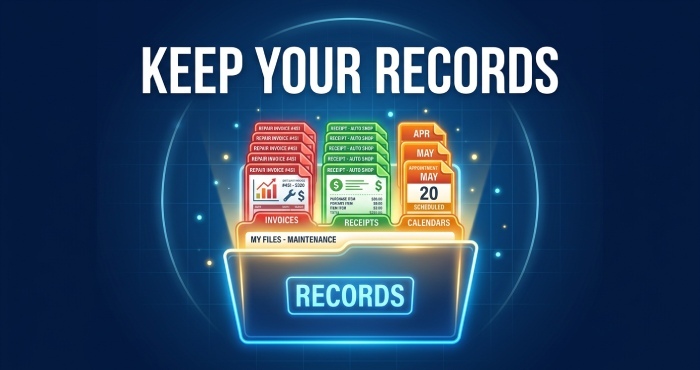
8: Not Documenting Repair Attempts, Downtime, and Dealer Communications
Strong repair records are essential for a successful California Lemon Law claim. Keep all repair orders, service dates, and written communications, as these documents help prove the defect persisted despite multiple repair attempts and support your eligibility for a refund or buyback.
9: Waiting Too Long to Contact a Lemon Law Lawyer in California
Acting early can strengthen your California Lemon Law claim. If your vehicle has repeated repair attempts, extended downtime, or the manufacturer suggests arbitration, consulting a lemon law attorney promptly can help protect your rights and improve your chances of a successful buyback or settlement.
California State drivers with RV or motor home problems may need advice from an rv lemon law attorney because large recreational vehicles often involve multiple warranty providers and complex inspection issues. Consumers in Southern California may also consult a lemon law attorney san diego when the buyback process involves local Dealers, return logistics, or regional manufacturer representatives.
Organizations such as Lemon Law Group Partners and other California lemon law firms often emphasize early review because documentation, warranty coverage, and timeline issues are easier to address before settlement pressure begins.
10: Signing Settlement Paperwork Before Reviewing Attorney Fee Protections
California’s lemon law allows Consumers who prevail under the Song-Beverly Consumer Warranty Act to recover reasonable attorney’s fees from the Manufacturer. Those fees should be paid separately and should not reduce the buyback refund, cash settlement, or repurchase amount.
Before completing a lemon law buyback, Consumers should review the refund calculation, mileage offset, loan or lease payoff, DMV paperwork, release terms, and payment timeline. Confirming these details helps ensure the buyback resolves the issue without unexpected financial complications.