How California Lemon Law Defines a “Lemon” and Why Dealership Conduct Matters
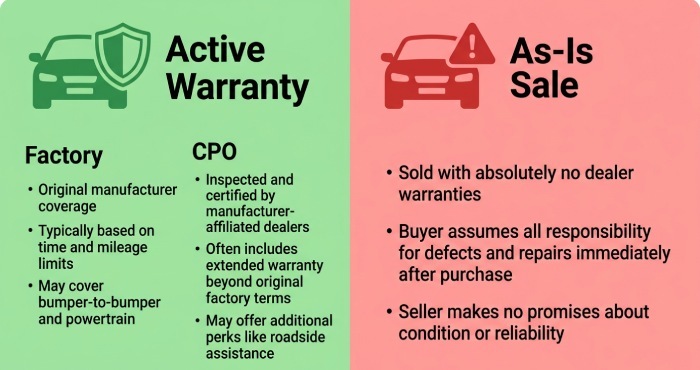
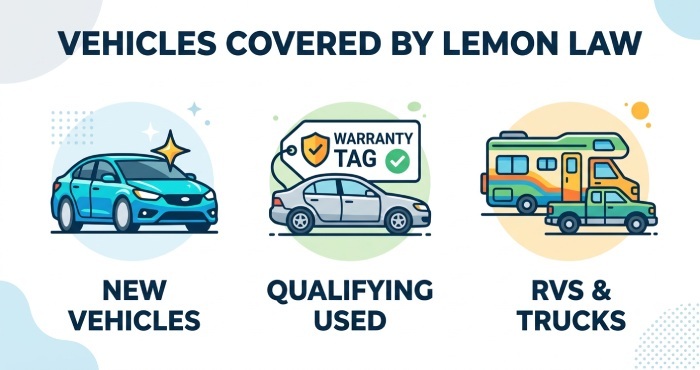
California Lemon Law is rooted in the Song-Beverly Consumer Warranty Act and strengthened by the Tanner Act. In practical terms, a vehicle may qualify as a lemon when it has substantial vehicle defects covered by a manufacturer’s warranty or express warranty, and the Manufacturer or its authorized repair network cannot fix those vehicle defects after a reasonable number of repair attempts. The law applies most often to new vehicles, but it can also apply to used vehicles and certified used cars when they are sold with an active manufacturer’s warranty, dealer express warranty, or qualifying service contract.
The Legal Standard: Defect, Warranty, and Failed Repair Attempts
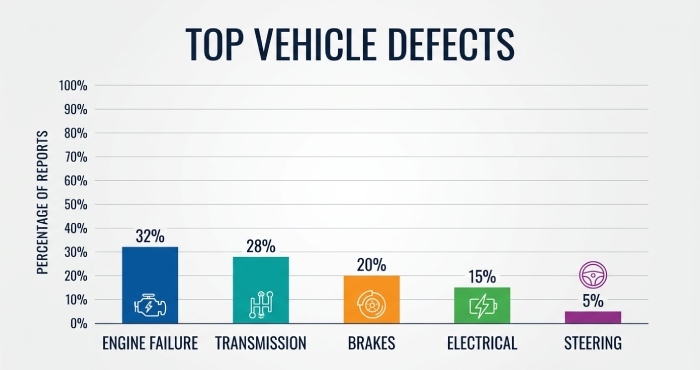
A defective vehicle does not become a lemon merely because it is inconvenient or disappointing. The defect must substantially impair the vehicle’s use, value, or safety. Common vehicle defects include engine failure, transmission problems, braking defects, electrical failures, steering issues, repeated check-engine lights, and unresolved safety recall concerns.
Under California Lemon Law, the core questions are:
Is the Defect Covered by Warranty?
The issue must generally arise during the manufacturer’s warranty, express warranty, or another applicable written warranty law protection. A service contract or extended warranty may provide separate repair rights, but it is not always the same as a manufacturer’s warranty. That distinction matters when evaluating dealership responsibilities and manufacturer responsibilities.
Were There Enough Repair Attempts?
The Tanner Act helps determine whether a manufacturer has had a reasonable number of repair opportunities, with two attempts potentially being enough for serious safety defects. Dealership repair orders, diagnostic notes, parts delays, and customer complaints can provide key evidence when pursuing a lemon law buyback, vehicle replacement, or repurchase.
Dealership Responsibilities During Warranty Repairs: Documentation, Timelines, and Communication
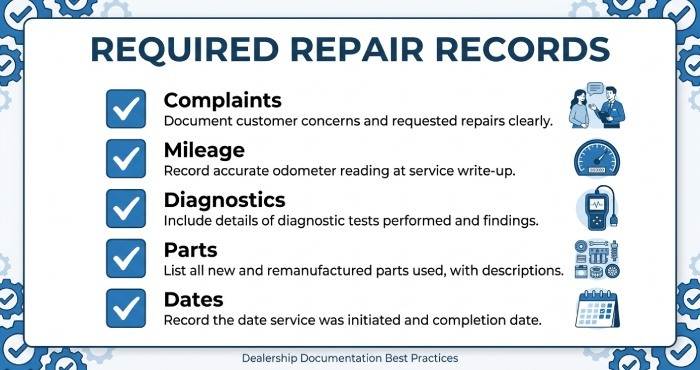
Dealership responsibilities include accurately documenting customer complaints, mileage, diagnostic findings, parts used, repairs performed, and repair dates. These records can support a California Lemon Law claim by showing the vehicle’s repair history and the manufacturer’s opportunities to fix the defect.
What a Complete Repair Order Should Show
A strong repair file should clearly record the customer’s specific complaint and identify whether repairs were covered by a manufacturer warranty, express warranty, service contract, or extended warranty. For certified used cars, dealers should also clarify which warranty applies. Complete repair records are important because certified vehicles are marketed as inspected and reliable, making missing or unclear documentation a potential consumer rights concern.
Delays, Parts Backorders, and Repeated No-Problem-Found Visits
California Lemon Law does not allow endless delay. If a vehicle is kept out of service for an extended period, or if repair attempts repeatedly end with “no problem found,” those facts may support a claim. Dealership responsibilities include communicating honestly about timelines, parts availability, and whether the Manufacturer has issued technical service bulletins, campaign repairs, or recall instructions.
Communication Duties That Affect the Claim
Dealers should explain warranty coverage, provide copies of repair orders, identify whether a repair is customer-pay or warranty-pay, and avoid discouraging a buyer from documenting recurring vehicle defects. When a service contract applies, the Dealer should also explain authorization requirements, deductible obligations, and whether a service contract refund may be available if the vehicle is later repurchased.
What Dealers Must Disclose About Known Defects, Recalls, and Vehicle History
California dealers operate under disclosure requirements that go beyond salesmanship. The Car Buyer’s Bill of Rights, California Department of Motor Vehicles rules, and consumer protection laws restrict misleading practices in vehicle sales. A Dealer that hides known defects, fails to provide required notices, or misrepresents warranty coverage may expose itself to auto fraud claims in addition to lemon law issues.
Recalls, Prior Damage, and Buyback History
Before selling used or certified vehicles, dealers should review available vehicle history and recall information, including NMVTIS records when applicable. These sources can reveal branded titles, salvage history, total-loss indicators, and safety recalls. Proper disclosure is important because failing to disclose significant vehicle history reports or safety issues may raise concerns with California consumer protection and regulatory agencies.
Special Rules for Certified Used Cars
Certified used cars cannot be marketed as “certified” if they fall into certain prohibited categories, such as prior lemon law buyback vehicles, vehicles with certain title brands, odometer issues, or unrepaired damage that conflicts with certification standards. If a prior lemon law buyback is resold, California requires a buyback disclosure and, in many circumstances, a lemon sticker identifying the vehicle’s history.
Sales Documents Buyers Should Review
Key documents include the sales contract, itemized price list, credit score disclosure, vehicle registration paperwork, service contract, extended warranty documents, and any contract cancellation option notice under the Car Buyer’s Bill of Rights. For an out of state vehicle, buyers should be especially careful to verify title branding, warranty transferability, and NMVTIS report data before relying on dealer representations.
How a Lemon Law Lawyer in California Helps Buyers Hold Dealerships and Manufacturers Accountable
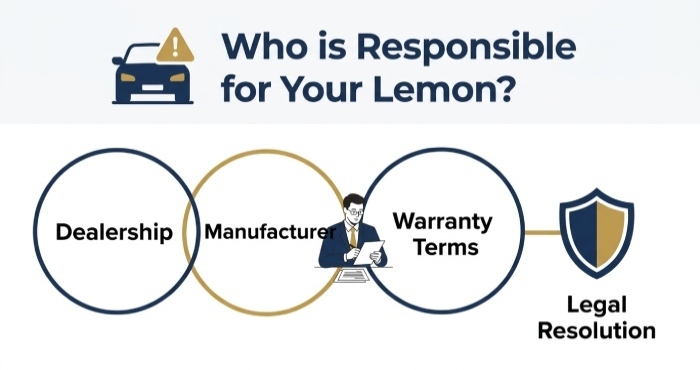
A lemon law lawyer can evaluate whether the facts support a California Lemon Law claim, an auto fraud claim, or another warranty dispute. Because dealership responsibilities, manufacturer responsibilities, warranty terms, and repair attempts overlap, an experienced lemon law lawyer can identify which party is legally responsible and which documents prove the claim.
What an Attorney Reviews First
During an attorney consultation, a lemon law lawyer typically reviews the sales contract, repair orders, manufacturer’s warranty booklet, express warranty terms, service contract, extended warranty, vehicle history report, recall records, and communications with the Dealer or Manufacturer. For certified used cars, the attorney will also look closely at certification paperwork, inspection checklists, disclosure requirements, and any buyback disclosure.
A lemon law lawyer can organize repair records, challenge incomplete dealership documentation, obtain manufacturer communications, and pursue a buyback, repurchase, or vehicle replacement. They can also identify dealer violations, warranty misrepresentation, improper credit risk disclosures, or issues with certified used vehicles. Because California Lemon Law claims often depend on repair orders, warranty records, and documented defects, strong legal guidance can help protect consumer rights and pursue the compensation or remedy owed.
Factor #1: Where the Vehicle Was Purchased or Leased
California purchase vs. out-of-state purchase
The first issue in an out-of-state Lemon Law claim is where the vehicle was purchased or leased. California Lemon Law generally provides stronger protection when a vehicle is acquired in California from a dealership or authorized seller, including qualifying new, used, certified pre-owned, demonstration, truck, SUV, and recreational vehicles. For vehicles purchased elsewhere, an attorney may examine California connections such as registration, repairs at California dealerships or auto shops, and the manufacturer’s business activity in the state.
Used vehicles and active warranty status
Used vehicles can still qualify under California Lemon Law if they were sold with an active warranty, including remaining factory warranty coverage or a certified pre-owned warranty. A used car dealership sale may also matter if the dealer provided written warranty coverage. In contrast, used vehicles sold “as is” are harder to pursue unless another consumer protection theory applies.
Factor #2: Whether the Manufacturer Does Business in California
Manufacturer presence and legal responsibility
A key factor is whether the manufacturer does business in California through sales, distribution, authorized dealerships, service centers, warranty administrators, or regional representatives. These connections may support a California Lemon Law claim, particularly when the manufacturer has had a reasonable opportunity to repair defects covered by its warranty.
Dealership repairs and manufacturer notice
Repairs performed at a California dealership often count as notice to the manufacturer. Each repair order can help show repair attempts, recurring vehicle defects, and whether reasonable repairs were made during the warranty period. If the manufacturer later issues a claim denial, those records may become central evidence.
Factor #3: The Vehicle’s Warranty Coverage and Repair History
Manufacturer’s warranty is the backbone of the claim
The manufacturer’s warranty is central to a California Lemon Law claim because consumers generally need to show that the vehicle defect arose and was presented for repair during the applicable warranty period. Coverage may include bumper-to-bumper, powertrain, emissions, corrosion, RV, or specialty-component warranties, while defects outside warranty coverage can make a lemon law claim more difficult to establish.
Why repair history matters
A strong repair history shows patterns. A lemon law lawyer will review repair orders, mileage, dates, complaints, parts replaced, technician notes, and whether the same problem reappeared. Multiple repair attempts for brakes, transmission issues, electrical failures, engine stalling, steering defects, or safety system malfunctions may support a finding that the vehicle has a substantial defect.
New vehicles, used vehicles, and lemon vehicles
California Lemon Law can apply to new and qualifying used vehicles when warranty coverage and repair evidence support the claim. Recurring defects that substantially affect a vehicle’s use, value, or safety may qualify, potentially leading to a buyback, replacement vehicle, loan or lease payoff, refunds, registration fees, and, in some cases, civil penalties for willful violations.
Factor #4: How Much Time the Vehicle Spent in California
California use, registration, and repairs
For an out-of-state vehicle, its use, registration, and repair history in California may affect a Lemon Law claim. An attorney may consider when defects began, where repairs occurred, whether the vehicle was registered or regularly driven in California, and whether California service centers honored the manufacturer’s warranty. Defects first reported elsewhere but repeatedly repaired in California may require a careful case evaluation.
Military exemption and U.S. Armed Forces members
Special issues may arise for members of the U.S. Armed Forces. A military exemption or related statutory provision may help service members who purchased or registered a vehicle in another state but are stationed in California. Because these rules are technical, an experienced attorney should review the facts before assuming a claim is excluded.
Alemon law attorney san diego may be especially helpful for service members, commuters, students, and relocated workers whose out-of-state vehicle spends substantial time in California.
Factor #5: Documentation of Defects, Repairs, and Dealer Communications
Records that can make or break the case
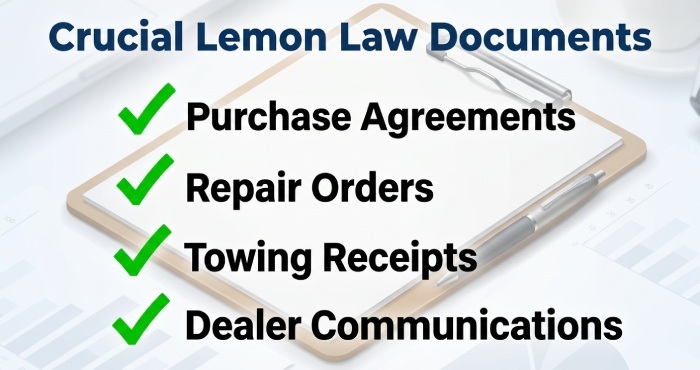
Documentation can make a major difference in a Lemon Law claim, so consumers should keep purchase or lease agreements, warranty documents, repair orders, towing and rental receipts, communications, and manufacturer case numbers. Detailed descriptions of recurring defects, such as engine stalling or transmission jerking, can also provide stronger evidence than vague complaints.
Evidence beyond repair invoices
Photos, videos, warning lights, and written timelines can strengthen a Lemon Law claim, while formal repair records remain the most important evidence. An attorney may also review technical service bulletins, recalls, expert inspections, and manufacturer communications to determine whether reasonable repairs failed and whether settlement negotiations or litigation may be appropriate.
Factor #6: Differences Between California Lemon Law and the Other State’s Laws
Why state law differences matter
California Lemon Law is considered a strong consumer protection law, but out-of-state claims may require comparing California rules with the laws of the state where the vehicle was purchased. A california lemon law lawyer can assess whether California Lemon Law, another state’s lemon law, warranty law, or federal warranty law offers the strongest path for new, used, or border-state vehicle claims.
Remedies may differ by state
California remedies may include vehicle repurchase, replacement vehicle, compensation for vehicle losses, incidental damages, registration fees, loan/lease payoff, and sometimes civil penalties. Other states may limit recovery or handle a buyback differently. The availability of a repurchase or vehicle buyback depends on the facts, the manufacturer’s warranty, and the applicable law.
Lemon RV, trucks, and specialty vehicles
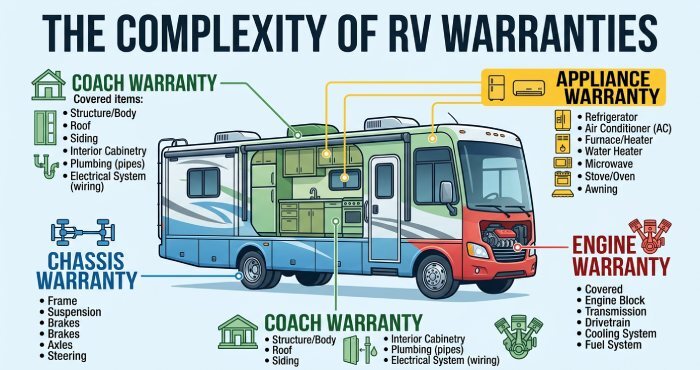
A lemon RV, defective truck, or recreational vehicle may involve additional complexity because multiple warranties can apply: chassis, engine, coach, appliances, and installed components. Consumers dealing with a motorhome or recreational vehicle may want guidance from anrv lemon law attorney who understands how California Lemon Law treats layered warranty coverage.
Factor #7: Why Working With an Out-of-State Lemon Law Lawyer in California Matters
Case Review, Strategy, and Legal Representation
Working with an out-of-state lemon law lawyer in California can simplify complex issues involving jurisdiction, warranties, repairs, and available remedies. An attorney can review the case, identify responsible parties, challenge claim denials, negotiate with the manufacturer, and seek compensation, including attorney fees when permitted.
How a Lemon Law Attorney Strengthens the Claim
A lemon law attorney connects purchase details, California repairs, warranty terms, and recurring defects to build a stronger claim. They can pursue remedies such as a buyback, replacement, refund, or settlement while preserving evidence, meeting deadlines, and preparing the case for litigation if necessary.
How Fraud Intersects with California Lemon Law Claims
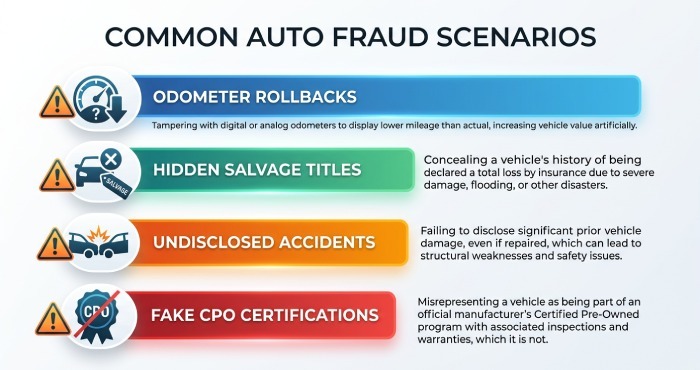
California Lemon Law typically applies when a defective vehicle cannot be reasonably repaired after repeated warranty repair attempts, but some cases also involve auto dealer fraud. A dealer may conceal prior damage, misstate mileage, hide salvage history, misrepresent certified pre-owned status, or fail to disclose that a vehicle was previously repurchased by the manufacturer.
While California Lemon Law focuses on warranty-covered defects and reasonable repair opportunities, car dealer fraud concerns misleading or undisclosed information provided before the sale. ACalifornia lemon law lawyer may investigate repair records, sales documents, accident history, odometer records, and CPO inspections to determine whether both warranty and fraud claims may apply.
Consumers throughout California may seek legal guidance after repeated repair attempts or after discovering undisclosed vehicle problems. A lawyer can evaluate whether the facts may support a California Lemon Law claim, a separate fraud or misrepresentation claim, or both. In qualifying California Lemon Law cases, attorney’s fees may be recoverable from the manufacturer.
Common Fraud Scenarios: Odometer Rollbacks, Salvage Titles, and Concealed Accident History
Odometer Rollbacks and Mileage Misstatements
An odometer discrepancy can raise potential odometer-fraud or misrepresentation issues, particularly when mileage was knowingly altered or misrepresented. A lemon law lawyer may compare sales documents, DMV records, service and auction histories, Carfax reports, and repair invoices to identify mileage inconsistencies. If the actual mileage is higher than represented, the dispute may extend beyond warranty repairs into broader consumer protection claims.
Salvage Titles, Prior Accidents, and Branded History
Another common dealer fraud scenario involves failing to disclose a prior total loss, salvage title, or major structural damage. Problems such as hidden frame damage, airbag defects, water intrusion, electrical failures, or compromised safety systems can make the vehicle unsafe and significantly reduce its value. A lemon law attorney may investigate both the manufacturer’s warranty history and the dealership’s pre-sale conduct, particularly when a vehicle was advertised as certified pre-owned despite prior collision damage or incomplete repairs.
Online Sales and Certified Pre-Owned Problems
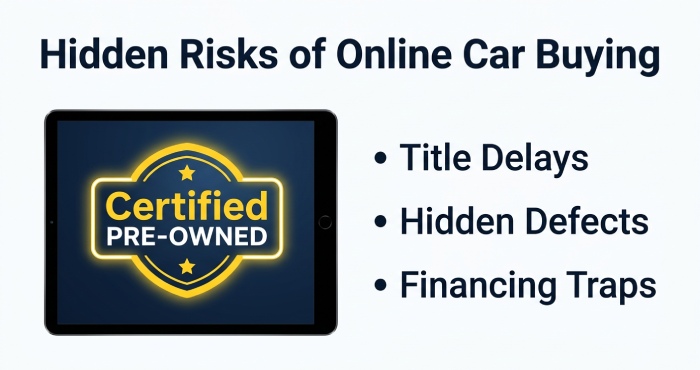
Modern auto dealer fraud can also occur through online vehicle sellers, where buyers may later discover title delays, undisclosed defects, financing issues, or misleading advertising. A certified pre-owned label does not guarantee that a vehicle is defect-free, particularly if the inspection was incomplete or prior damage was overlooked. A lemon law attorney may review the certification, warranty repair history, unresolved complaints, and whether the vehicle was properly inspected and reasonably repaired before resale.
Hidden Defects and Dealer Misrepresentations: What Buyers Should Watch For
Hidden defects may appear weeks or months after purchase, including transmission hesitation, engine stalling, brake problems, water leaks, electrical issues, suspension noise, or driver-assistance malfunctions.When a substantial defect affects a vehicle’s safety, value, or use, and the vehicle otherwise meets California Lemon Law requirements, the defect may support a Lemon Law claim. Buyers should also be cautious when sellers minimize a vehicle’s repair history, fail to disclose known problems, discourage reasonable inspections, or rely solely on a “clean” vehicle history report, because such reports may not include every accident, auction record, repair, or other event in a vehicle’s history.
Dealer misrepresentations may include:
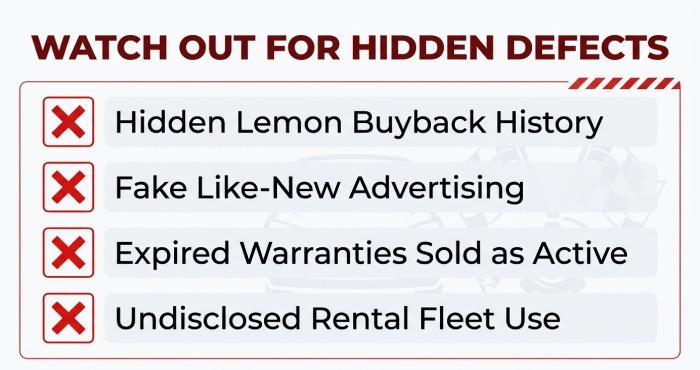
Advertising a defective vehicle as “like new” or certified pre-owned despite known mechanical defects
Stating that a manufacturer’s warranty remains active when coverage is limited or expired
Failing to disclose that a car was a demonstration vehicle, rental, fleet vehicle, or prior lemon car
Adding undisclosed charges or products to a vehicle purchase or financing agreement may raise separate consumer-protection or financing issues.
Misstating the buyer’s obligations to a finance company or mishandling payoff, title, or registration documents
Similar issues can arise with motorcycles and recreational vehicles when buyers discover undisclosed defects, inaccurate vehicle history, or warranty-related problems after purchase. RV defects may involve both the vehicle and its living systems, so consumers experiencing recurring warranty problems with a motor home or recreational vehicle may benefit from consulting an RV Lemon Law attorney about their potential rights and remedies.
Remedies, Compensation, and Next Steps for Consumers
When California Lemon Law applies, available remedies may include a vehicle buyback, replacement vehicle, incidental damages, civil penalties in qualifying cases, and manufacturer-paid attorney’s fees. Separate dealer fraud or consumer-protection claims may provide additional remedies depending on the facts and applicable law. If a manufacturer is unable to repair a substantial warranty-covered defect within a reasonable number of attempts, the consumer may qualify for Lemon Law relief. Misrepresentations about a vehicle’s certified pre-owned status, accident history, prior ownership, or warranty coverage may also raise separate claims against a dealer or other responsible party.
Consumers should take these next steps:
Keep every repair invoice, repair order, text message, email, advertisement, and financing document. 2. Request the full service history from the authorized dealer. 3. Save the Carfax report, inspection documents, and certified pre-owned paperwork. 4. Do not ignore recurring mechanical defects or vehicle safety problems. 5. Seek a free consultation before accepting a trade-in, repossession, or low settlement offer.
A qualified lemon law attorney can evaluate whether a defective vehicle qualifies under California Lemon Law, whether potential dealer misrepresentation or fraud may be involved, and whether claims may apply against the dealer, manufacturer, or finance company. Consumers in San Diego and throughout California can seek legal guidance when they discover hidden defects, undisclosed vehicle history, certified pre-owned concerns, or unresolved warranty repair problems.
Why California Lemon Law Matters for Active-Duty Military Members
For military service members, a vehicle is often more than transportation. It may be the family’s only way to get to base, medical appointments, childcare, training, or a new duty station. When a car, truck, SUV, RV, or motorcycle develops repeat defects, the financial and logistical strain can be severe—especially for active duty families already dealing with relocation, deployment, and economic hardship.
California Lemon Law can be especially important for military service members bdecause California law provides specific protections that may allow qualifying Armed Forces members to pursue a Lemon Law claim even when their vehicle was purchased or registered outside California. These protections are tied to the Song Beverly Consumer Warranty Act, the state’s core consumer warranty law, and CA Civil Code 1795.8, which addresses certain rights for a member of the Armed Forces who is stationed in California.
The Role of the Song Beverly Consumer Warranty Act
The Song Beverly Consumer Warranty Act generally requires a vehicle manufacturer to honor a manufacturer’s express warranty and repair substantial defects within a reasonable number of attempts.
For active duty personnel, military lemon law issues often arise because the family bought a new vehicle, used vehicle, or certified pre-owned vehicle elsewhere, then was later stationed in California. Under CA Civil Code 1795.8, qualifying military service members may still be able to pursue a lemon law claim under California lemon law if specific conditions are met.
California law provides specific protections for qualifying members of the Armed Forces who purchase or lease vehicles and later face warranty-related problems while stationed or residing in California. These protections can be particularly relevant for service members who relocate between states and may have purchased or registered their vehicles outside California. Legislative developments involving the California Senate, California Assembly, and state lawmakers helped strengthen consumer protection law for service members. These measures recognized the unique circumstances military personnel may encounter and reinforced California’s commitment to protecting service members from unfair treatment, warranty-related problems, and deceptive practices when dealing with vehicle purchases and ownership.
When an Out-of-State Vehicle May Still Qualify Under California Lemon Law
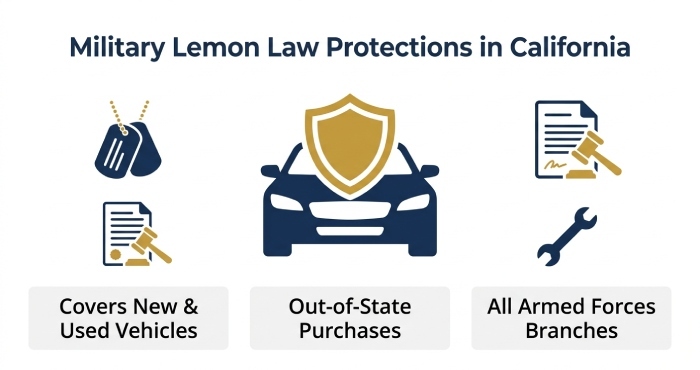
Eligible military members may have California Lemon Law protections even if they purchased their vehicle outside California. Under California Civil Code § 1795.8, qualifying service members may be protected after being stationed in California.
Key Requirements Under CA Civil Code 1795.8
California Civil Code § 1795.8 provides that California’s consumer warranty protections can apply to a motor vehicle purchased in the United States by a member of the Armed Forces, regardless of where the vehicle was purchased or registered, if certain requirements are met. The vehicle must have a manufacturer’s express warranty, and it must have been purchased from a manufacturer that sells motor vehicles in California or from that manufacturer’s agent or representative. The service member must also have been stationed in California or a California resident when the vehicle was purchased or when the Lemon Law action was filed.
This matters because a vehicle manufacturer may try to deny a warranty claim by arguing that the sale occurred in another state. A lemon law attorney can examine the purchase documents, vehicle registration, repair orders, warranty booklet, and deployment or stationing records to determine whether the Song Beverly Consumer Warranty Act and CA Civil Code 1795.8 support a claim.
Why Stationing Status Matters
Being stationed in California is often central to military lemon law eligibility. The phrase does not always mean permanent residency. Military service members may live in California under orders while maintaining legal residence elsewhere. A lemon law attorney will look at orders, base assignment, active duty status, and repair history reports to determine whether the individual was stationed in California when the problems occurred or when the claim arose.
How a California Lemon Law Lawyer Can Help Service Members Build a Claim
A California lemon law lawyer can help military families gather evidence and pursue remedies such as vehicle repurchase, refunds, penalties, and attorney fees under applicable California law.
Choosing Counsel Familiar With Military Claims
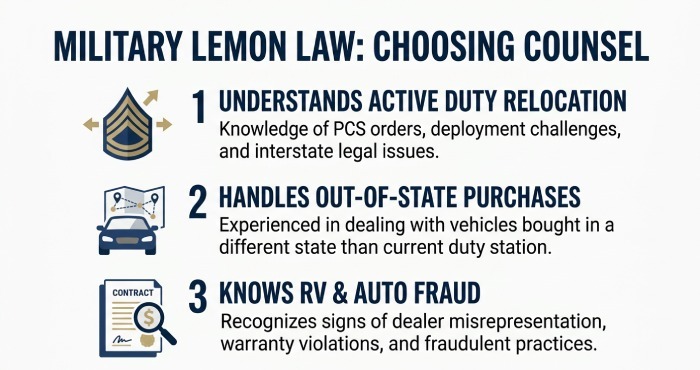
When evaluating counsel, service members often look for a lemon law attorney who has experience with active duty orders, relocation timing, and out-of-state purchase issues. Some firms also represent military clients in related auto fraud cases involving vehicle misrepresentation, predatory lending, or breach of vehicle contract.
For example, consumers may consult a lemon law attorney san diego if they are stationed in California and dealing with repeat vehicle repairs. A california lemon law lawyer can assess whether California lemon law applies even when the car was purchased elsewhere. Families with motorhomes or recreational vehicles may also seek an rv lemon law attorney when warranty defects affect an RV used during relocation.
Information from a law firm is not automatically legal advice, and contacting a lemon law lawyer does not always create an attorney-client relationship. That relationship usually begins only after both sides agree in writing.
Key Steps to Take Before Filing a Military Lemon Law Claim in California
Before filing a military lemon law claim, military service members should take practical steps to protect their rights under California lemon law, the Song Beverly Consumer Warranty Act, and CA Civil Code 1795.8.
Documents and Evidence to Gather
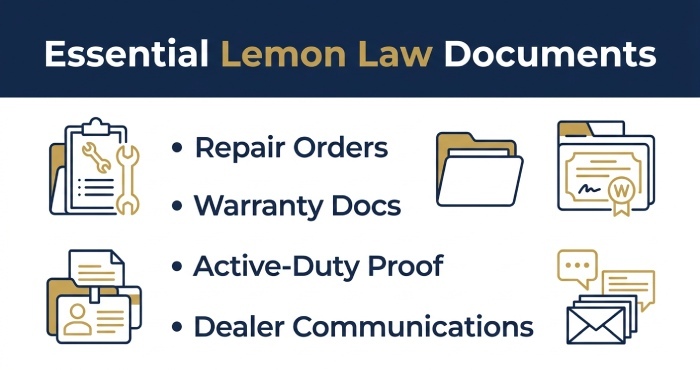
Start by collecting all repair orders, warranty and purchase documents, financing records, and communications with the dealer or manufacturer. Also preserve proof of active-duty status and California stationing, along with notes showing how the defect affects vehicle use, safety, work, transportation, or daily life. Clearly document each defect, repair attempt, date, and requested remedy so a California lemon law lawyer can evaluate the claim and advise on the next steps if the manufacturer refuses a fair resolution.
When to Contact a Lemon Law Attorney
Contact a lemon law attorney when the same problem has been repaired repeatedly, the vehicle has spent significant time in the shop, or the manufacturer denies responsibility. A military lemon law evaluation is especially important if the vehicle was an out-of-state purchase, you are active duty, and you are stationed in California.
California lemon law can be powerful, but deadlines, warranty coverage, repair history, and service member status all matter. A lemon law lawyer can determine whether the facts support a lemon law claim, whether additional auto fraud claims may exist, and whether attorney fees may be recoverable from the manufacturer rather than paid out of pocket by the service member.
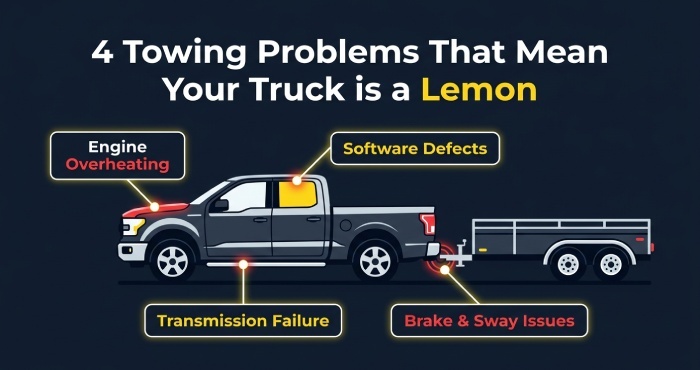
A pickup truck with recurring towing failures may qualify under California Lemon Law when a warranty-covered defect substantially affects its use, value, or safety and remains unresolved after reasonable repair attempts. This can apply to new, leased, or qualifying used trucks with valid warranty coverage.
Towing defects involving the transmission, brakes, engine cooling, trailer stability, electrical systems, or towing package may support a claim. A California lemon law attorney can review the circumstances and determine whether you may qualify for a buyback, refund, replacement, or other compensation.
How California Lemon Law Applies to Pickup Trucks Used for Towing
Covered Trucks, SUVs, and Similar Vehicles
California’s Lemon Law can apply to a truck, SUV, van, or other qualifying vehicle purchased or leased for personal, family, household, or certain business uses. Some business vehicles may qualify if they meet statutory requirements, including limits involving fleet size and gross vehicle weight.
A new vehicle is often the clearest example, but a used vehicle can also qualify when sold with remaining factory warranty. A certified pre-owned pickup may qualify if warranty-backed towing defects appear during the covered period. In some cases, a demonstration vehicle or dealer loaner sold with warranty protection can also receive Lemon Law protections.
New Vehicle and Used Vehicle Coverage
A new vehicle with a factory-installed tow package is expected to perform safely and reliably within its rated capacity. A qualifying used vehicle may also be protected when towing-related vehicle defects arise under the remaining manufacturer warranty. If a used car dealership sells a certified pre-owned pickup with warranty promises, those documents may become important evidence in a lemon law claim.
Warranty Coverage Matters
The defect generally must be reported while covered by the manufacturer warranty or qualifying warranty coverage. If the dealer says a towing issue is “normal,” but the problem continues, truck owners should request written repair orders rather than relying on verbal explanations.
Common Persistent Towing Problems That May Indicate a Lemon
Towing places extra stress on the engine, transmission, brakes, suspension, cooling system, electronics, and advanced driver-assistance systems. Repeated failure in these systems may indicate a lemon truck.
Transmission, Drivetrain, and Powertrain Failures
Common towing-related vehicle defects include hard shifting, transmission overheating, slipping gears, driveline vibration, loss of torque, or sudden limp mode while hauling a trailer. These problems can create serious safety risks, especially on grades, highways, or while merging.
Engine Cooling and Overheating
A pickup that overheats while towing within its rated capacity may have radiator, fan, thermostat, turbocharger, or software defects. If the dealer performs multiple repairs but the truck continues overheating, that history may support a lemon law case.
Brake and Trailer Control Problems
Towing defects may also involve trailer brake controller failure, unstable trailer sway control, electronic stability issues, or malfunctioning safety feature systems. When factory towing technology does not work as designed, the defect may substantially impair safe operation.
Electrical and Software Defects
Modern trucks depend on complex software. A faulty towing mode, recurring dashboard warnings, trailer detection errors, backup camera glitches, or blind-spot monitoring failure may support a lemon law claim if the problem remains unresolved after repeat visits.
Warranty disputes can affect vehicles from BMW and Mercedes to Mini Cooper and RVs. AnRV lemon law attorney can help owners understand their rights when covered defects substantially impair their vehicle.
What Counts as a Reasonable Number of Repair Attempts in California
Repair Attempts and Days Out of Service
Repair Attempts and Days Out of Service: Repeated repairs or extended downtime may strengthen a truck’s lemon law claim.
Multiple Repairs for the Same Defect: Multiple repair attempts for the same towing problem can provide strong evidence of a recurring defect.
Safety-Related Towing Defects: Defects affecting braking, steering, stability, or acceleration may require prompt legal review.
Manufacturer and Dealer Responses
Manufacturers may blame overloading, modifications, or improper towing, so owners should preserve towing ratings, payload records, and trailer weight documentation. A lemon law lawyer can challenge unsupported defenses and help the consumer, as Plaintiff, pursue the claim against the manufacturer or defendant.
Evidence Truck Owners Should Gather to Support a Lemon Law Claim
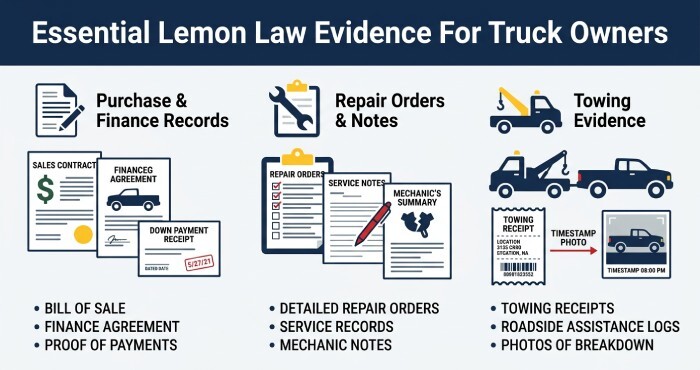
A successful lemon law claim depends heavily on documentation. The more organized the records, the easier it is for a lemon law lawyer to evaluate the legal process and pursue appropriate compensation.
Key Documents to Save
Purchase, Lease, and Finance Records:Keep all purchase, lease, registration, warranty, and financing documents to support refund or buyback calculations.
Repair Orders and Dealer Notes: Keep every repair order showing the complaint, mileage, diagnosis, repairs, and dealer findings.
Towing Evidence: Save weight slips, photos, videos, warning lights, towing specifications, and service messages to document proper vehicle use.
Communications and Warranty Proof
Keep emails, texts, voicemails, service portal screenshots, and customer care case numbers. Also preserve the manufacturer warranty, extended warranty paperwork, certified pre-owned documents, and any warranty coverage statements from the used car dealership.
A CaliforniaLemon Law Guide can help consumers understand basic filing requirements, but every case depends on its specific facts. Consulting a qualified lemon law attorney in San Diego can help determine whether the available evidence supports a settlement, vehicle repurchase, replacement vehicle, or trial strategy.
When to Contact a Lemon Law Lawyer in California for Truck Towing Issues
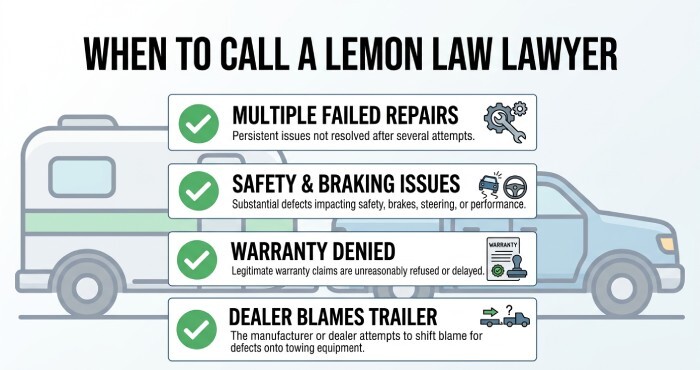
Truck owners should contact aCalifornia lemon law lawyer as soon as towing defects continue after repeated service visits, particularly when the dealer cannot duplicate the problem, denies warranty coverage, or claims the issue is normal. Seeking legal representation early can help protect the truck owner’s rights and avoid mistakes that could weaken a lemon law claim.
Signs It Is Time for a Case Review
You should consider contacting a lemon law attorney if:
The same towing problem has required multiple repairs.
The truck has spent significant time at the dealership or auto shop.
The manufacturer refuses to authorize further warranty repairs.
The towing defect affects safety, braking, stability, acceleration, or cooling.
You bought a new vehicle, certified pre-owned truck, or qualifying used vehicle with active warranty.
The dealer blames trailer weight without evidence.
You need help evaluating compensation, refund, buyback, or repurchase options.
Truck owners should contact a California lemon law lawyer when persistent towing defects continue despite repeated repairs, warranty coverage is denied, safety is affected, or the dealer disputes the cause, so they can evaluate potential compensation, repurchase, or buyback options.