In California, numerous buyers consider Certified Pre-Owned (CPO) cars as an appealing substitute for new vehicles when making a purchase. These cars generally go through rigorous inspections and include extended warranties, providing peace of mind. Nonetheless, even with these protections, there can still be undisclosed issues with some CPO cars. Thankfully, individuals may find legal options under California’s Lemon Law in these cases.
Understanding Certified Pre-Owned (CPO) Vehicles
Certified Pre-Owned (CPO) vehicles refer to pre-owned cars that have undergone thorough inspections, refurbishment, and certification by either a manufacturer or a dealership. Typically, these vehicles adhere to particular criteria regarding age and mileage, and they come with a limited warranty. The advantages of opting for a CPO vehicle often include:
These features make CPO cars attractive to buyers, as they provide the dependability of a new vehicle at a more affordable price. However, it’s important to note that even certified pre-owned cars can experience mechanical problems or issues that may affect their performance and safety.
California’s Lemon Law Overview
California’s Lemon Law, known as the Song-Beverly Consumer Warranty Act, protects buyers or lessees of defective vehicles by requiring manufacturers to replace or repurchase cars that qualify as lemons. To be eligible, the vehicle must have a significant defect affecting its use, value, or safety; the defect must persist after reasonable repair attempts; it must be covered by a warranty; and the issue must arise within the warranty period or within 18 months/18,000 miles of delivery. This law applies not only to new vehicles but also to used and Certified Pre-Owned cars with manufacturer-backed warranties.
How Lemon Law Applies to Certified Pre-Owned Vehicles
In Ramona, California, Lemon Law can apply to certified pre-owned (CPO) vehicles if they come with a manufacturer-backed warranty and have recurring defects that the dealer fails to fix after a reasonable number of repair attempts. A California Lemon Law attorney can help determine if buyers are entitled to a refund or replacement based on whether the vehicle meets the state’s Lemon Law criteria.
1. Importance of Warranty Coverage
A crucial aspect in assessing if a Certified Pre-Owned (CPO) vehicle is eligible for California’s Lemon Law hinges on the existence of a warranty. Typically, CPO vehicles are accompanied by one of the following:
The Lemon Law applies to issues that fall under these warranties. If your CPO vehicle experiences a defect during the warranty timeframe and the dealer or manufacturer cannot remedy it after a reasonable number of attempts, you may qualify for assistance under the Lemon Law.
2. Understanding Dealer vs. Manufacturer Warranty
It is vital to clarify whether the warranty for your CPO vehicle is issued by the manufacturer or the dealership. Warranties backed by the manufacturer generally provide stronger protections under the Lemon Law, as the manufacturer is held directly accountable for repairs and replacements.
On the other hand, if the dealership solely issues the warranty without support from the manufacturer, navigating a Lemon Law claim can be more complex, though still feasible.
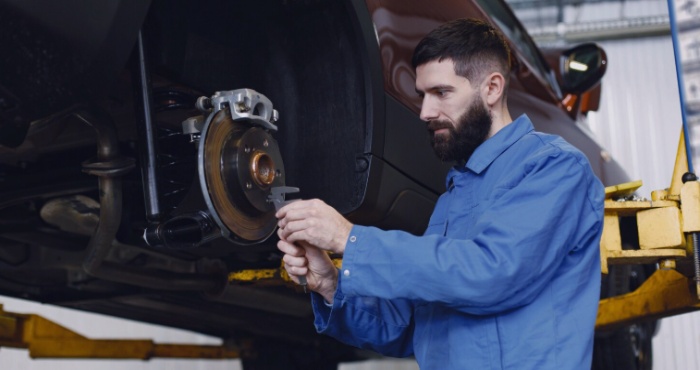
brake failure” width=”700″ height=”370″ />
3. Acceptable Repair Efforts
In California, the law doesn’t outline a specific number of repair attempts required; rather, it describes them as “reasonable.” Typically, this is interpreted as follows:
At least two attempts to resolve a significant safety issue (such as brake failure or engine problems)
A minimum of four attempts for a less critical but ongoing issue
The vehicle has been inoperative for repairs for a total of 30 days or more
If your Certified Pre-Owned (CPO) vehicle fulfills any of these criteria, you could potentially have a legitimate Lemon Law claim.
What Remedies Are Available?
1. Replacement of the Vehicle
The manufacturer might provide you with a new vehicle that is similar to your defective CPO car. This offer would also include reimbursement for taxes, registration costs, and any related expenses (such as towing or rental vehicles) that arose due to the defect.
Another possibility is that the manufacturer may choose to repurchase your car, compensating you for:
Your down payment
Any monthly payments you have made
The remaining balance on your loan (if applicable)
Taxes, registration, and other official charges
Related expenses (like rental fees, towing, and repairs)
Keep in mind that a mileage deduction may be applied based on how much you drove the vehicle before the defect was identified.
3. Monetary Compensation
In some cases, manufacturers may propose a cash settlement as an alternative, which allows you to retain your vehicle while providing you with financial compensation for the trouble and reduction in value you have experienced.
How to Pursue a Lemon Law Claim for a CPO Car
Keep Records: Save all repair orders, receipts, warranty papers, communication, and downtime logs.
Notify Manufacturer: Send written notice directly to the manufacturer about defects and repair attempts.
Consult an Attorney: Contact a California Lemon Law lawyer, especially for Certified Pre-Owned vehicles; legal fees are usually covered if you win.
Misconceptions About CPO Cars and Lemon Law
Myth 1: Certified Pre-Owned (CPO) vehicles can’t be defective.
Truth: Although CPO cars are inspected before sale, some issues may go unnoticed or arise later on. If a defect is found and there’s warranty coverage, these vehicles can still fall under the Lemon Law.
Myth 2: Only brand-new vehicles are safeguarded.
Truth: The Lemon Law Lawyer San Diego also extends protection to used cars, including those that are Certified Pre-Owned and come with a warranty.
Myth 3: Once the original manufacturer’s warranty expires, you have no options left.
Truth: If you have an extended warranty that was provided when you bought the car, it can still invoke Lemon Law protections if a defect appears during that warranty’s term.
Certified Pre-Owned cars offer added confidence through inspections and warranties but may still have serious defects. In California, the Lemon Law can protect you if your CPO vehicle has major, unrepairable issues covered under warranty. Knowing your rights and seeking legal help ensures you receive fair treatment and potential compensation.
Investing in a mobile home in California can be a thrilling opportunity. Whether you seek a long-term living space or a short-term solution, mobile homes offer both versatility and cost-effectiveness. But what do you do if your new mobile home has defects? This is where California’s Lemon Law becomes relevant. Although many are aware of Lemon Law protections for vehicles, few recognize that similar safeguards exist for mobile homes.
What is California Lemon Law?
The Song-Beverly Consumer Warranty Act, commonly referred to as California’s Lemon Law, aims to safeguard consumers from purchasing faulty items, especially automobiles. This legislation mandates that manufacturers must either repair, replace, or refund a defective item if it remains unresolved after several reasonable attempts. Although it primarily pertains to cars, motorcycles, and trucks, certain circumstances may extend its protections to mobile homes as well.
Does California Lemon Law Apply to Mobile Homes?
This is where things become intriguing. In California, mobile homes are classified differently than cars or other vehicles. The Lemon Law typically applies only to the “chassis” and “drive train” elements of a mobile home, as these components enable mobility, making them similar to conventional vehicles.
Nevertheless, if a mobile home qualifies as a “new motor vehicle” and remains under the manufacturer’s warranty, some features may be eligible for Lemon Law protection. However, it’s important to note that this law usually does not extend to defects concerning the home’s structure, interior, or appliances.
Understanding Warranties for Mobile Homes
One of the key elements that influences whether a mobile home qualifies for Lemon Law protections is the warranty provided by the manufacturer. Typically, new mobile homes are sold with several types of warranties, which include:
Chassis/Drive Train Warranty: This warranty addresses the components that allow the home to move.
Structural Warranty: This covers the essential parts of the home such as the frame, roof, walls, and foundation.
Appliance & System Warranty: This includes coverage for systems like air conditioning, plumbing, and electrical components.
When it comes to Lemon Law eligibility, the chassis/drive train warranty is particularly important. If issues with these components continue to occur after numerous attempts to fix them, you may have grounds for a legitimate Lemon Law case.
Common Defects in Mobile Homes Covered by Lemon Law
Although every situation is distinct, there are common problems associated with mobile homes that may be eligible for protection under California’s Lemon Law. These issues include:
Brake failures
Steering problems
Axle and suspension defects
Electrical malfunctions related to driving systems
Any flaws that compromise the mobility or safety of a mobile home, especially those included in the chassis or drive train warranty, are strong contenders for Lemon Law claims.
Steps to Take if You Suspect Your Mobile Home is a Lemon
Any written correspondence with the dealer or manufacturer
The dates and lengths of each repair effort
Having organized records will bolster your case.
2. Allow Sufficient Opportunities for Repairs
According to California Lemon Law, manufacturers must be given a fair chance to address the defect. Generally, this means:
A minimum of four attempts to fix the same problem, OR
The mobile home must be out of operation for a total of 30 days or more due to repairs.
3. Notify the Manufacturer
Prior to initiating a Lemon Law claim, send a written communication to the manufacturer detailing the issue and asking for a conclusive repair effort or solution.
Why Expert Legal Assistance is Essential
If you are in Warner Springs, California, and looking to understand your Lemon Law rights, exploring local legal resources can help you navigate the process and find the best path to resolution.
1. Legal Knowledge
A lawyer with a deep understanding of California’s Lemon Law is adept at identifying loopholes and representing your interests. They will review the warranties, assess the extent of coverage, and develop a strategic plan to achieve the best outcome.
2. Negotiation Power
When a proficient attorney is involved, manufacturers are often more inclined to reach an agreement. Whether seeking a buyback, a replacement vehicle, or a monetary settlement, a lawyer is skilled in effective advocacy.
3. No Upfront Costs
The majority of California Lemon Law attorneys operate on a contingency fee basis, meaning you won’t incur any costs unless you win your case. Furthermore, California’s Lemon Law mandates that if your claim is successful, the manufacturer must pay for your legal expenses.
Filing a Lemon Law Claim for Your Mobile Home: A Step-by-Step Guide
Examine Your Warranties: Ascertain which parts of your mobile home are included in the warranty and the duration of that coverage.
Pinpoint the Issues: Create a comprehensive inventory of the problems you are facing, particularly those affecting the drive train or chassis.
Reach Out to the Manufacturer: Send a formal notification, providing them with one final opportunity to rectify the issues.
Speak with a Lemon Law Lawyer: Obtain advice to evaluate your qualifications and potential courses of action.
Submit the Claim: Your lawyer will take care of filing the claim for you and manage discussions with the manufacturer.
Possible Outcomes of a Lemon Law Case
If your mobile home meets the criteria of California Lemon Law lawyer, you may be eligible for one of these options:
Complete Refund: This encompasses your down payment, loan installments, taxes, and registration costs.
New Mobile Home: A replacement that is free from defects.
Financial Compensation: For any loss in value or expenses incurred.
Manufacturer Covers Legal Fees.
Essential Points to Remember
The California Lemon Law is relevant for the chassis and drive train parts of mobile homes.
Warranties are essential in assessing the eligibility of your mobile home under the law.
Having the right paperwork and making genuine repair efforts are key for a successful claim.
Engaging a Lemon Law lawyer can significantly increase your likelihood of obtaining compensation.
Understanding California’s Lemon Law regarding mobile homes can be complex, but with the guidance of a Lemon Law Lawyer in San Diego, you can navigate its provisions and follow the appropriate procedures to safeguard your interests. Since your mobile home represents a considerable financial commitment, it’s crucial not to allow any faults to disrupt your tranquility. Protect your entitlements, keep thorough documentation, and consider reaching out to a legal professional for assistance in navigating this journey.
Leasing a car in California comes with benefits like lower payments and driving newer models, but leased vehicles can still have defects. Is your car a lemon? A California Lemon Law lawyer can help you secure fair compensation or a replacement under the state’s protective laws.
Understanding California’s Lemon Law
The California Lemon Law, officially known as the Song-Beverly Consumer Warranty Act, protects buyers and lessees of defective vehicles. This law requires manufacturers to replace or refund a vehicle that has persistent issues significantly affecting its safety, value, or usability. It applies to both new and used vehicles, including leased ones for personal, family, or household use.
To qualify under the Lemon Law, your leased vehicle must have a substantial defect impacting performance, safety, or value. The issue must occur within the manufacturer’s original warranty period, and multiple repair attempts should have failed to fix it. Additionally, the vehicle must have been in the shop for an extended period, typically 30 days or more. If these conditions are met, you may be eligible for a refund, replacement, or other compensation.
How the Lemon Law Applies to Leased Vehicles
1. Coverage for Leased Automobiles
Leased automobiles are included under the Lemon Law, provided they fall within the manufacturer’s warranty period. Therefore, if a defect occurs during your lease and the manufacturer fails to resolve it, you are entitled to the same legal rights as traditional car owners.
2. Options for Refund or Exchange
Should your leased automobile be deemed a lemon, the manufacturer is obligated to offer one of the following:
A refund that encompasses your initial payment, monthly lease installments, registration costs, and additional expenses, adjusted for a deduction based on the mileage driven without issues.
A replacement vehicle, wherein the manufacturer supplies another leased automobile of comparable quality that is free from defects.
3. Obligations of the Manufacturer
According to the law, if you prevail in your Lemon Law case, the manufacturer is responsible for covering any legal fees incurred. This allows you to pursue legal assistance without the concern of incurring personal attorney costs.
Common Defects in Leased Vehicles Covered by Lemon Law
A leased vehicle can be deemed a lemon due to various defects. Typical problems that may fall under this category are:
Issues with the engine and transmission that result in stalling, loud noises, or lack of acceleration.
Brake failures that raise safety alarms.
Electrical system breakdowns affecting features like power windows, lighting, or entertainment systems.
Problems with steering and suspension that compromise control over the vehicle.
Frequent check engine light alerts that point to ongoing issues.
If your leased car displays any of these problems and the manufacturer does not successfully resolve them after a reasonable number of attempts, you might have a legitimate claim under Lemon Law.
Steps to Take if Your Leased Vehicle is a Lemon
Maintain Comprehensive Records: It’s essential to keep thorough documentation of all maintenance activities, including invoices and service records. Each time a repair is conducted, make sure to note the specifics of the issue and any solutions attempted.
Contact the Manufacturer: Draft a formal letter to the manufacturer or dealership outlining the persistent issues you are experiencing. They might be willing to provide further repair efforts before you consider filing a Lemon Law claim.
Seek Legal Advice from a Lemon Law Attorney: Lemon Law claims can be complex, and manufacturers often try to avoid liability. A skilled California Lemon Law attorney can improve your chances of success, offering free consultations and working on a contingency fee basis.
Finding Legal Help for Your Lemon Law Claim
Should you suspect that your leased car is a lemon, it’s important to reach out for legal support. A knowledgeable San Diego Lemon Law lawyer can assist you in the following ways:
Determine if your vehicle meets the criteria of a lemon.
Compile the required paperwork for your claim.
Engage in negotiations with the manufacturer to secure a just outcome.
Provide representation in court if needed.
Many Lemon Law lawyers in San Diego work on a contingency basis, meaning you won’t have to pay any fees unless they win your case. With strong legal representation, you can ensure that the manufacturer fulfills its obligations under California Lemon Law.
Leasing a vehicle should provide convenience and reliability, but when defects arise, California’s Lemon Law ensures that consumers are protected. If your leased vehicle has persistent issues that impact its safety, value, or functionality, you may be eligible for a refund or replacement. By understanding your rights and seeking professional legal help, you can navigate the Lemon Law process effectively and secure the compensation you deserve.
To uphold public safety and effectively address emergencies, law enforcement agencies depend on dependable, high-quality vehicles. It is crucial for police cars to be in optimal condition so that officers can carry out their responsibilities effectively. Nevertheless, akin to any other vehicle, police cars can occasionally experience issues that compromise their performance, safety, and longevity. In such cases, the California Lemon Law may provide legal recourse to guarantee that police departments obtain suitable solutions for faulty vehicles.
Understanding the Basics of California Lemon Law
The California Song-Beverly Consumer Warranty Act, widely referred to as the Lemon Law, offers legal safeguards to both consumers and businesses regarding faulty vehicles. This legislation covers personal and commercial vehicles that experience ongoing repair problems while still under the manufacturer’s warranty. Although the Lemon Law is primarily linked to individual consumer cars, it also extends to specific commercial and fleet vehicles, such as police cars, which may be eligible for its protections.
Do Police Vehicles Qualify Under the California Lemon Law?
A crucial factor in determining eligibility for California Lemon Law protection is whether the vehicle is still under the manufacturer’s warranty and has significant defects that affect its usability, value, or safety. While the law mainly safeguards individual consumers, vehicles used for public safety, including police cars, can also be eligible if they satisfy certain criteria:
Warranty Protection: The police vehicle should be covered by the manufacturer’s explicit warranty.
Significant Flaws: The vehicle possesses issues that hinder its performance or pose safety hazards.
Adequate Repair Efforts: The manufacturer has been given several chances to address the defects but has not successfully resolved them after a reasonable number of attempts.
Duration of Unavailability: Should the vehicle be unavailable for an extended period because of necessary repairs, it could be eligible for protection under the Lemon Law.
Law enforcement vehicles are subjected to harsh environments, including fast chases, extended periods of being stationary, and abrupt stops, which increases their likelihood of experiencing mechanical and technical problems. Typical issues that can arise in these vehicles consist of:
Engine Malfunctions: Difficulties with speed increase, stalling, or overheating that hinder chase effectiveness.
Transmission Problems: Failures in gear changes, sluggish acceleration, or slipping gears that negatively impact overall performance.
Brake System Issues: Malfunctioning brakes that jeopardize safety when responding at high speeds.
Electrical System Problems: Malfunctions affecting emergency lights, sirens, radios, and onboard computing systems.
Suspension and Steering Problems: Instabilities in handling, excessive shaking, or alignment issues that can create hazardous driving situations.
Fuel System Leaks: Fuel leaks posing fire risks and threatening the safety of officers and the public.
Should these or comparable problems continue to occur after several repair efforts, the vehicle could be classified as a lemon according to California regulations.
The Lemon Law Process for Police Departments
When a police department identifies a defective vehicle, they must follow specific steps to seek a legal remedy under the California Lemon Law with the help of a San Diego Lemon Law lawyer.
Keep Detailed Records:
It’s essential to document every repair effort, complaint, and communication with the dealership or manufacturer. Retain copies of invoices, work orders, and any written exchanges. This documentation is vital evidence should you decide to pursue a Lemon Law claim.
Notify the Manufacturer:
Send a written notice to the manufacturer regarding the persistent issues with your vehicle. Give them a fair chance to address the problems, as mandated by law. Adequate notification will bolster your position if you need to take legal steps later on.
Permitting Adequate Repair Attempts:
Legislation stipulates that a vehicle must undergo a sufficient number of repair attempts before it can be deemed a lemon. Generally, this entails:
A minimum of two repair attempts for critical safety issues.
A minimum of four repair attempts for issues that do not pertain to safety.
Being out of service for a total of 30 days or more due to repairs.
Pursue Legal Recourse:
If the vehicle is classified as a lemon, the police department may be eligible for either a replacement vehicle or a reimbursement of the purchase price, which includes related expenses like taxes, registration fees, and legal costs.
Hire a Lemon Law Lawyer:
Consulting with a California Lemon Law lawyer enables police departments to navigate the process efficiently and secure the best possible outcomes.
Manufacturer Responsibilities and Obligations
Car makers are required by law to rectify warranty issues and guarantee that their vehicles comply with performance and safety regulations. If a manufacturer neglects these duties, law enforcement agencies can take action against them in accordance with the California Lemon Law. The manufacturer is obligated to either:
Offer a new vehicle that is free of defects
Issue a complete refund that covers all relevant fees and expenses
Not adhering to the stipulations of the Lemon Law could lead to legal consequences for the manufacturer.
Why Lemon Law Protection is Crucial for Law Enforcement
Lemon Law safeguards are crucial for law enforcement agencies that depend on reliable vehicles to maintain public safety. A malfunctioning police vehicle can put officers at risk, slow down emergency responses, and interfere with vital operations. Mechanical issues in critical moments can result in perilous outcomes for both law enforcement personnel and the public.
In California, the Lemon Law aids police departments in avoiding the financial strain of unreliable vehicles. It guarantees that these agencies receive appropriate compensation or replacements when defects occur, enabling them to keep their fleet fully operational. By holding manufacturers accountable for their products, this legislation allows law enforcement to concentrate on their responsibilities without worrying about defective equipment.
The California Lemon Law extends beyond individual consumers; it also provides protection for law enforcement agencies regarding faulty police vehicles. Since these vehicles play a vital role in ensuring public safety, they are required to adhere to rigorous performance and safety criteria.
By being informed about their legal rights, police departments can ensure that manufacturers are held responsible, obtain dependable vehicles, and maintain their service to the community. If a department believes it has received a defective vehicle, seeking guidance from a knowledgeableCalifornia Lemon Law attorney can assist in navigating the legal framework and reaching a positive outcome.
The Song-Beverly Consumer Warranty Act, commonly referred to as the California Lemon Law, aims to safeguard consumers who buy faulty vehicles. Nonetheless, the situation can get complicated when ownership of a vehicle changes hands. It is essential for both purchasers and sellers to grasp how these transfers affect lemon law claims. This article delves into the implications of vehicle ownership transfers on lemon law cases, clarifies consumer rights, and offers advice on obtaining professional legal help.
How Vehicle Transfers Affect Lemon Law Claims
When ownership of a vehicle changes hands, various elements can greatly affect the validity of a lemon law claim. Key considerations include the timing of the ownership change, the condition of the vehicle (new or used), and whether any defects were reported prior to the transfer.
1. First-Time Owners vs. Subsequent Owners
The Lemon Lawyer San Diego primarily protects the rights of the original purchaser of a new vehicle. Nevertheless, later owners can also have certain rights under particular circumstances:
Claims by Original Owners: Should the original buyer file a lemon law claim and then sell the vehicle before the case is resolved, the new owner may find it difficult to pursue the claim unless the manufacturer had previously consented to a buyback.
Rights for Later Owners: If a vehicle is sold again and the new owner finds a defect, they may still be able to take legal action if the warranty remains valid.
2. Warranty Status and Coverage
The eligibility for lemon law claims is determined by the warranty status of the vehicle when the claim is submitted. Important factors to keep in mind are:
Should a defect occur during the original manufacturer’s warranty, the new owner may still have the right to submit a claim.
In cases where the vehicle’s warranty has expired at the time of sale, lemon law protections may not be applicable; however, alternative consumer protection laws could still be in effect.
3. Disclosures by the Seller
In California, it is mandatory for sellers to inform buyers about any known issues with a vehicle prior to its sale. Not adhering to this requirement may result in legal repercussions, such as accusations of fraud. To ensure transparency, buyers are encouraged to review vehicle history reports and ask for maintenance documentation to confirm any previous problems.
Types of Vehicle Transfers and Their Legal Implications
1. Private Party Sales
When a private seller transfers ownership of a vehicle to another private party, the protections offered by lemon laws may be lessened. Typically, the buyer accepts the vehicle as is, unless there are issues of fraud or misrepresentation at play.
2. Dealership Resales
Car dealerships must adhere to more rigorous disclosure regulations. When a dealership sells a vehicle that has been repurchased due to being a lemon, it is required to explicitly indicate that the vehicle was returned under the California Lemon Law Lawyer. Not providing this information could result in legal consequences.
3. Lease Transfers
Vehicles that are leased can also be subject to lemon law claims. If a lessee hands over a faulty vehicle to someone else, the new lessee might face challenges in filing a claim unless the defect was documented during the warranty period.
4. Manufacturer Buybacks
Manufacturers can resell vehicles they buy back under lemon law claims, but these must be clearly marked as “Lemon Law Buyback.” While such vehicles typically include a warranty for the identified defect, it’s important for buyers to be vigilant.
Consumer Rights When Buying a Transferred Vehicle
Under California law, purchasers of pre-owned vehicles, including those repurchased under lemon laws, possess certain rights.
Right to Full Disclosure: Sellers must inform buyers if a vehicle was previously repurchased under the lemon law. Failure to disclose this information can be considered fraud.
Right to a Warranty: Certified pre-owned vehicles often include limited warranties, providing buyers with some protection against defects. Buyers should review warranty terms before purchasing.
Right to Legal Action: If a seller hides a vehicle’s history of defects, the buyer can take legal action for fraud or misrepresentation. California law allows buyers to seek compensation for undisclosed issues.
Steps to Take if You Purchased a Defective Transferred Vehicle
If you’ve acquired a used vehicle that has serious issues, take these actions to safeguard your rights:
Examine the Warranty: Verify whether the vehicle is still under its original or extended warranty. This information can indicate if any repairs will be at no charge.
Investigate Prior Claims: Acquire a vehicle history report from services like Carfax or AutoCheck to check for any past lemon law claims or significant repairs. Understanding the vehicle’s background can bolster your position.
Keep Records of Repairs: Maintain thorough documentation of all repair visits, service receipts, and any correspondence with the seller or manufacturer. Having proper records is essential for pursuing legal action.
Seek Advice from a Lemon Law Attorney: Consulting with a lawyer can help determine if you are eligible for a refund, replacement, or compensation. Professional legal advice ensures you take appropriate measures to safeguard your rights.
Why You Need a Lemon Law Attorney
Navigating California’s Lemon Law, especially after a vehicle transfer, can be complex. An experienced attorney can help by:
Determining Qualification: A lemon law lawyer can assess if your vehicle, which has been transferred, meets the criteria of California’s Lemon Law. They examine repair records, warranty agreements, and any violations of disclosure to establish whether you have a legitimate case.
Negotiating with Car Manufacturers: These attorneys take charge of discussions with car manufacturers to obtain a reasonable buyback, vehicle replacement, or cash settlement on your behalf. Their expertise protects you from being coerced into accepting an inadequate offer.
Initiating Legal Action: Should negotiations not yield results, an attorney can initiate a lawsuit to seek compensation for your faulty vehicle. They advocate for your interests in court, enhancing your likelihood of achieving a favorable resolution.
In California, the transfer of vehicles can play a crucial role in lemon law cases. It’s important for original owners, later buyers, or anyone thinking about purchasing a transferred vehicle to be aware of their legal entitlements. If you think your car may be classified as a lemon, obtaining expert legal advice can assist you in obtaining the compensation or solution you need. Don’t face this situation by yourself—reach out to a lemon law attorney in California to discuss your possibilities.
Proposed Amendments Spark Backlash from Consumers and Lawmakers
For decades, the California Lemon Law Lawyer has been regarded as one of the strongest consumer protection measures in the country, allowing car buyers to demand repairs or replacements for defective vehicles still under warranty. However, recent efforts to modify the law have ignited fierce debate, drawing criticism from consumer advocacy groups, legislators, and even the auto industry itself.
Surge in Lawsuits Triggers Legislative Action
In recent years, lawsuits related to lemon law claims have skyrocketed in California. The number of cases surged to nearly 15,000 in 2022 and jumped to over 22,000 in 2023. In Los Angeles County alone, these disputes now account for almost 10% of all civil litigation.
In response to this rising caseload, state lawmakers sought to expedite the resolution process for lemon law disputes. Assemblymember Ash Kalra and Senator Tom Umberg introduced legislation aimed at streamlining these cases, promising faster outcomes for both car buyers and automakers.
However, the bill quickly became a source of contention. Major automakers such as Tesla, Volkswagen, and Toyota, which face fewer lawsuits under the lemon law compared to some competitors, objected to the proposal. They argued they were left out of discussions and that the legislation disproportionately benefited certain car manufacturers.
Meanwhile, consumer advocates strongly opposed the measure, arguing that it was designed to dilute the protections the lemon law provides, making it easier for automakers to avoid accountability for defective vehicles.
Rushed Legislation Raises Concerns
The bill, which spanned approximately 4,200 words, moved through the legislative process at a rapid pace. Many lawmakers expressed discomfort with how little time they had to analyze the complex provisions before casting their votes.
Despite these concerns, the bill passed with relative ease, and Governor Gavin Newsom signed it into law in September. However, Newsom acknowledged the bill’s shortcomings and urged legislators to revisit the issue and make further adjustments.
California Supreme Court Weakens Protections for Used Vehicles
Shortly after the bill was signed, the California Supreme Court issued a ruling that further eroded the strength of the state’s lemon law. The court determined that manufacturers are not required to honor warranties for used vehicles that have been resold, even if they are still within the original warranty period.
Previously, courts had interpreted the law in favor of consumers, ensuring that buyers of pre-owned cars could still demand repairs or replacements if defects arose while the factory warranty was in effect. The Supreme Court’s decision significantly limits those rights, leaving many consumers with fewer options when faced with a faulty vehicle.
Lawmakers Debate New Fixes Amid Ongoing Frustration
At a recent Senate Judiciary Committee hearing, lawmakers took up Senate Bill 26, a new proposal meant to address some of the issues raised by the previous legislation. However, this latest effort still does not tackle the Supreme Court’s decision on used vehicles, prompting further frustration among legislators and consumer advocates alike.
State Senator Aisha Wahab voiced concerns that the changes would disproportionately impact first-time car buyers, immigrant communities, and individuals who may not fully understand the legal intricacies of vehicle warranties. She worried that the modifications would make it even more difficult for these consumers to navigate the process.
Despite significant reservations, the bill advanced through the committee with only one dissenting vote, cast by Senator Angelique Ashby. She had also opposed last year’s legislation and reiterated her belief that the proposed changes do not go far enough to remove unsafe vehicles from California roads or hold manufacturers accountable for defects.
Despite strong concerns, the bill moved forward in the committee with just one dissenting vote from Senator Angelique Ashby. Having opposed last year’s legislation as well, she reaffirmed her stance that the proposed changes fall short in effectively removing unsafe vehicles from California roads or holding manufacturers fully accountable for defects. San Diego Lemon Law Lawyer advocates for stronger consumer protections to ensure safer roads and greater accountability.
Calls for a Fresh Approach to Lemon Law Reform
Senator Roger Niello expressed his frustration with the legislative process, arguing that last-minute amendments and rushed decisions were leading to flawed policies. Instead of making piecemeal adjustments, he suggested that lawmakers should scrap the previous bill altogether and work on a comprehensive, well-considered update to the lemon law.
For now, however, legislators appear poised to move forward with the latest set of changes, even as debates over consumer protections, automaker accountability, and the fairness of the legal process continue to rage on.




 brake failure” width=”700″ height=”370″ />


 buyback-calculator-6535.jpg” alt=”Law protection” width=”700″ height=”370″ />









 buyback-title-5892.jpg” alt=”Malfunctioning brakes” width=”700″ height=”370″ />