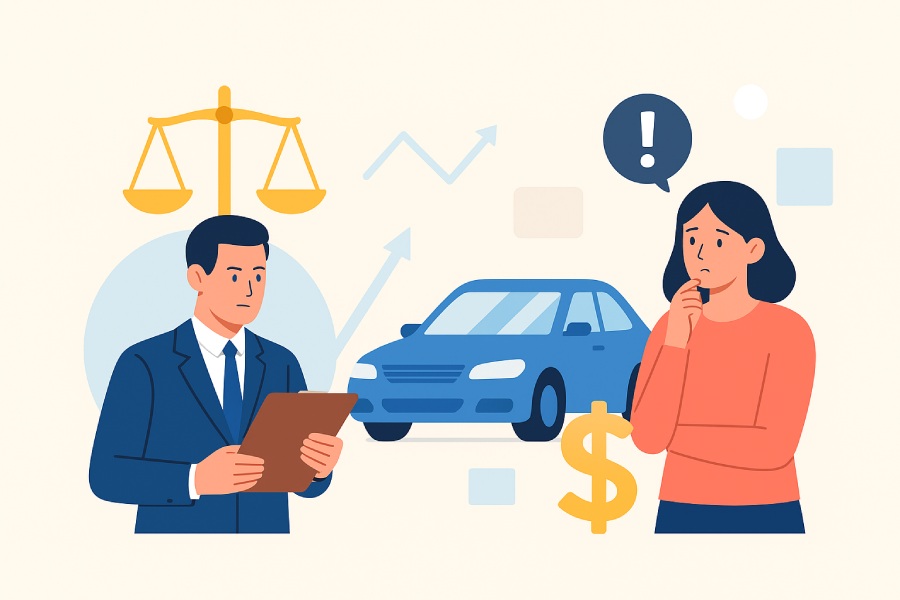
Purchasing a vehicle should evoke a sense of independence and security, rather than feelings of annoyance and financial burden. However, for many buyers, the ideal car can turn into a troubling experience, especially when faced with ongoing repairs or overwhelming loan debts. The real issue lies in identifying if your car is a “lemon” legally or if it’s simply a financial burden due to poor loan terms. Grasping this distinction and being aware of your rights can help you avoid significant expenses and countless restless nights.
00:00
Understanding the Lemon Law: When Defects Go Too Far
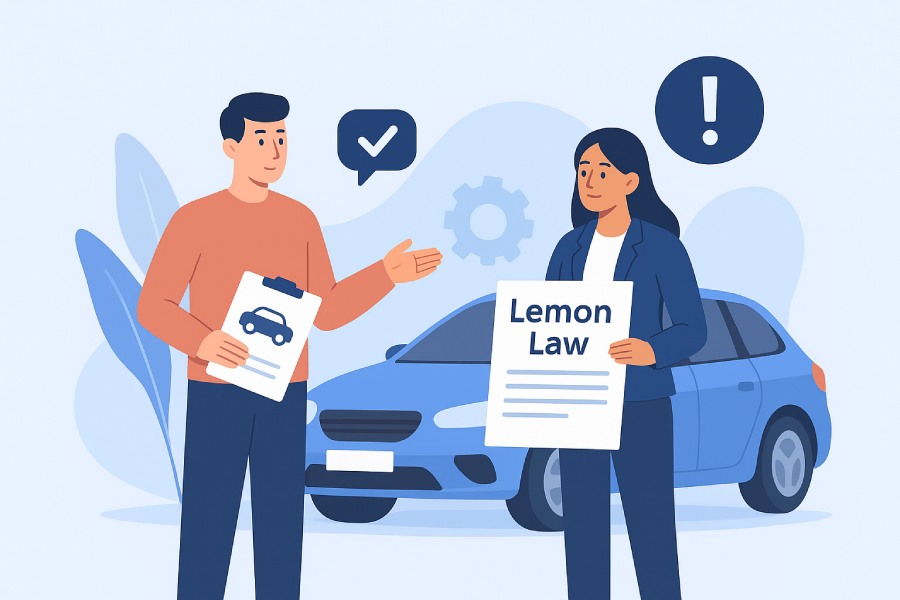
California’s Lemon Law, along with similar regulations in other states, safeguards consumers against purchasing defective vehicles that cannot be adequately repaired after reasonable efforts. These laws ensure that manufacturers take responsibility for vehicles that do not meet established quality and performance benchmarks.
It has a significant defect affecting its usability, safety, or value.
The defect emerges during the warranty period provided by the manufacturer.
The manufacturer or dealer fails to rectify the issue after a reasonable number of repair attempts.
When these criteria are fulfilled, the manufacturer is generally obligated to either buy back the vehicle or provide a replacement, including coverage for loan payments, taxes, and registration costs.
Importance of Keeping Records
Always maintain thorough documentation of repair receipts, dates, and any communications. This information is crucial when filing a claim and can significantly bolster your argument.
What to Do If the Manufacturer is Unresponsive
If your repair efforts are left unresolved, don’t rely solely on assurances from the dealership. Seeking advice from a Lemon Law attorney can help assert your rights and navigate the process for obtaining appropriate compensation.
The Loan Trap: When Financing Becomes a Burden
Not all troublesome vehicles are inherently bad; often, the real issue stems from how the financing is arranged rather than the car itself. Unfair lending tactics, excessive interest rates, and prolonged loan durations can transform even dependable vehicles into financial burdens.
Signs You May Be Trapped in a Loan
Car buyers frequently discover too late that their auto loans are not well set up. Be on the lookout for these warning signs:
High-interest rates despite having good credit.
Negative equity, where you owe more than what the car is worth.
Additional fees and extras that increase the overall loan amount.
Extended loan terms (ranging from 72 to 84 months) that delay repayment.
Balloon Payments and Hidden Terms
Certain loans come with balloon payments — large sums due at the end of the agreement. Though these might offer lower monthly payments upfront, they can lead to significant financial challenges later on.
The “Upside Down” Situation
Being upside down on a loan means you owe more than your vehicle’s actual value. If the car has defects, you could find yourself facing both repair expenses and debt without any equity to help you out of the predicament.
Lemon Law vs. Loan Law: Key Differences and Overlaps
The Intersection of Mechanical and Financial Issues
A buyer may find themselves grappling with both mechanical failures and financial difficulties. For instance, you might own a lemon car and also be burdened with an upside-down loan. Although the manufacturer may be required to buy back the vehicle, lenders still expect you to meet specific financial commitments.
Navigating Concurrent Legal Issues
In such situations, it’s wise to consult a California Lemon Law lawyer along with a consumer debt attorney. These professionals can assist in ensuring that the buyback process is conducted fairly, preventing you from being stuck with unresolved loan payments.
Exploring Refinancing and Financial Relief
If your vehicle is not defective but the loan conditions are too harsh, refinancing could provide a solution. Some credit unions and lenders offer programs that reduce interest rates or shorten repayment lengths for borrowers in financial distress.
Protecting Yourself: Smart Steps for Car Buyers
Steering clear of lemons and loan pitfalls begins well before you finalize any contracts. Taking a proactive stance in your research, negotiations, and paperwork can help you avoid financial mistakes.
Research Thoroughly Before Overbuying
Investigate Vehicle Background and Feedback
Utilize platforms like Carfax or AutoCheck to reveal any hidden accidents or repairs. Look into reviews of the model to learn about common issues reported by other users.
Explore Various Financing Options
Don’t settle for the initial financing offer from the dealership. Look around at banks, credit unions, or online lenders to find more favorable terms and clear agreements.
Post-Purchase: Remain Cautious
Watch for Early Performance Issues
Problems often arise within the first few months. Act quickly on repairs instead of assuming they’ll resolve on their own — document everything from the outset.
Keep an Eye on Your Loan Status
Regularly check your loan balance, interest rate, and the current market value of the vehicle. If you find yourself in negative equity, think about making additional payments or refinancing sooner rather than later.
From Traps to Triumphs
Whether your problem stems from a defective vehicle or a confusing contract, knowledge remains your greatest asset. A lemon doesn’t have to drain your wallet, and a bad loan doesn’t have to dictate your financial future. With the guidance of an experienced Lemon Lawyer in San Diego, along with careful record-keeping and a clear understanding of your rights, you can take back control—transforming your car troubles into a journey of empowerment, recovery, and justice.
Owning a boat symbolizes freedom, adventure, and escape from daily routine. But hidden defects or recurring mechanical problems can quickly turn this dream into an expensive headache. Lemon Laws help protect boat owners from such issues, offering recourse against faulty workmanship or manufacturer oversight. Though often linked to cars, similar protections exist for boats and other watercraft.
00:00
Understanding Lemon Law in the Context of Boats
The Lemon Law protects consumers by ensuring they receive products that are safe, functional, and reliable. While often linked to vehicles, states like California, Florida, and Texas extend similar protections to boats, jet skis, and other personal watercraft.
A “lemon” is a vessel with major defects—such as engine failure, electrical issues, hull flaws, or steering problems—that the manufacturer or dealer cannot fix after a reasonable number of attempts. Despite state-specific differences, the core idea is the same: manufacturers must honor warranties, and consumers shouldn’t bear the cost of a defective watercraft.
Common Defects Covered by Boat Lemon Laws
1. Engine and Mechanical Problems
Ongoing Performance Difficulties
The engine is crucial for a boat’s performance and safety. Persistent problems such as stalling, overheating, or loss of power can severely affect its operation. These issues can make the vessel unsafe or even unusable on the water.
Accountability of the Manufacturer
If mechanical problems continue despite multiple repair attempts, the Lemon Law may apply. This law can hold the manufacturer accountable for unresolved defects. In such cases, boat owners may be entitled to a replacement or a full refund.
2. Electrical and Control System Failures
Concerns for Navigation and Safety
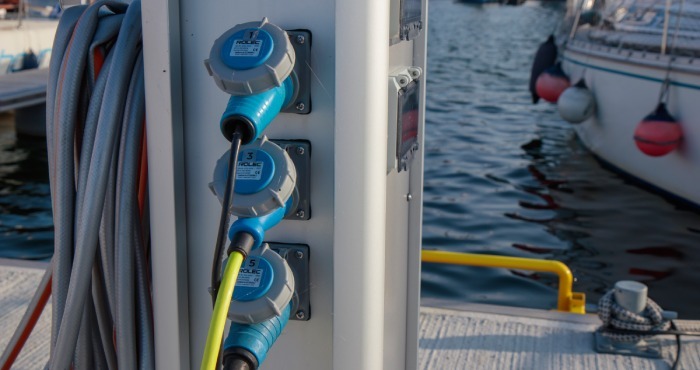
Electrical malfunctions can impact essential boat systems like lights, navigation, bilge pumps, and gauges. These issues can compromise both safety and functionality. Without proper operation, the vessel becomes less reliable and potentially hazardous.
Installation Errors
Many of these defects stem from flawed design or incorrect installation. Such issues can significantly affect the boat’s performance and safety. Because of this, they may qualify for Lemon Law claims.
3. Hull and Structural Deficiencies
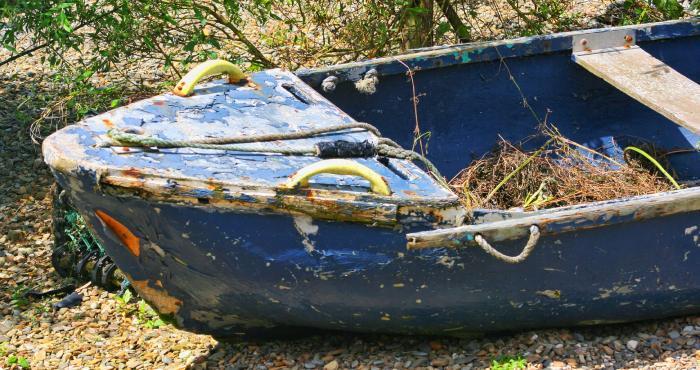
Cracks, leaks, or low-quality fiberglass can greatly reduce a boat’s performance and lifespan. These defects often require expensive repairs to restore functionality. Responsibility for fixing such issues typically falls on the manufacturer.
Unstable movements or steering malfunctions create significant dangers for boaters. Repeated occurrences of these problems can compromise safety. Such persistent issues often strengthen a Lemon Law claim.
5. Failures in Safety Equipment and Compliance
Incorrectly installed safety equipment, such as navigation lights or fire suppression systems, can pose serious risks. These defects can compromise the boat’s safe operation. When safety is affected, such issues may be considered significant under Lemon Law.
Do Lemon Laws Apply to All Boats?
Not all vessels are automatically covered under Lemon Law. Coverage often depends on the type of boat, its size, and how it’s used.
New Boats: Most state Lemon Laws apply primarily to new boats purchased with a manufacturer’s warranty.
Used Boats: If a used boat is sold with an active warranty or certified pre-owned status, it may still qualify for protection.
Commercial or Personal Use: Many states limit Lemon Law coverage to personal or recreational boats, though warranty laws and other consumer statutes may assist business owners with commercial vessels.
Navigating the Lemon Law Process
1. Document Every Issue
Keep a Paper Trail
Keep a detailed record of all issues, including every repair attempt. Also, document all communications with the dealer or manufacturer.
Include Repair History
Save copies of all invoices, work orders, and inspection reports. These documents will help support and strengthen your claim
2. Allow Reasonable Repair Attempts
Manufacturer’s Opportunity
In most states, manufacturers must be given a reasonable number of opportunities—typically three to four—to repair the defect. This ensures they have a fair chance to correct the issue before further action can be taken.
Time Out of Service
If your boat is in the shop for more than 30 total days during the warranty period, it could be considered a lemon. Extended repair time like this may make you eligible for Lemon Law protection.
3. Review Warranty Terms
Carefully review all your purchase documents to know the details of your warranty coverage. Pay attention to any limitations and understand the steps for filing a claim.
4. Consult a Lemon Law Attorney
Since Lemon Law regulations vary by state, a knowledgeable attorney can evaluate your eligibility, collect necessary evidence, and pursue the most effective legal solution.
5. Seek Refund or Replacement
If your boat is deemed a lemon, you could be entitled to a refund, a replacement vessel, or monetary compensation. An experienced attorney helps secure a fair settlement.
Why Legal Guidance Matters
Pursuing a Lemon Law claim on your own can be like navigating in a dense fog without any guidance. Manufacturers typically have vast legal resources and may be reluctant to provide refunds or replacements for faulty products.
Hiring a Lemon Law attorney serves as your guiding light, assisting you in:
Understanding complicated warranty and state-specific Lemon Law regulations
Communicating effectively with manufacturers or dealerships
Assembling a robust case through thorough documentation and expert evaluations
Negotiating for the best compensation, which may include refunds, replacements, or reimbursement for towing and storage costs
Most attorneys in Point Loma, California, work on a contingency fee basis, meaning you only pay legal fees if your claim is successful, helping minimize financial strain for consumers seeking justice.
Key Statistics on Boat Defects and Lemon Law Claims
Fact
Info
70%
Boat defects from engine issues
1 in 5
New boats have major defects
35%
Cases settled pre-court
45 days
Avg. repair time before claim
$12K+
Avg. owner loss before action
Finding Your Way to Fair Waters
When a dream boat turns into a costly burden, a Lemon Law lawyer in San Diego can guide you toward fairness, helping you hold manufacturers accountable for defects. By knowing your rights, keeping thorough records, and working with an experienced attorney, you can navigate legal challenges confidently and ensure your vessel meets the quality and reliability you were promised.
Hiring a vehicle should ideally be an easy-going process, providing ease, comfort, and flexibility without the obligations of owning a car. But what do you do when your rental experience is marred by frequent breakdowns, mechanical issues, or unsafe conditions? Numerous consumers in California are curious if the Lemon Law offers the same safeguards for rental cars as it does for buyers and leaseholders. While the brief answer is mostly negative, there are significant legal details and exceptions that merit further discussion.
00:00
Understanding the California Lemon Law
The California Lemon Law, formally known as the Song-Beverly Consumer Warranty Act, offers robust safeguards for individuals who buy or lease new or used vehicles that turn out to be faulty. Under this law, automakers are obligated to repair, replace, or refund vehicles that have significant defects affecting their safety, usability, or value, provided that these defects remain after a reasonable number of repair attempts.
Vehicles intended for personal, family, or household use.
Certain business vehicles that meet specific weight and quantity criteria.
It’s important to note that these protections hinge on the ownership or lease of a vehicle under a warranty. Rental cars, however, belong to the rental agency and are not covered by the warranty for the person renting them, which complicates the situation.
Why Lemon Law Usually Doesn’t Apply to Rental Cars
In Olivehain, California, Lemon Law protections apply only to individuals who purchase or lease vehicles directly from manufacturers or authorized dealerships.
This means that short-term users, including renters, do not qualify for these protections. When you rent a car from companies like Hertz, Enterprise, or Avis, you are essentially borrowing their property for a fee, without holding any legal ownership or leasing rights.
Here are the primary reasons why rental cars fall outside the bounds of Lemon Law:
Absence of Ownership or Lease Agreements
Lemon Law is designed for consumers who purchase or lease vehicles outright. Since a rental agreement is merely a temporary usage contract, it does not confer ownership or warranty rights.
Warranty Rights Retain with Rental Provider
The warranty for a vehicle is granted to the original buyer, which, in this case, is the rental company. As a renter, you do not hold the warranty, preventing you from invoking Lemon Law protections regarding any defects.
Duration of Use
Lemon Law cases generally involve multiple repair attempts across several weeks or months. Rental cars, conversely, are utilized for much shorter time frames, which makes it difficult to demonstrate a consistent issue related to unresolved defects.
When a Rental Car Might Qualify Under Lemon Law
Extended Rental Contracts
If you’re involved in a long-term rental agreement or a subscription-based vehicle service akin to a lease, which typically spans several months, and the rental company offers warranty-like guarantees, you may have a case for protection under Lemon Law. Consulting an experienced California Lemon Law lawyer can help you determine your rights and guide you through the legal process to seek proper compensation.
Business or Commercial Applications
Companies engaged in fleet rentals or extended rental agreements might have legal standing for Lemon Law protections if their contracts closely resemble standard leases and incorporate warranty responsibilities.
Rights of Rental Firms
As the legal owners of the vehicles, rental companies possess full rights under Lemon Law to seek recourse against manufacturers when a defective vehicle consistently fails to meet performance expectations. They can pursue repairs, replacements, or repurchases under consumer protection laws.
In summary, while individual renters typically do not have direct Lemon Law protections, rental companies can — and often do — exercise these rights with the help of a California Lemon Law attorney to maintain the reliability and quality of their fleets.
What Legal Protections Do Renters Have Instead?
Although Lemon Law does not specifically cover rental vehicles, renters in California still have various legal options available to them. Several consumer protection statutes and remedies exist for those who have rented a faulty or unsafe car.
California Consumer Protection Laws
The California Consumer Legal Remedies Act (CLRA) and the Unfair Competition Law (UCL) forbid companies from participating in dishonest or unfair business practices. If a rental agency knowingly provides a vehicle with mechanical problems, neglects to inform customers about defects, or compromises safety through inadequate maintenance, it could face legal consequences under these laws.
Breach of Contract
By renting a car, you are effectively entering a contract that suggests the vehicle will be safe and functional. Should a car malfunction or present safety concerns due to insufficient maintenance, the rental company could be violating this contract, giving you the right to seek compensation, refunds, or alternate vehicles.
Negligence and Safety Issues
Rental agencies are responsible for ensuring their vehicles are safe and roadworthy. If you suffer an accident or breakdown because of negligence — such as defective brakes or worn tires — you may have a valid basis for a negligence claim.
Refund and Replacement Options
Most large rental companies have established policies to issue refunds for customers who receive defective vehicles. You typically have the option to seek a full or partial refund, request a replacement vehicle, or get credit for future rentals if the issue disrupts your journey or causes trouble.
Keep All Receipts and Communication
Keep copies of your lease agreements, maintenance logs, roadside assistance documents, and any correspondence with the company.
Lodge a Complaint: Should the company fail to resolve your issue, you have the option to submit a consumer complaint to either the California Department of Consumer Affairs or the Better Business Bureau (BBB).
Obtain Legal Counsel: If you’re facing considerable damage, injuries, or persistent conflicts, it’s advisable to speak with a consumer protection lawyer. They can assess if your situation is covered by California’s extensive consumer protection laws or contract breach regulations.
While you generally cannot Lemon Law a rental car in California, you’re not without options. Lemon Law protections apply to the vehicle’s owner or lessee — usually the rental company. However, with the help of the Best Lemon Law attorney in San Diego, you can explore other legal avenues such as consumer protection laws, breach of contract claims, and safety regulations to ensure accountability and fair treatment.
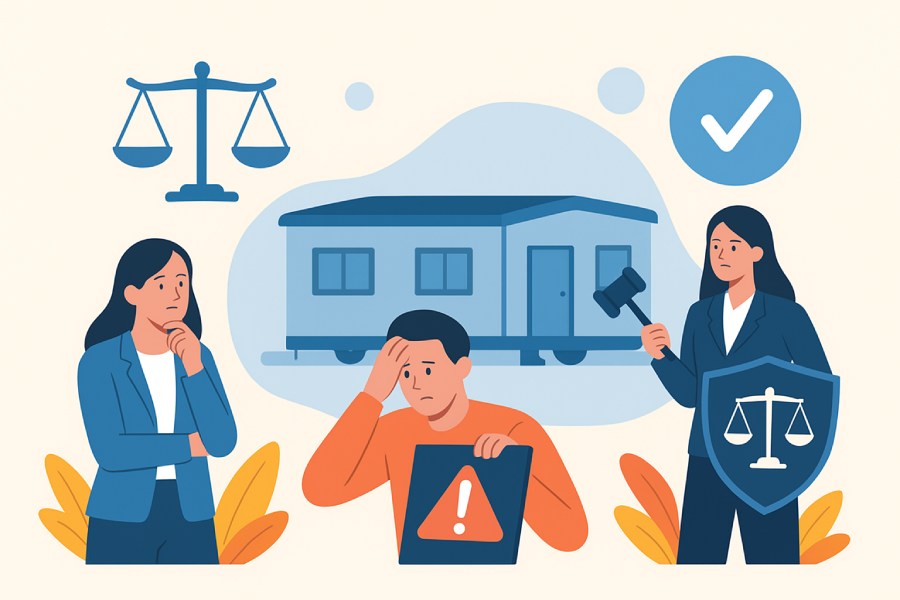
Purchasing a mobile home is frequently regarded as a budget-friendly option for achieving homeownership. However, when problems such as defects, structural faults, or warranty conflicts occur, homeowners may become ensnared in a frustrating loop of repairs and wait times. This is where Lemon Laws for mobile homes come into play — these laws are established to protect consumers against defective purchases and ensure manufacturers are held responsible.
00:00
Understanding Lemon Laws for Mobile Homes
Initially designed for cars, Lemon Laws have expanded in certain states to cover mobile and manufactured homes, offering protection to buyers from persistent safety, habitability, or value concerns. Although the federal HUD Code establishes minimum construction and safety criteria, numerous states enhance consumer protection with additional Lemon Law provisions or warranties.
What Makes a Mobile Home a “Lemon”?
A mobile home can be classified as a lemon if it exhibits:
Major defects related to its structure, plumbing, electrical systems, or heating.
Numerous states provide consumer protection laws or implied warranties specific to mobile homes. For example, states such as California, Florida, and Texas have enacted measures that mandate manufacturers to fix or replace defective parts within designated timeframes.
Highlighting California’s Legislation
In California, mobile homes with warranties must meet quality standards under the Song-Beverly Act. If manufacturers fail to fix issues after multiple attempts, homeowners may get refunds, replacements, or damage compensation.
Key Rights of Mobile Homeowners Under Lemon Law
Right to Repair or Replace: Manufacturers typically have a fair chance to address defects. If they are unsuccessful after multiple attempts, the homeowner has the option to request a new home or a full refund.
Right to Compensation: Beyond just receiving a replacement, homeowners may also recoup additional expenses such as transportation costs, legal fees, and any loss of use of the residence.
Right to Legal Counsel: Given the complexities of Lemon Law claims, homeowners are entitled to seek guidance from lawyers who specialize in consumer protection. Many attorneys operate on a contingency fee basis, meaning you only pay if you win your case.
How to File a Lemon Law Claim for a Mobile Home
Step 1: Record All Issues
Maintain a comprehensive log of any defects, attempts at repairs, and communications with manufacturers or dealers. Make sure to include:
Invoices and receipts related to repairs.
Visual evidence like photos or videos of the defects.
Any exchanges with repair staff or warranty departments.
Step 2: Inform the Manufacturer
Typically, you’ll need to notify the manufacturer in writing about the defects before pursuing a legal claim, giving them the opportunity to fix the issues.
Step 3: Submit Your Claim with State or HUD
Depending on your location, you might submit your claim through:
If problems continue, a Lemon Law attorney can assist with negotiating settlements, initiating lawsuits, or seeking arbitration.
Pro Tip:
Hiring a lawyer early on can improve your chances of achieving a satisfactory resolution, particularly when dealing with large companies that have considerable legal resources.
Common Challenges in Lemon Law Cases for Mobile Homes
Manufacturer Responsibility Challenges
Manufacturers occasionally postpone inspections, causing homeowners to experience delays in receiving answers. Additionally, they might shift responsibility onto installers or parts suppliers, which complicates accountability.
Regulatory Conflicts
Mobile homes fall under a complex mix of federal and state regulations that sometimes overlap or even conflict, creating confusion for homeowners about where to turn when defects arise. This legal gray area often delays solutions and leaves many issues unresolved. Consulting a California Lemon Law lawyer can help homeowners navigate these challenges and ensure their rights are properly protected.
Insurance Coverage Gaps
Lemon Laws do not encompass all types of defects. Typically, issues arising from inadequate maintenance, normal wear and tear, or modifications made by homeowners are not covered. Consequently, homeowners might face unprotected areas and unforeseen costs.
Strategies for Homeowners to Navigate These Challenges
In South Bay, California, while Lemon Laws provide protection, it’s always smarter to prevent legal battles by taking proactive measures.
Research Before You Buy: Investigate the reputation of the manufacturer, seek out customer feedback, and check for any complaints lodged with the Better Business Bureau (BBB) or the HUD complaint database.
Evaluate Before You Commit: Prior to completing your purchase, consider hiring an independent inspector to review the property for any apparent or hidden issues.
Organize Your Documentation: Keep an organized file that includes purchase agreements, warranty details, and all communications. These documents will be crucial if problems arise in the future.
Don’t Overlook Minor Issues: Minor issues like leaks, misaligned doors, or faulty outlets can signal bigger problems, so reporting them early strengthens your warranty claim.
Key 2025 Stats on Mobile Home Warranties and Lemon Law Protection
Statistic
Value
Manufactured home shipments ↑ YoY
5.30%
Borrowers using contract financing
20%
New home warranty claims rate
0.94%
Home warranty service market size
$9.07B
Approved home warranty claims
87%
Turning Sour Deals into Justice
Manufactured homes offer affordability and flexibility, but homeowners deserve prompt, fair solutions when problems occur. San Diego Lemon Law attorneys help hold manufacturers accountable, ensuring buyers get a safe and reliable home. If your mobile home has persistent issues or uncooperative manufacturers, document everything and seek legal guidance—Lemon Laws exist to protect both your home and peace of mind.
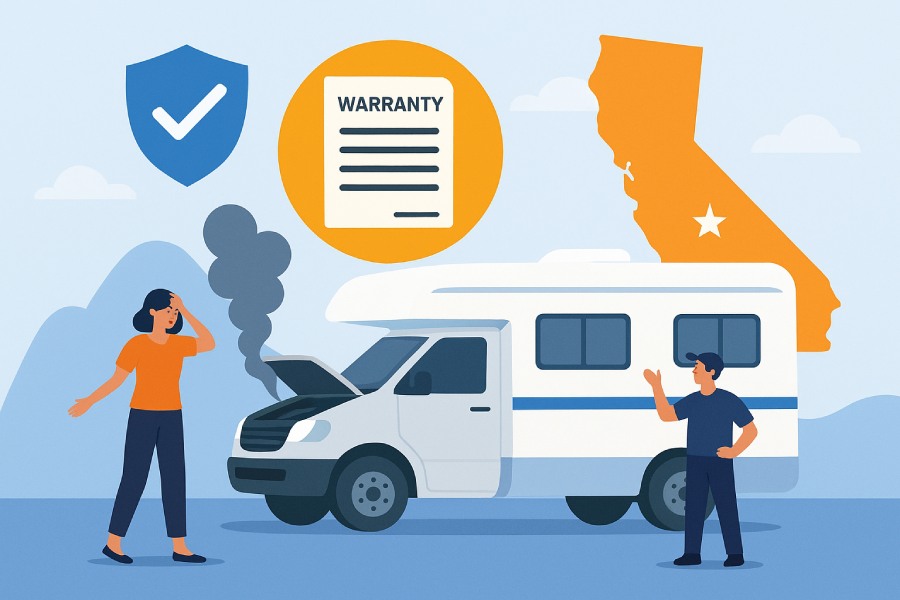
Recreational vehicles (RVs) represent the spirit of adventure, discovery, and travel. From family vacations at the Grand Canyon to journeys across the country, RV enthusiasts prioritize comfort and dependability. However, what do you do if your ideal getaway becomes a disaster due to a breakdown, especially when you find yourself far from home, potentially outside of California?
Understanding the differences between California’s Lemon Law and standard warranty claims can help protect your rights and show you the best course of action. Consulting a California Lemon Law attorney ensures you’re fully informed and supported when your RV faces unexpected issues.
Understanding California’s Lemon Law for RV Owners
The California Song-Beverly Consumer Warranty Act, often referred to as the California Lemon Law, is designed to safeguard consumers who buy or lease new or used vehicles, including certain types of recreational vehicles (RVs), that prove to be faulty.
However, the application of the Lemon Law differs for RVs in comparison to regular automobiles. Here are the specifics:
Motorhomes: The law generally covers the chassis, chassis cab, and propulsion system, but does not extend to the living areas, which includes appliances, plumbing, and other interior features.
Towable RVs (such as trailers, fifth wheels, and campers): These vehicles typically fall outside the scope of the Lemon Law since they do not have a motorized drive system.
Warranty Coverage: The components of an RV’s living space are usually protected under manufacturer or component warranties instead of being covered by the Lemon Law.
If your RV meets the criteria set by the Lemon Law, the manufacturer is obligated to repair, replace, or refund the vehicle if significant defects persist after a reasonable number of repair attempts.
What Happens When the Breakdown Occurs Outside California?
California Lemon Law Still Applies — If the Vehicle Qualifies
Even if your RV malfunctions outside of California, the state’s Lemon Law can still offer you protection, provided you purchased or leased the vehicle in California, are a resident of the state, and primarily used and registered it there. This means you can file a claim through California’s legal channels, regardless of where the defect happened.
You might have to bring your RV to an approved repair shop, which could be located out of state, to get repairs and necessary documentation. It is crucial to retain all records of repairs, invoices, and any correspondence to bolster your Lemon Law claim.
Warranty Claims Take Over When Lemon Law Doesn’t Apply
California’s Lemon Law does not encompass every issue related to recreational vehicles (RVs). Issues pertaining to non-motorized parts, such as electrical systems, air conditioning units, kitchen appliances, or plumbing, are instead addressed by the manufacturer’s warranty.
Manufacturer warranties, including standard 1–3 year coverage, individual component warranties, and optional extended plans, remain valid even if your RV breaks down outside California, as long as you use authorized repair centers and follow the proper claims process.
Jurisdiction and Location: Where You Can File a Claim
The location for filing a claim is determined by the specific coverage and the state where the RV was acquired. If the RV was purchased or registered in California, Lemon Law claims must be submitted there. In contrast, warranty claims can be addressed at any authorized dealership or service center throughout the United States.
In the event that your RV experiences a breakdown while you are out of state, your first step should be to reach out to the manufacturer’s customer service for assistance in locating the closest authorized repair facility. It’s important to keep thorough records of any repairs, as this documentation is vital for both warranty claims and potential Lemon Law issues.
When to Contact a California Lemon Law Attorney
If your RV continues to have problems despite multiple repairs or has been out of service for 30 days or more, consult a California Lemon Law lawyer for expert guidance.
A legal expert can assess whether your circumstances meet the criteria for a Lemon Law buyback or if they are better addressed through warranty options. Additionally, they can manage all interactions with the manufacturer, particularly if the company is uncooperative due to the malfunction happening outside of California.
The primary advantages of obtaining legal support are:
Making sure your repair efforts comply with California’s stipulation for a “reasonable number” of attempts.
Analyzing warranty contracts and jurisdictional provisions that span multiple states.
Managing arbitration or legal proceedings that cross state borders.
Achieving complete reimbursement, which may include possible refunds or replacement recreational vehicles.
Practical Tips When Your RV Breaks Down Outside California
Reach Out to the Manufacturer Promptly: Notify the manufacturer or dealer right away to initiate a repair case.
Utilize Certified Repair Shops: This guarantees adherence to warranty requirements and establishes formal records.
Maintain All Records: Save copies of repair invoices, towing slips, and any correspondence related to the issue.
Monitor Repair Incidents: Keep track of the frequency of the same problem and the duration your RV remains non-operational.
Know Your Entitlements: Familiarize yourself with your purchase agreement, warranty terms, and the stipulations of the California Lemon Law.
Key Differences: Lemon Law vs. Warranty Claims
Aspect
California Lemon Law
Manufacturer or Extended Warranty
Coverage
Defective RVs (engine/chassis systems)
Repairs for covered components
Location of Purchase
Must be in California
Valid nationwide
Applies To
New or used RVs with persistent defects
Specific parts, systems, or services
Remedy
Refund, replacement, or cash compensation
Repair or replacement of parts
Legal Process
Handled under California law
Handled via warranty terms
Legal Representation
Often involves an attorney
Usually resolved with service departments
Protecting Your RV and Your Rights
Breaking down outside California doesn’t strip you of your rights — the state’s Lemon Law still protects qualifying RVs purchased or registered there. For issues beyond Lemon Law coverage, manufacturer and component warranties provide additional protection if proper repair procedures are followed. Consulting a San Diego Lemon Law attorney ensures your rights are fully safeguarded, keeping your journey and legal protections on track wherever you travel.
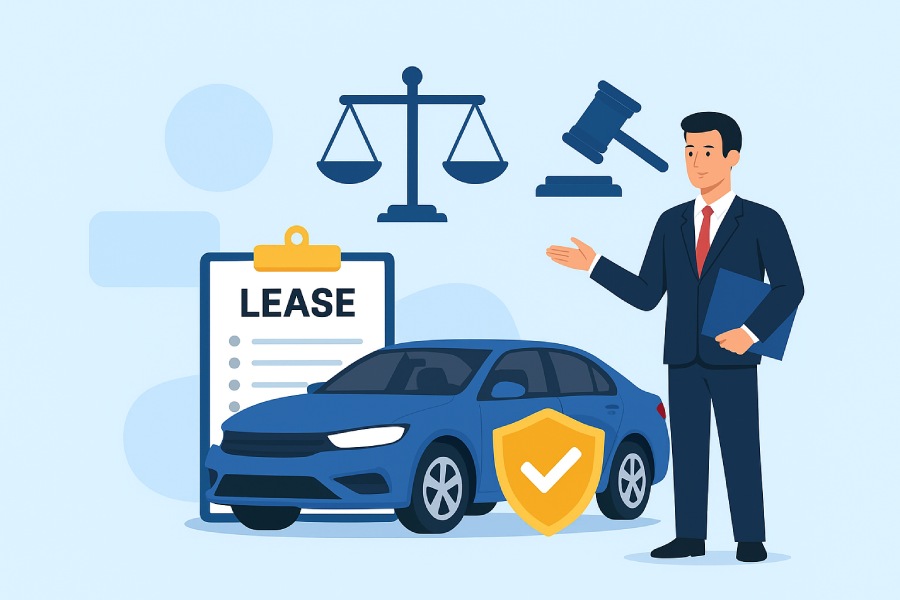
Drivers of leased vehicles commonly believe that their legal rights are less extensive than those of owners. In reality, U.S. Lemon Laws provide leased cars with protections that are very similar to those granted to purchased vehicles. These regulations aim to safeguard consumers from cars that do not meet safety and quality criteria. It’s important for those with leased vehicles to be aware of their rights to guarantee they receive fair treatment and proper compensation.
00:00
1. Right to a Safe and Reliable Vehicle
Leased vehicle drivers are entitled to a safe, reliable car, and if manufacturers fail to meet safety or quality standards, they may file a Lemon Law claim to protect their rights.
Vehicle Safety Assurance
Drivers of leased vehicles are encouraged to monitor:
Recalls and Safety Alerts
Stay informed about any manufacturer recalls or safety notifications. Neglecting these updates could negatively impact your Lemon Law claim.
Major Mechanical Problems
Instances such as brake failures, engine issues, or steering problems categorize a vehicle as unsafe.
2. Right to Timely Repairs
Leased vehicle drivers are entitled to timely, professional repairs for warranty-covered defects, and if manufacturers or dealerships fail to resolve these issues promptly, the vehicle may qualify as a lemon, giving drivers the right to pursue legal remedies.
Significance of Keeping Repair Records
It’s essential to keep thorough documentation of all repair efforts, such as invoices and service records. This evidence bolsters your case and demonstrates that the manufacturer or dealership did not adequately address the issue after making reasonable attempts.
What to Document
Dates of repair appointments
Description of the issue
Notes from the technician
Time taken for the repairs
3. Right to Refund or Replacement
If a leased vehicle is deemed a lemon, you are entitled to select either a refund or a replacement.
Refund: Generally consists of all lease payments, initial payments, and specific fees, with a minor deduction for mileage incurred prior to the first documented issue.
Replacement: The manufacturer is obligated to supply a similar vehicle that adheres to the same lease terms.
Negotiating With the Manufacturer
Lemon Laws specify your entitlements, but engaging directly with the manufacturer or dealership may expedite finding a solution. An experienced California Lemon Law lawyer ensures you receive the maximum refund or an appropriate replacement.
Strategies for Effective Negotiation
Maintain a professional and recorded line of communication
Clearly showcase repair documentation
Understand your legal rights prior to beginning negotiations.
4. Right to Legal Representation
Leased vehicle drivers have the right to hire a Lemon Law attorney. These lawyers specialize in handling disputes with manufacturers and dealerships and ensure that your rights are fully protected.
Benefits of Legal Assistance
Legal support offers skilled negotiation with producers and helps with the submission of claims and handling intricate documentation. It safeguards you against unjust settlement proposals and delivers robust advocacy in arbitration or legal matters when required.
When to Hire an Attorney
Consider enlisting the services of a lawyer if multiple attempts to repair the problem have been unsuccessful, if the manufacturer refuses to offer a replacement or refund, or if you encounter retaliation or false information while navigating the claims process.
5. Right to Protection From Retaliation
Lemon Laws protect consumers from backlash by manufacturers or dealerships, guaranteeing that you won’t face penalties, intimidation, or deceit when you stand up for your rights. Typical forms of retaliation may involve refusing warranty services, making credit threats, or giving inaccurate repair information. To safeguard yourself, maintain all correspondence, record phone conversations where permitted, and keep a record of any threats or cautions you’ve received.
6. Right to Disclosure
Vehicle manufacturers and dealerships must reveal any known issues before a lease agreement is made. Those leasing a vehicle are entitled to complete transparency regarding the vehicle’s condition.
What is Considered Non-Disclosure
This encompasses not revealing past accidents or damages, neglecting to mention ongoing safety recalls, and hiding existing mechanical problems.
The Impact of Non-Disclosure on Claims
Failure to disclose relevant information can bolster your Lemon Law case, potentially resulting in a refund or vehicle replacement. Ensure you keep records of any evidence related to undisclosed issues.
7. Right to Reasonable Repair Attempts
Drivers of leased vehicles have the right to a fair number of attempts to repair their car before it is classified as a lemon, usually following multiple unsuccessful repairs for the same problem. To bolster your Lemon Law case, maintain thorough documentation of every service appointment, noting the date, issue type, repair results, and any technician comments.
8. Right to Arbitration
Many states provide arbitration services to help resolve disputes between consumers and manufacturers. Leased vehicle drivers can use arbitration before taking legal action, often resulting in faster and less expensive resolutions.
To prepare, gather all repair records, outline a clear timeline of issues, and include any correspondence with the manufacturer to strengthen your case.
9. Right to Seek Damages Beyond Refund or Replacement
Numerous states offer arbitration services to help settle conflicts between consumers and manufacturers. Drivers of leased vehicles can seek arbitration prior to initiating any legal proceedings.
Benefits of Arbitration
Quicker outcomes compared to court proceedings
Lower legal costs
Legally enforceable binding decisions
Getting Ready for Arbitration
Gather all repair records, organize a clear timeline of the issues, and include any communications with the manufacturer.
Leased vehicle drivers inArcadia, California, Leased drivers in Arcadia, CA, have Lemon Law rights, including refunds, replacements, and compensation.
Key Statistics: Lemon Law Rights for Leased Vehicle Drivers
Stat
Info
Source
82%
States cover leased vehicles under Lemon Laws
NCLC, 2025
67%
Claims lead to refund/replacement
Auto Survey, 2025
45 days
Avg. time to resolution
U.S. Consumer Affairs, 2025
71%
Lessees unaware of rights
Consumer Legal Study, 2025
$12,800
Avg. compensation awarded
AAA Legal Trends, 2025
Leased vehicle drivers are protected under Lemon Laws, ensuring their right to a safe, reliable vehicle and fair compensation for defects. By keeping detailed records and consulting a skilled Lemon Law lawyer in San Diego, you can pursue a refund, replacement, or compensation and protect your safety and financial stability.