A California lemon law buyback may seem simple, but missing details can reduce the compensation you receive. The Song-Beverly Consumer Warranty Act allows eligible consumers to seek a vehicle repurchase when warranty repairs fail. Reviewing every part of the buyback offer helps ensure you receive all payments you may be entitled to.
1: Accepting a Buyback Offer Before Confirming the Full Refund Formula
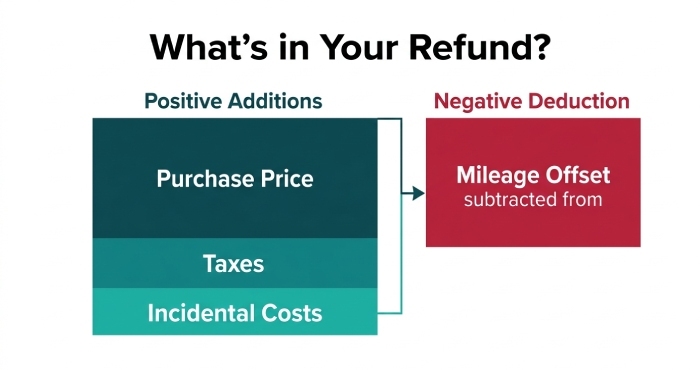
The first trap is assuming the number in the offer letter is the correct buyback refund. Under the California lemon law, a lemon law buyback generally includes the down payment, monthly payments, registration-related charges, and other eligible payments, minus a mileage offset.
A proper refund calculation should account for what the Consumer actually paid, not just the current value of the vehicle. The Song-Beverly Consumer Warranty Act is not a trade-in statute; it is designed to restore consumers when warranty coverage fails. A lemon law attorney can review whether the manufacturer buyback offer includes all recoverable amounts.
What Should Be Included in the Refund Calculation?
The buyback process should account for the purchase price or lease payments, sales tax, vehicle registration, finance charges, and certain incidental damages. If the Manufacturer leaves out towing, rental cars, rideshare costs through Uber or Lyft, or other out-of-pocket costs caused by the defect, the offer may be incomplete.
The Difference Between Value and Statutory Refund
A vehicle repurchase is not based on what the Dealer says the car is worth today. California lemon law focuses on the statutory refund formula, warranty coverage, and the impact of the defect during the manufacturer’s warranty period.
2: Overlooking the Mileage Offset Deduction in California Lemon Law Claims
The mileage offset in a California Lemon Law buyback is typically based on the miles driven before the first repair attempt for the defect. An incorrect calculation can significantly reduce your refund, so reviewing repair records and the first qualifying service visit is essential before accepting a buyback offer.
3: Letting the Manufacturer Undervalue Taxes, Registration, and Incidental Costs
A lemon law buyback should accurately include eligible sales tax, registration fees, and other recoverable costs. Keep receipts and records for expenses such as rental cars, towing, or rideshare trips, as proper documentation can help support reimbursement for incidental damages.
4: Assuming the First Offer Is the Best the Automaker Will Make
The first settlement offer from a manufacturer is not always the maximum amount available under California Lemon Law. If your vehicle has repeated warranty repairs, a serious safety defect, or extended time in the repair shop, you may qualify for a higher refund or a full buyback under the Song-Beverly Consumer Warranty Act, so review any offer carefully before accepting it.
5: Missing Hidden Release Language That Waives Future Legal Rights
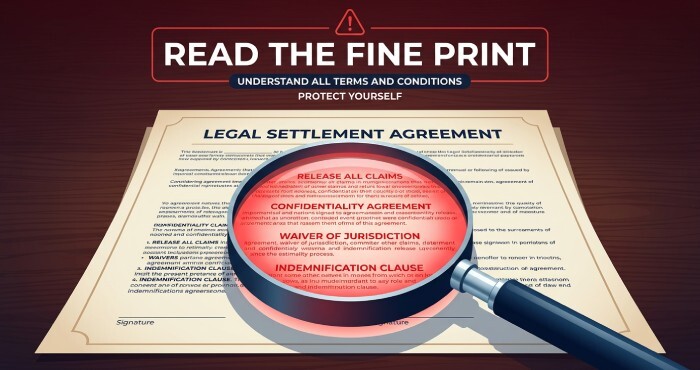
A lemon law settlement agreement may include release terms that waive more rights than expected, including future claims against the manufacturer or related parties. Before signing, review the agreement carefully to ensure the release is limited to the vehicle buyback and does not unnecessarily affect other legal or warranty rights.
6: Failing to Account for Loan Payoff, Negative Equity, or Lease Obligations
If your vehicle is financed or leased, a lemon law buyback should clearly explain how the loan or lease payoff will be handled. Before accepting a settlement, confirm that it resolves any remaining financial obligations, including lender or lessor balances, to avoid unexpected costs or delays.
7: Agreeing to a Replacement Vehicle Without Comparing It to a Refund
A replacement vehicle is not always the best outcome under California Lemon Law. Before accepting one, compare it with a refund to understand differences in financing, warranty coverage, monthly payments, and overall value, especially if the replacement is a certified pre-owned vehicle.
When a Replacement May Be Less Favorable
If the original vehicle had repeated repair attempts, a recurring safety defect, or extensive time out of service, a full lemon law buyback may be better than a replacement vehicle. A qualified California lemon law lawyer can compare the legal and financial consequences before the Consumer commits.
8: Not Documenting Repair Attempts, Downtime, and Dealer Communications
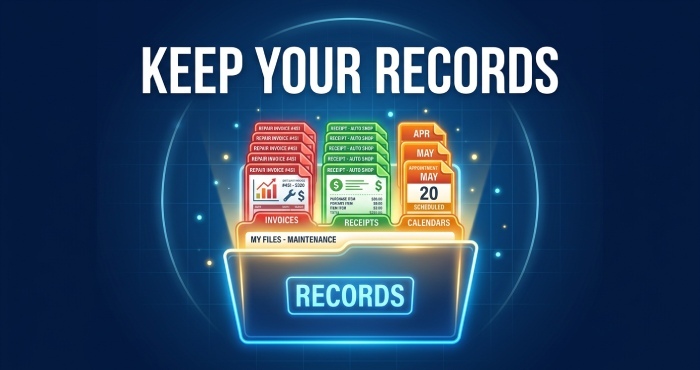
Strong repair records are essential for a successful California Lemon Law claim. Keep all repair orders, service dates, and written communications, as these documents help prove the defect persisted despite multiple repair attempts and support your eligibility for a refund or buyback.
9: Waiting Too Long to Contact a Lemon Law Lawyer in California
Acting early can strengthen your California Lemon Law claim. If your vehicle has repeated repair attempts, extended downtime, or the manufacturer suggests arbitration, consulting a lemon law attorney promptly can help protect your rights and improve your chances of a successful buyback or settlement.
California State drivers with RV or motor home problems may need advice from an rv lemon law attorney because large recreational vehicles often involve multiple warranty providers and complex inspection issues. Consumers in Southern California may also consult a lemon law attorney san diego when the buyback process involves local Dealers, return logistics, or regional manufacturer representatives.
Organizations such as Lemon Law Group Partners and other California lemon law firms often emphasize early review because documentation, warranty coverage, and timeline issues are easier to address before settlement pressure begins.
10: Signing Settlement Paperwork Before Reviewing Attorney Fee Protections
California’s lemon law allows Consumers who prevail under the Song-Beverly Consumer Warranty Act to recover reasonable attorney’s fees from the Manufacturer. Those fees should be paid separately and should not reduce the buyback refund, cash settlement, or repurchase amount.
Before completing a lemon law buyback, Consumers should review the refund calculation, mileage offset, loan or lease payoff, DMV paperwork, release terms, and payment timeline. Confirming these details helps ensure the buyback resolves the issue without unexpected financial complications.
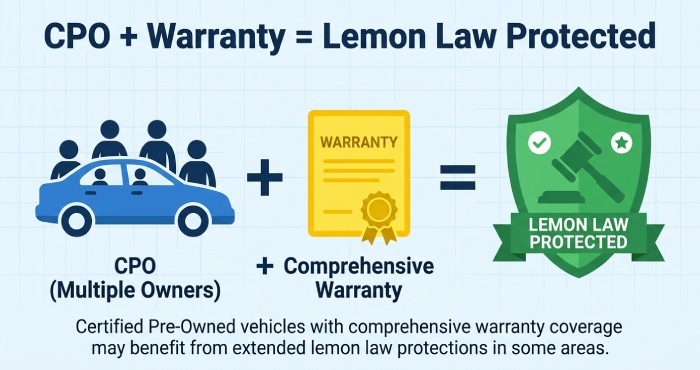
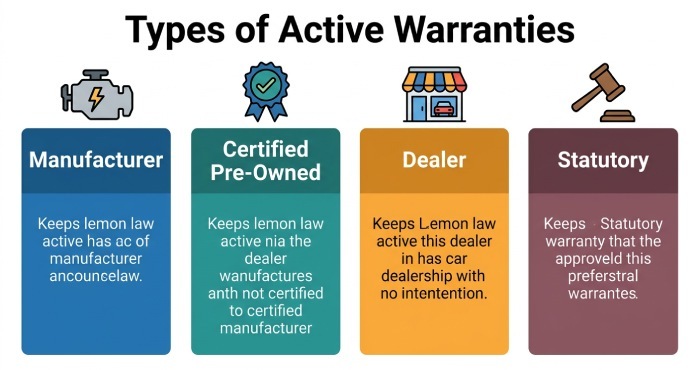
Yes. A certified pre-owned car with multiple previous owners can still qualify for lemon law protection if it was sold with a valid written warranty and the defect occurred during applicable warranty coverage. Under the California Lemon Law, the key issue is not simply how many people owned the pre-owned vehicle before you. The central question is whether the manufacturer, dealer, or warranty provider failed to repair a substantial defect after reasonable repair attempts while the manufacturer’s warranty or CPO warranty was still active.
For buyers in Orange County and throughout California, this distinction matters. Many consumers assume that used cars, pre-owned cars, or Certified Pre-Owned (CPO) vehicles are excluded from Lemon Law protections. That is not always true. A certified pre-owned car may be protected if it came with a manufacturer’s warranty, a remaining new car warranty, or another qualifying written warranty backed by the manufacturer.
How California Lemon Law Applies to Certified Pre-Owned Vehicles
The California Lemon Law, formally part of the Song-Beverly Consumer Warranty Act, protects consumers who purchase or lease vehicles covered by a written warranty. While many people associate California Lemon Law with brand-new vehicles, lemon law coverage can also apply to certified pre-owned vehicles when they are sold with warranty protection.
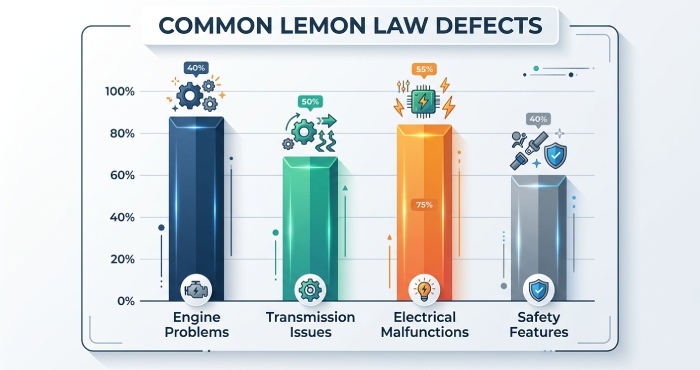
A Certified Pre-Owned (CPO) vehicle is typically inspected, reconditioned, and backed by the manufacturer or a manufacturer’s agent. If the certified pre-owned car has serious vehicle defects—such as engine problems, transmission issues, electrical malfunctions, or defective safety features—the buyer may have a valid lemon law claim.
CPO Cars and Written Warranty Protection
In California, a certified pre-owned (CPO) car that comes with a written warranty might be eligible for protection under the Lemon Law. If a significant issue compromising the vehicle’s safety, functionality, or worth cannot be resolved after a reasonable number of attempts to repair it, the owner could be entitled to various remedies, including a refund, replacement, compensation, or a buyback from the manufacturer, commonly known as a lemon law buyback.
Consumers searching for guidance may compare resources from a California lemon law lawyer, especially when evaluating whether a certified pre-owned car still has enforceable warranty rights.
Why Multiple Previous Owners Do Not Automatically Disqualify a CPO Vehicle
Multiple prior owners do not automatically prevent a pre-owned vehicle from being covered under California Lemon Law. The number of owners may affect the factual analysis, but it is not the sole deciding factor. What matters most is whether the vehicle was sold with an active manufacturer’s warranty, CPO warranty, or other qualifying written warranty.
For example, a certified pre-owned car may have had two previous owners but still be sold by an authorized dealer with manufacturer-backed warranty coverage. If that pre-owned vehicle develops a persistent issue during the warranty period, the buyer may still have a lemon law claim.
What Really Matters: Warranty Status and Defect History
A lemon law attorney usually examines the warranty, documentation of repairs, purchase receipts, and any proof indicating when the defect first occurred. If the problem surfaced while under the manufacturer’s or certified pre-owned warranty, the buyer might still have legal avenues to pursue.
Thorough repair documentation, assessments from mechanics, and records from repair shops can demonstrate that a significant defect was present and that attempts to fix it were not successful.
When a Prior Lemon Law Buyback Is Involved
If the certified pre-owned car was previously repurchased by the manufacturer, the seller may have had a duty to disclose that history. A prior manufacturer repurchase does not always mean the vehicle cannot be resold, but the disclosure must be accurate. A lemon law attorney can evaluate whether the manufacturer repurchase history was properly revealed and whether a new lemon law claim is still available.
The Role of Manufacturer Warranties and CPO Warranty Coverage
A manufacturer’s warranty is often the foundation of a California Lemon Law case involving a certified pre-owned car. The warranty may be the remainder of the original new car warranty, an extended CPO warranty, or another written warranty issued by the manufacturer or warranty provider.
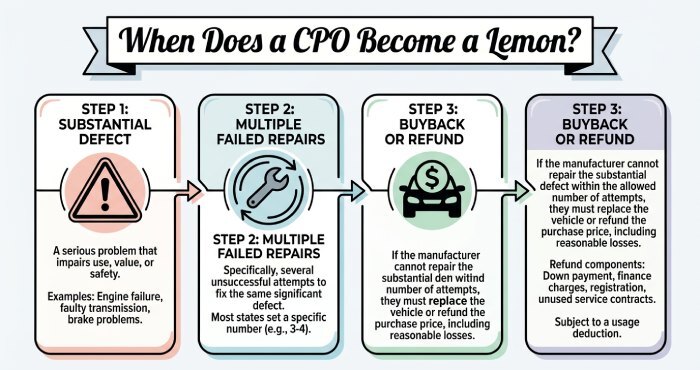
If the pre-owned vehicle has ongoing warranty coverage, the manufacturer may be responsible for repairing covered defects. When the manufacturer or its authorized dealer cannot repair a substantial defect after reasonable repair attempts, the consumer may have a lemon law claim.
Why the Manufacturer’s Warranty Is Critical
The manufacturer’s warranty helps determine whether the defect arose during the protected period. Time restrictions, mileage limits, and warranty terms all matter. If the defect began before the warranty expired, the buyer should preserve documentation showing the first repair visit, repair orders, and communications with the dealer or manufacturer.
Key Evidence Needed to Prove a Lemon Law Claim for a Used CPO Car
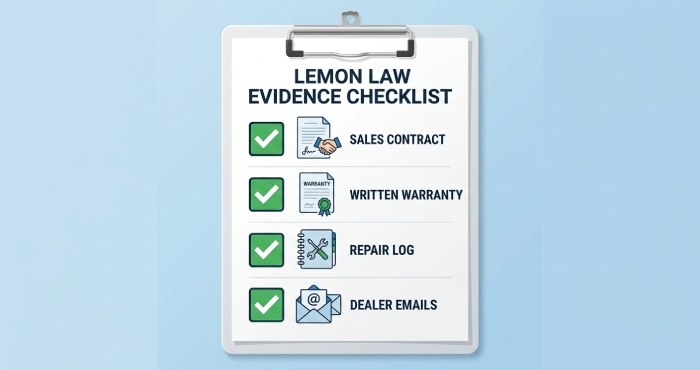
Important evidence may include:
The CPO sales contract and purchase documents
The written warranty, manufacturer’s warranty, and CPO warranty booklet
A complete repair log showing dates, mileage, symptoms, and repair attempts
Repair orders documenting engine problems, transmission issues, electrical malfunctions, or safety features that failed
Emails, text messages, or letters exchanged with the dealer or manufacturer
Notes about loss of use, towing, rental cars, or repeated visits to the mechanic
A California Lemon Law case often turns on whether the manufacturer had a reasonable opportunity to repair the pre-owned vehicle. If the same significant defect continues after multiple repair attempts, or if the car spends an excessive number of days out of service, the certified pre-owned car may qualify for a lemon law buyback.
For broader regional comparison, some consumers also review resources from a lemon law attorney san diego when researching how California claims are handled.
When to Contact a Lemon Law Lawyer in California for a Certified Pre-Owned Vehicle
A consumer should contact a lemon law attorney as soon as recurring problems appear in a certified pre-owned vehicle covered by a manufacturer’s warranty or written warranty. In Orange County, firms such as Attorney Barnes and Barnes Law Firm Orange County may offer a free consultation to determine whether the vehicle qualifies for a lemon law buyback.
An attorney can handle negotiations, mediation, or litigation if necessary, and may also identify issues involving prior repurchases or inadequate disclosures. Consumers with defective motor homes or recreational vehicles can similarly seek guidance from an RV lemon law attorney to evaluate their rights and available remedies.
Numerous buyers acquire extended warranties with the belief that they provide thorough coverage, only to find out later that some repairs are not included when issues occur. Typical exclusions can encompass items affected by normal wear and tear, regular maintenance, pre-existing issues, and damage resulting from misuse or neglect. By being aware of these restrictions before agreeing to a warranty, consumers can prevent surprise expenses and make wiser choices regarding their coverage.
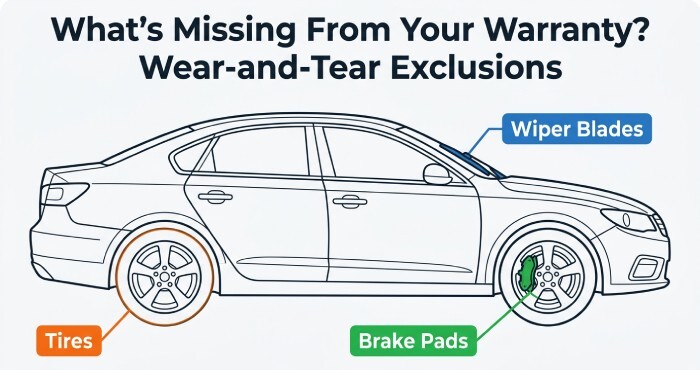
Wear-and-Tear Items and Routine Maintenance That Extended Warranties Usually Do Not Cover
An extended warranty is often marketed as purchase protection against expensive car repairs, but consumers frequently misunderstand what warranty coverage actually includes. Unlike a factory warranty or manufacturer warranty, which typically comes with a new vehicle purchase, an extended warranty is usually a service contract sold by a dealership, auto dealer, service plan company, or Private warranty provider after—or near the end of—the original warranty period.
Consumables, Maintenance, and “Normal Use” Parts
Most extended warranty plans exclude wear-and-tear items and routine maintenance. Brake pads, tires, wiper blades, belts, hoses, fluids, filters, spark plugs, alignments, and oil changes are rarely covered parts. Even when bumper-to-bumper coverage sounds broad, the warranty fine print may state that maintenance items are outside the service contract.
This is also true for many dealer warranty products, third-party warranty plans, and even some used car warranty agreements. A dealer warranty may cover specific mechanical failures, but it usually does not pay for predictable deterioration. Powertrain coverage, for example, may include engine coverage, transmission coverage, and drive axle coverage, but it will not usually cover clutch wear, fluid services, or damage caused by missed maintenance.
Why “Bumper-to-Bumper” Does Not Mean Everything
Bumper-to-bumper coverage can be misleading. A factory warranty may offer strong bumper-to-bumper coverage for a limited period, but an extended warranty version may include more warranty exclusions. The manufacturer warranty might cover defects in workmanship, while a third-party warranty may only cover listed failures of named components. Consumers should compare factory warranty terms, dealer warranty promises, and third-party warranty limits before assuming the warranty benefits are identical.
Pre-Existing Problems, Improper Repairs, and Maintenance Record Requirements
Maintenance Records and Claim Denials
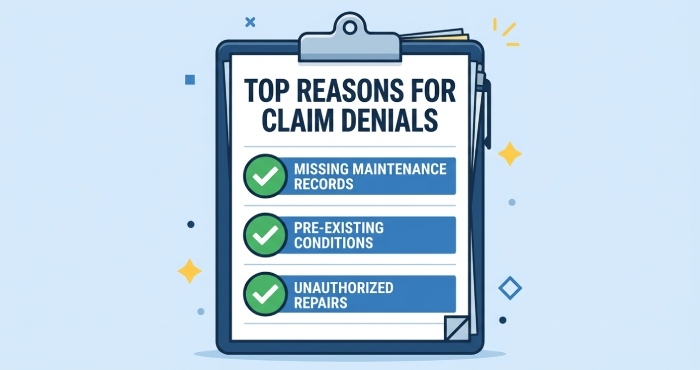
Extended warranty providers often require proof that the vehicle was maintained according to the manufacturer’s recommended service schedule. Missing records for oil changes, coolant flushes, or transmission services can lead to claim denials, particularly when engine, transmission, or drivetrain components fail.
Coverage may also be denied if prior repairs were performed improperly, non-OEM parts were used where required, or unauthorized repairs contributed to the breakdown. In addition, many warranty contracts require repairs to be completed at approved repair facilities or dealerships before reimbursement or coverage will be considered
Keep Written Proof Before and After Repairs
A written warranty, maintenance receipts, diagnostic reports, and repair invoices can be critical. A reputable provider will explain documentation requirements clearly, while a less transparent service contract provider may rely on vague language to deny repair bills. Consumers should also track repair attempts, mileage limitations, and any conversations with the warranty administrator.
Exclusions for Electronics, Software, Diagnostics, and “Non-Mechanical” Components
Modern vehicles depend heavily on software, sensors, modules, cameras, infotainment systems, hybrid systems, and advanced driver-assistance technology. Yet many extended warranty contracts still distinguish between “mechanical breakdown” and electronic, software, diagnostic, or non-mechanical failures.
Electronics and Diagnostics Are Often Limited
Factory warranties typically include coverage for electronic parts while the original warranty is in effect. However, extended warranties frequently do not cover certain items like screens, navigation systems, key fobs, wiring, software upgrades, and diagnostic services.
Additionally, battery coverage may be restricted, with distinct warranties available for various battery components. Since coverage levels can differ significantly, it is crucial for consumers to thoroughly examine the warranty details and manufacturer information to know what is included and what is excluded.
How Lemon Law Protections Differ from Extended Warranty Coverage and When Consumers Should Seek Legal Help
Lemon law protections are fundamentally different from an extended warranty. A factory warranty, manufacturer warranty, dealer warranty, third-party warranty, or service contract is simply a promise to repair or pay for certain covered components. By contrast, lemon law rights are legal remedies that may apply when substantial vehicle defects persist despite reasonable repair attempts. A California lemon law lawyer can evaluate the repair history, warranty coverage, and defect documentation to determine whether the consumer may be entitled to a refund, replacement vehicle, or other relief under California’s lemon law statutes.
Warranty Coverage vs. Statutory Rights
A lemon law claim usually focuses on defects covered during the original manufacturer warranty or factory warranty period. State lemon law rules vary, but many require repeated repair attempts, a serious safety defect, or the vehicle being out of service for a specified number of days.
In Oakland, California, consumers may also rely on federal protections under the Magnuson-Moss Warranty Act when a written warranty is breached, supporting claims involving warranty coverage disputes, repeated repair failures, and deceptive warranty practices.
An extended warranty may help pay for out-of-pocket repairs after the factory warranty expires, but it generally does not create the same refund eligibility, replacement rights, or statutory compensation available under lemon law. A third-party warranty denial may be a contract dispute, while a lemon law case may involve the car manufacturer’s failure to repair defects under the manufacturer warranty. Arbitration may be required in some programs, and some consumers may encounter an arbitration form from a car manufacturer or state agency.
A lemon law expert or Lemon Law attorney can help determine whether the consumer has a service contract dispute, a manufacturer warranty claim, or a true lemon law claim. In California, consumers may consult a San Diego lemon lawyer to evaluate their legal options and determine whether they qualify for remedies under the state’s lemon law protections.
If the issue involves repeated defects during the factory warranty, lemon law may offer stronger remedies than an extended warranty. If the dispute involves denied repair costs under a dealer warranty, third-party warranty, or customizable coverage plan, the consumer may need to challenge service claim restrictions, repair shop restrictions, or improper exclusions directly with the service contract provider.
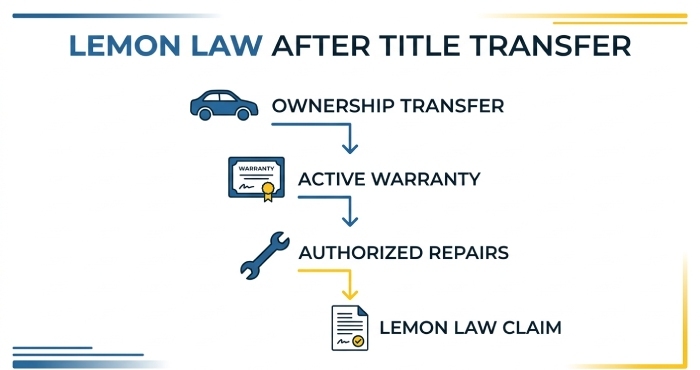
In California, vehicle owners can still benefit from lemon law protections even if the title has been transferred, depending on the warranty conditions and the vehicle’s repair history. It’s often surprising for many buyers to discover that manufacturers can still be held accountable for faulty vehicles after ownership shifts. Knowing how lemon law rights are affected by such transfers can help both buyers and sellers sidestep expensive errors.
00:00
Core Rules After a Vehicle Ownership Transfer
California lemon law is designed to protect consumers who are stuck with defective vehicles that cannot be repaired within a reasonable number of repair attempts during the applicable warranty period. A vehicle ownership transfer does not automatically erase every legal right connected to a car, truck, SUV, or other covered motor vehicles—but it can change the strength, timing, and proof required for compensation claims.
In California, the key issue is usually whether the transferred vehicle remains covered by a manufacturer’s express warranty,certified pre-owned warranty, dealer warranty, or another statutory warranty at the time the defect is reported. Manufacturer liability generally depends on whether the defect arose during the warranty period and whether the manufacturer or its authorized dealer had a fair opportunity to repair it.
What a Vehicle Title Transfer Means Under California Lemon Law
A vehicle title transfer changes the legal ownership of a vehicle through the California DMV, but it does not remove manufacturing defects or cancel manufacturer liability under California lemon law. If the vehicle is still under warranty and the defect affects its use, value, or safety, repair records and ownership documents remain important evidence.
This is why buyers of transferred defective vehicles should review:
The original in-service date
The remaining warranty period
Prior repair receipts
Purchase agreements and title documents
Dealer inspection reports
Any manufacturer communications
Whether the vehicle was sold as certified pre-owned or “as is”
A Lemon Law Lawyer can help evaluate whether a vehicle ownership transfer affects compensation claims, especially when ownership issues, warranty coverage, or prior repair attempts are disputed.
When Lemon Law Rights May Transfer to a New Owner
Lemon law rights may transfer if the manufacturer warranty transfers with the vehicle. Since most warranties follow the vehicle, a new owner may still have legal rights if covered defects continue after the ownership transfer.
Manufacturer liability is stronger when the same unresolved defect—such as engine, electrical, or braking problems—continues despite repeated repair attempts.
Limits, Sales Context, and Warranty Coverage
Key Limits: Used Cars, Private Sales, and Warranty Coverage
One major limitation after a vehicle ownership transfer is warranty coverage, because California lemon law does not protect every used car problem. If the vehicle is out of warranty or purchased through a private sale without warranty coverage, legal protections may be limited, and buyers may need to rely on fraud, misrepresentation, or contract-related claims if defects were intentionally hidden.
Used cars may still qualify when:
The original manufacturer warranty remains active
A certified pre-owned warranty applies
A dealer warranty or statutory warranty is included
The defect was reported during the warranty period
The manufacturer failed to complete reasonable repair attempts
Buyers should be careful with “as is” vehicle sales because they may still have legal rights for fraud, hidden salvage history, or warranty-related defects. An Experienced California lemon law attorney can review whether the used vehicle still qualifies for compensation claims.
Building and Pursuing a Strong Post-Transfer Claim
Documents Needed to Support a Lemon Law Claim After Transfer
After a title transfer, strong documentation helps prove warranty coverage and defect history under California lemon law.
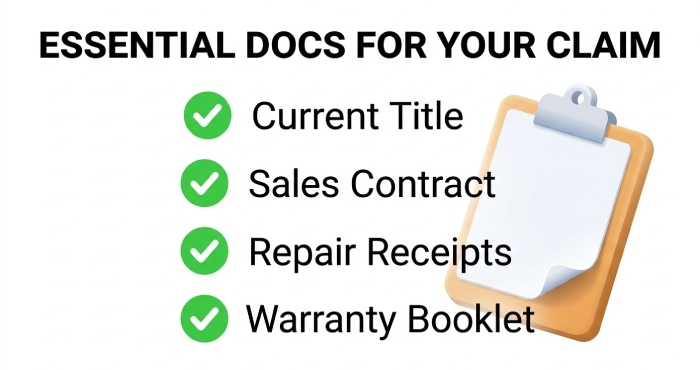
Important documentation includes:
Current title and vehicle registration
Sales contract or purchase agreements
Warranty booklet and in-service date
Certified pre-owned documents, if applicable
Repair receipts from authorized dealers
Diagnostic reports and inspection records
Written complaints to the dealer or manufacturer
Emails, text messages, and call logs
Loan or lease records from financial institutions
Any prior owner repair history
Repair receipts help prove repeated repair attempts and recurring defects. Records of long dealer downtime or serious safety issues may strengthen a lemon law claim.
For consumers needing California-specific guidance, a California Lemon Law attorney San Diego can review the warranty period, repair records, and title history to determine whether the transferred vehicle may qualify.
Steps to Take if a Transferred Vehicle Has Ongoing Defects
Confirm warranty coverage immediately. Check the original sale date, mileage limits, certified pre-owned coverage, and any statutory warranty that may apply.
Use an authorized dealer for repairs. Manufacturer liability is easier to prove when repair attempts are made through authorized facilities.
Describe the defect consistently. Use the same clear language each time. For example, “engine stalls while driving,” “transmission slips,” or “brake warning light returns.”
Keep all repair receipts. Every visit should include the complaint, diagnosis, repair performed, mileage, and dates out of service.
Submit a written claim. A formal claim submission to the manufacturer can begin the refund process or replacement or refund evaluation.
Avoid informal side deals. Dealer cooperation is helpful, but undocumented promises can create ownership issues and weaken legal rights.
Escalate if repairs fail. If the manufacturer refuses to act, consumers may pursue arbitration, court claims, or civil action depending on the facts.
A vehicle title transfer does not automatically eliminate California lemon law rights if the defect occurred during an active warranty period and repair attempts were unsuccessful. Strong documentation, including repair records and warranty details, is critical to proving manufacturer liability after ownership changes. Consumers dealing with ongoing defects in transferred vehicles should act quickly to protect their rights and evaluate potential compensation claims.
Owning an RV symbolizes liberation — the thrill of the open road, breathtaking campgrounds, and memorable experiences. However, if your RV spends more time at the mechanic than on journeys, that ideal can swiftly turn into aggravation. Ongoing issues, constant breakdowns, and expensive repairs can trap RV owners in a frustrating loop of trouble and costs.
00:00
Fortunately, California’s Lemon Law provides robust protections for those facing issues with defective vehicles, including some RVs. By gaining insight into how these laws function, what constitutes a lemon, and how to effectively navigate the claims process, RV owners can escape the cycle of relentless repairs and seek compensation, a replacement, or a refund.
What Makes an RV a Lemon in California?
Components Covered
In California, the coverage varies based on the RV type:
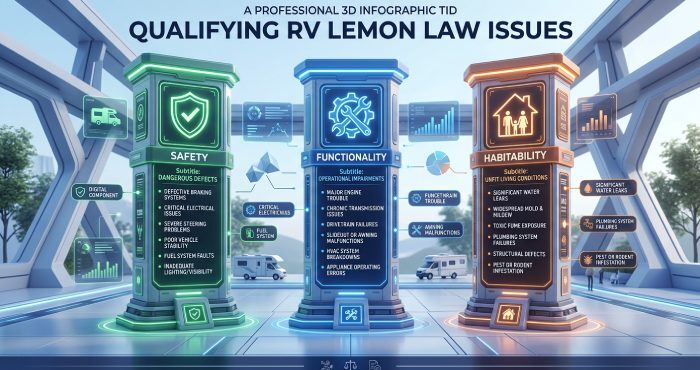
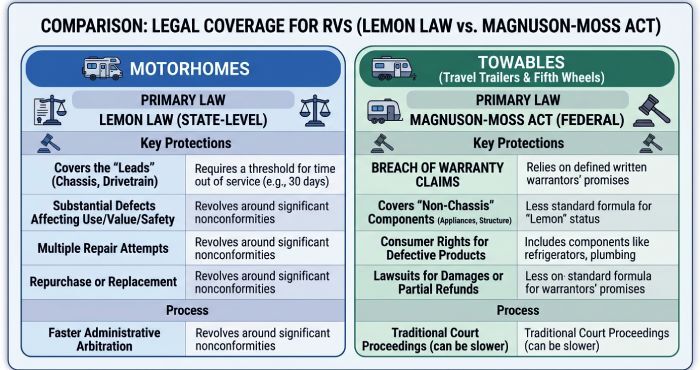
Motorhomes (Class A, B, and C): Generally covered under Lemon Law for both the chassis (including the engine, brakes, and transmission) and, in many situations, the living areas.
Towable RVs (such as travel trailers and fifth wheels): Usually not classified as “vehicles” under Lemon Law, but they may be eligible for remedies under warranty protections like the Magnuson-Moss Warranty Act.
This legislation pertains to newly purchased vehicles and some pre-owned ones that still have existing manufacturer warranties. It is typically upheld with the assistance of skilled Lemon Law attorneys. The law mainly focuses on motorized recreational vehicles (RVs) and mandates that the manufacturer must fix the defect, offer a replacement, or buy back the vehicle if the problem remains unresolved.
This federal statute is relevant to consumer products that have written warranties, which includes components of RVs. It is particularly beneficial in situations where the Lemon Law does not apply to certain parts, such as appliances or interior systems. It empowers consumers to pursue repairs, compensation, or reimbursement for legal costs.
Warranty Details
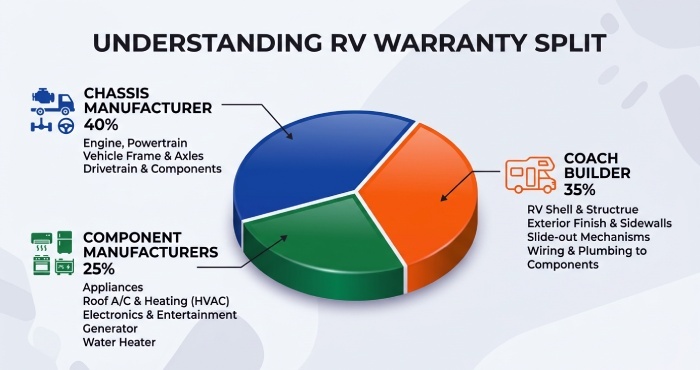
RV warranties are frequently divided among multiple parties:
The chassis manufacturer (responsible for the engine and drivetrain)
The coach builder (focused on the living spaces)
Component manufacturers (providing appliances, generators, and slide-outs)
It is essential to know which party is accountable for each defect. Certain repairs may need to be conducted by designated authorized service centers, and neglecting to adhere to these guidelines could impact your warranty claim.
Building a Strong Lemon Law Claim
Achieving a favorable outcome in a Lemon Law claim largely hinges on meticulous documentation and effective communication. A thoroughly prepared claim can be the turning point between a rejected case and a successful outcome.
Essential Records
Maintain comprehensive evidence of the following:
Repair invoices (including dates, mileage, descriptions of problems, and actions taken)
Visual evidence (photos and videos) of ongoing issues
Records of interactions with dealers and manufacturers
Duration of vehicle incapacity
Each repair visit must accurately describe the reported problem. Be specific and consistent, avoiding ambiguity in your descriptions.
Notifying the Manufacturer
Prior to seeking legal action, it’s crucial to:
Inform the manufacturer of the defect in written form
Allow them one last chance to fix the issue
Adhere to the guidelines provided in your warranty or owner’s manual
Send all notifications via certified or registered mail and retain proof of receipt.
Engaging with Dealers and Manufacturers
Always utilize authorized service facilities
Arrange for repairs without delay
Request written verification if there are any delays in obtaining parts
Ensure that each service visit is thoroughly documented
If available, participate in the manufacturer’s internal dispute resolution or arbitration process, as it may be necessary before you can file a formal claim.
The Claims Process in California
Step 1: Final Repair Opportunity
After several unsuccessful repair attempts, offer the manufacturer one more chance to resolve the problem by sending them a formal written notice.
Step 2: Initiate a Claim or Seek Arbitration
If the issue continues, you have two options:
Utilize the manufacturer’s arbitration program (if one exists), or
File a Lemon Law claim through legal means.
In California, arbitration isn’t a prerequisite for lawsuits, but it can often expedite the resolution process.
Step 3: Build Your Case
Ensure your claim includes:
Complete repair history
Evidence of written notice
Documentation of downtime
Warranty information
Having thorough documentation enhances your likelihood of a successful resolution.
Key Takeaways for RV Owners
Recreational vehicles provide amazing opportunities for adventure and freedom, but ongoing problems can transform that thrill into annoyance. Thankfully, the California Lemon Law presents a straightforward way to seek resolution, particularly if you collaborate with a knowledgeable Lemon Lawyer in San Diego who can adeptly handle these cases. Understanding how the law pertains to your particular RV and circumstances is crucial for obtaining a favorable resolution..
Motorhomes typically qualify for protections under the Lemon Law, whereas towable RVs may depend more on warranty regulations, such as the Magnuson-Moss Warranty Act. No matter which legal route you pursue, keeping thorough documentation, communicating promptly, and being persistent are vital.
If your RV frequently requires repairs, collaborating with lemon law lawyers and meticulously recording the problems can assist you in obtaining a refund, a replacement, or an equitable resolution.







 buyback-value-5367.jpg” alt=”RV claims” width=”700″ height=”370″ />
 motorhomes & towables” width=”700″ height=”370″ />