A Warranty repair denial does not automatically end a California driver’s rights. Under the California Lemon Law and Song-Beverly Consumer Warranty Act, consumers may have remedies when a Manufacturer or Dealer refuses to repair a covered vehicle defect or improperly blames the owner.
Depending on the circumstances, a qualifying defect may support a refund, replacement vehicle, or other compensation. A lemon law attorney can review the warranty denial, repair records, and vehicle history to determine whether the Manufacturer has failed to meet its legal obligations.
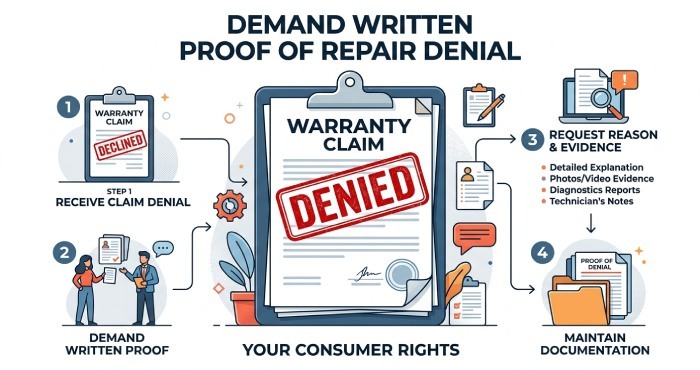
1: Demand a Clear Written Explanation for the Warranty Repair Denial
A Consumer can request a specific written reason for a denied warranty repair, especially when the Dealer claims “normal operation,” “wear and tear,” or “owner abuse.”
What the Written Explanation Should Include
A proper written warranty denial should identify the inspected component, the diagnostic findings, the reason warranty coverage was refused, and whether the Manufacturer authorized the denial. This written record is critical if you later pursue a lemon law claim.
A lemon law attorney may use the denial letter, repair order, and service notes to show that the Automaker failed to satisfy its automaker obligations. Under California lemon law and the Song-Beverly Consumer Warranty Act, documentation often makes the difference between a weak complaint and a strong consumer protection case.
2: Request Repairs Within a Reasonable Number of Attempts Under California Lemon Law
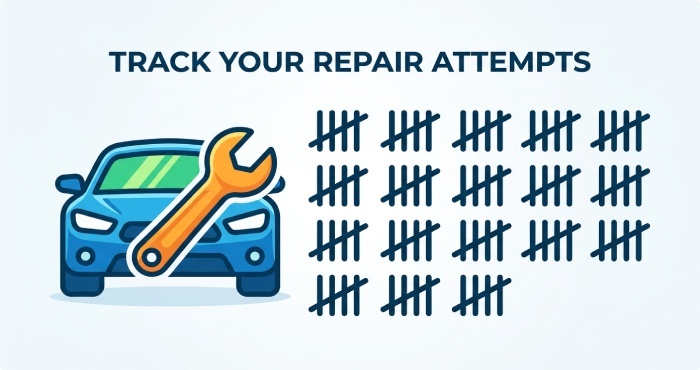
Even after a denial, continue requesting covered repairs, as California lemon law considers repair attempts and whether the Manufacturer had a reasonable chance to fix the defect.
Understanding “Reasonable Number of Repairs”
There is no single fixed number of repair attempts required in every California lemon law case. Factors such as the severity of the defect, the number of repair opportunities, the time the vehicle has been out of service, and the impact on the vehicle’s safety or use may be relevant. A lemon law attorney can review the repair history and warranty records to determine whether you may have a claim for a vehicle repurchase, replacement, or other available compensation.
Safety-Related Defects May Require Faster Action
Safety-related defects can receive particular consideration under California lemon law. If a defect affects the brakes, airbags, acceleration, stalling, or steering, it may substantially impair the vehicle’s use or safety. In certain circumstances, California law provides a rebuttable presumption after qualifying repair attempts involving a problem capable of causing death or serious bodily injury. A lemon law attorney can review the specific defect and repair history to determine whether the vehicle may qualify for protection.
3: Keep Using Your Manufacturer’s Warranty Protections Despite a Denial
A denied repair does not automatically void the manufacturer’s warranty, so continue reporting the issue and requesting repairs while coverage remains active.
Your Warranty May Still Cover Other Defects
The Manufacturer may deny one repair but still remain responsible for other covered problems. For instance, a denied infotainment repair does not eliminate Powertrain Warranty coverage. Likewise, a dealer warranty may provide separate protections, especially for used cars, certified pre-owned vehicles, or Certified Pre-Owned sales.
A California consumer should save every Written Warranty, service contract, Buyers Guide, repair invoice, diagnostic report, and communication with the Dealer. For used cars, the Buyers Guide can be especially important because it may show whether a written warranty existed at the time of sale. This matters for used car lemon law analysis, just as warranty terms matter in a new car lemon law case.
4: Seek a Buyback, Replacement, or Compensation if the Vehicle Qualifies as a Lemon
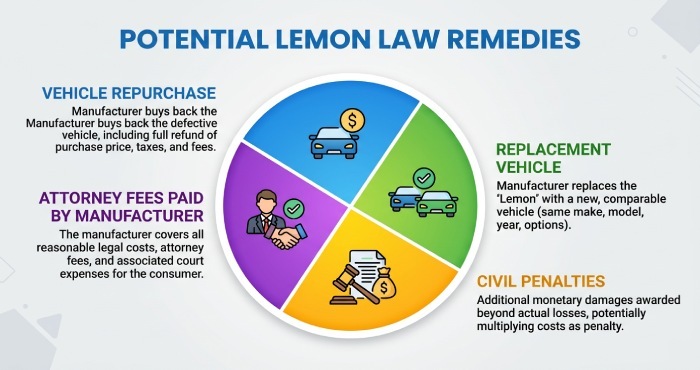
If your vehicle qualifies as a lemon under California law, you may be entitled to a manufacturer repurchase or replacement. Depending on the circumstances and how the claim is resolved, other compensation or damages may also be available.
Buyback, Refund, Replacement Vehicle, and Cash Compensation Options
A lemon law refund or buyback may cover vehicle payments, taxes, registration, and eligible charges, subject to any lawful mileage deduction. Depending on the circumstances, a replacement vehicle or cash settlement for diminished value and unresolved defects may also be available.
Used, Certified Pre-Owned, and Personal Use Vehicle Claims
California lemon law may protect certain used, certified pre-owned, and personal-use vehicles when the applicable legal requirements are met and qualifying warranty coverage applies. A lemon law attorney can review the vehicle’s warranty, purchase terms, and repair history to determine whether you may have a claim under the Song-Beverly Consumer Warranty Act.
5: Recover Attorney’s Fees When Working With a Lemon Law Lawyer in California
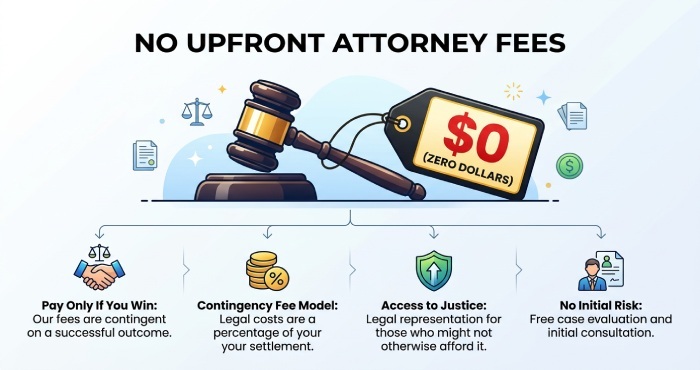
Under the Song-Beverly Consumer Warranty Act, successful consumers may recover attorney fees, making it easier to challenge Manufacturers without upfront hourly legal costs.
Why Many Lemon Law Cases Involve No Out-of-Pocket Cost
Many California lemon law cases may be handled without upfront attorney fees for the consumer. When a consumer prevails on a qualifying claim, California law may allow recovery of reasonable attorney fees and costs from the manufacturer. ACalifornia lemon law lawyer can offer a consultation, review repair records and warranty coverage, and determine whether the claim qualifies under the Song-Beverly Consumer Warranty Act or Magnuson-Moss Warranty Act.
Choosing Legal Representation Carefully
Choose a California lemon law attorney experienced with warranty repairs, Manufacturer defenses, and settlements. For motor homes, anRV lemon law attorney can assess RV-specific defects and warranty disputes while helping preserve key documents and claims.
6: Challenge Bad-Faith Denials Through Documentation, Complaints, and Legal Action
Bad-faith denials occur when a Manufacturer or Dealer unreasonably rejects warranty repairs, misrepresents coverage, blames the Consumer without evidence, or repeatedly claims it cannot duplicate clear defects.
Build a Strong Evidence File
Keep detailed records of every repair visit, including repair orders, photos, videos, dashboard warnings, tow receipts, rental invoices, emails, texts, and service notes. Clearly describe each defect, such as “vehicle stalls at highway speeds” or “transmission jerks during acceleration,” and preserve all communications with the Manufacturer and Dealer, especially any changing explanations or warranty denials that may support your lemon law claim.
Escalate Through Complaints and Legal Action
If the denial continues, consider filing a consumer complaint, contacting the Manufacturer, or pursuing arbitration when appropriate. Before accepting a Cash Settlement or signing a release, consult alemon law attorney san diego for a case evaluation and guidance on potential Song-Beverly, Federal Lemon Law, and Magnuson-Moss claims, including possible refund, replacement vehicle, or other consumer remedies.
A dealership’s statement that it “cannot reproduce” a problem does not automatically defeat a California Lemon Law claim. Many serious vehicle defects are intermittent: they appear unpredictably, worsen over time, or occur only under certain driving conditions. A vehicle may stall in traffic, display warning lights, lose power, shake at highway speeds, or experience electrical failures, yet perform normally during a brief dealership test drive.
Intermittent Defects Often Evade Short Test Drives
A short test drive may not recreate heat, traffic, speed, load, weather, or road conditions that trigger the defect. That is why repeated, detailed complaints can matter as much as a single confirmed diagnosis.
Under California Lemon Law, a dealership’s inability to reproduce a defect during a particular visit does not necessarily mean the consumer has no claim. What matters is the overall repair history, including the manufacturer’s opportunities to repair a warranty-covered defect and whether the defect substantially impairs the vehicle’s use, value, or safety. Depending on the circumstances and applicable law, this may involve new or used vehicles, certified pre-owned vehicles, demonstration vehicles, trucks, SUVs, or recreational vehicles covered by a manufacturer’s warranty.
The Real Issue Is Repair Opportunity
The law focuses on whether the manufacturer had a fair chance to fix the problem. A “cannot reproduce” notation does not erase the consumer’s report or the repair visit.
A lemon law lawyer can explain that “no problem found” repair orders may still support a lemon law claim when they document repeated complaints. The repair shop’s inability to verify the issue may actually become important evidence, especially when the same symptoms are reported multiple times during the manufacturer’s warranty period.
When Repeated Complaints Create a Pattern
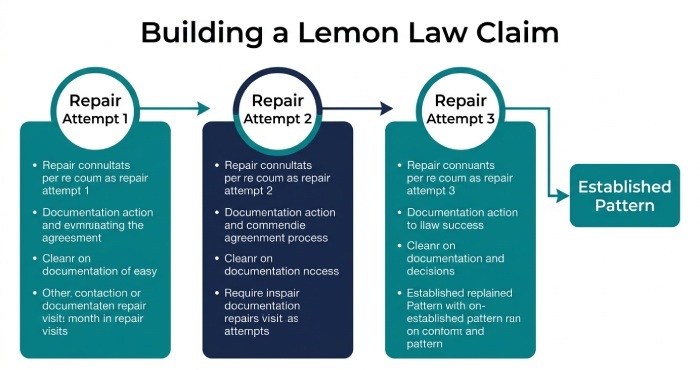
A pattern of similar complaints can show that the defect is ongoing, even when technicians do not duplicate it on demand. Consistency is often the foundation of a strong record.
For consumers researching their options, resources such as a California Lemon Law Guide can be helpful, but legal representation from an experienced california lemon law lawyer is often critical when the manufacturer disputes the defect.
How a Lemon Law Lawyer Evaluates Repair Orders, Symptoms, and Vehicle History
A lemon law attorney begins with a careful case evaluation. The lawyer reviews repair orders, service invoices, dealership notes, diagnostic printouts, warranty history, and communications with the manufacturer. Even if each repair order says “cannot duplicate,” the pattern may show repeated repair attempts for the same concern.
Looking Beyond the Technician’s Final Note
The most important information may appear in the customer complaint section, mileage entry, diagnostic summary, or technician comments. A lemon law lawyer reviews the entire repair order, not just the final phrase.
For example, if a Mercedes, BMW, or Mini Cooper repeatedly experiences transmission hesitation, engine misfires, brake warnings, infotainment failures, or battery drain, the repair history may reveal unresolved vehicle defects. A lemon law lawyer looks for consistency in the consumer’s complaints, dates in the shop, mileage at each visit, and whether reasonable repairs were attempted.
Connecting Symptoms to Substantial Defects
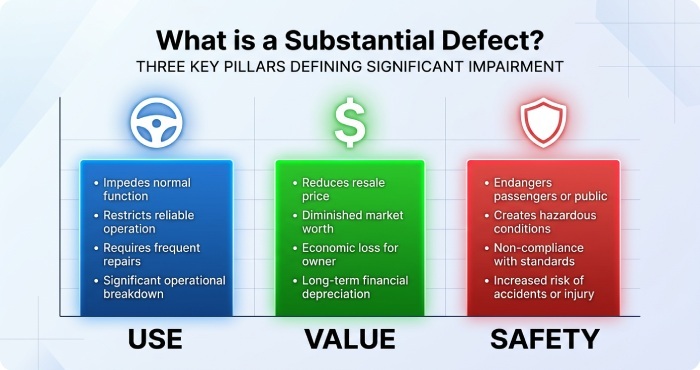
Not every annoyance qualifies. California Lemon Law focuses on substantial defects that impair use, safety, or value. A lemon law attorney may assess whether the defect creates a safety risk, reduces reliability, affects drivability, or makes the new vehicle less valuable than promised.
Safety, Use, and Value Are Central Questions
A defect may be substantial when it affects confidence in braking, steering, acceleration, visibility, electrical reliability, or daily transportation. The more the problem interferes with normal use, the more important the legal analysis becomes.
The analysis may include:
How often the symptoms occur
Whether the vehicle has been out of service for extended periods
Whether the same issue returned after repair attempts
Whether the defect affects a lemon car, lemon RV, truck, or pre-owned vehicle
This type of legal expertise helps determine whether the consumer has a viable lemon law case and whether the filing requirements for a lemon law action can be met.
Reviewing Ownership, Lease, and Warranty Documents
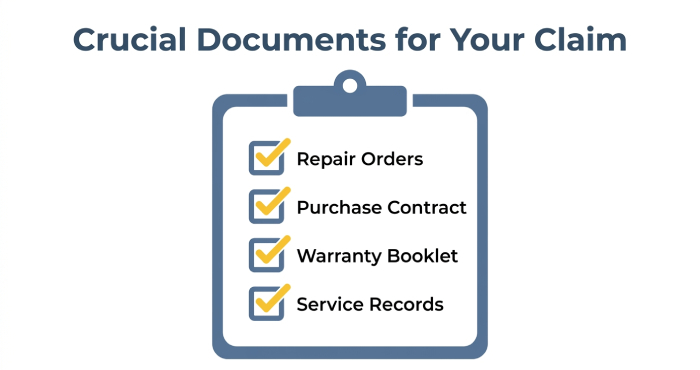
A lemon law lawyer also reviews the purchase contract, lease agreement, warranty booklet, service records, and loan/lease payoff information. These documents are essential when calculating compensation, including a possible purchase refund, replacement vehicle, or other case settlement.
The Manufacturer Remains Responsible for Warranty Compliance
Even when the dealership performs the inspection, the manufacturer generally controls warranty obligations and lemon law remedies. This distinction can be important during negotiation.
For consumers in San Diego or elsewhere in California, speaking with a lemon law attorney san diego can help ensure that communications are strategic and documented.
Avoiding Mistakes That Can Weaken a Lemon Law Claim
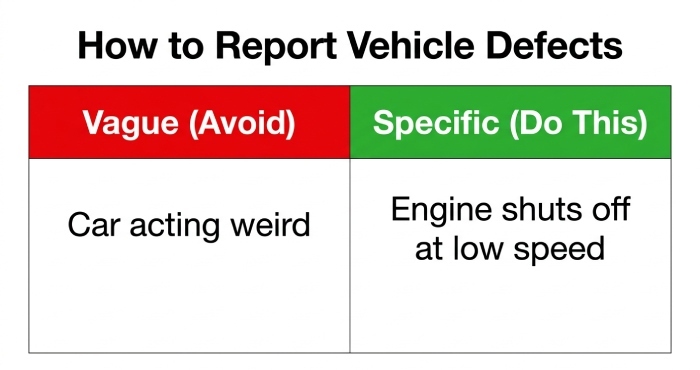
A consumer should avoid vague complaints such as “car acting weird.” Instead, they should describe the specific symptom: “vehicle hesitates when accelerating from a stop,” “engine shuts off at low speed,” or “brake warning appears while driving.” Clear descriptions strengthen the lemon law claim and help the repair shop focus its diagnosis.
Coordinating Repairs Without Overexplaining
Consumers should be accurate and specific, but they do not need to diagnose the vehicle themselves. The goal is to report symptoms clearly and allow the authorized repair facility to investigate.
A legal advocate may also caution against delaying repairs, modifying the vehicle, or continuing to drive when the defect creates a safety risk. If the manufacturer argues misuse, lack of maintenance, or aftermarket modifications, a lemon law attorney can respond with service records and expert analysis.
RV and Motorhome Claims Can Be More Complex
For a lemon purchase involving a motorhome or recreational vehicle, a consumer may also need guidance from an rv lemon law attorney because a lemon RV often involves complex warranty questions, multiple components, and separate manufacturers.
Why Legal Representation Matters When the Manufacturer Disputes the Defect
Manufacturers often argue that no verified defect means no liability. A skilled lemon law attorney challenges that position by showing the full history: repeated complaints, failed repair attempts, warranty coverage, ongoing symptoms, and the effect on use, value, or safety. The issue is not whether one technician reproduced the defect during one visit; the issue is whether the manufacturer provided a reliable vehicle and honored its consumer protection obligations.
How California Lemon Law Treats Foreign-Manufactured Vehicles
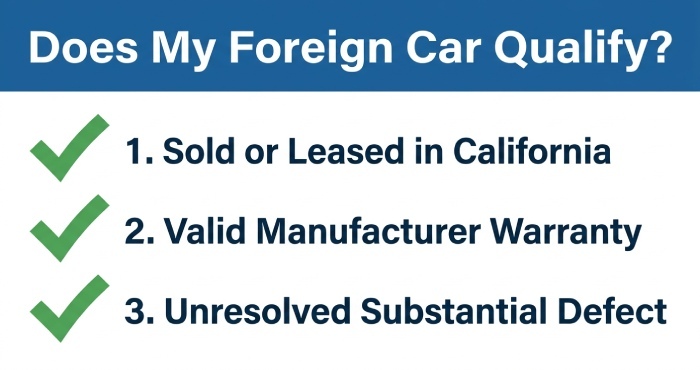
Foreign-manufactured vehicles can still receive California Lemon Law protection because the law generally focuses on warranty coverage and unresolved defects rather than where the vehicle was built. Japanese, Italian, German, and other imported vehicles may qualify when sold or leased in California, covered by a manufacturer’s warranty, and affected by defects that cannot be repaired after reasonable attempts. The Song-Beverly Consumer Warranty Act can also protect eligible new, used, certified pre-owned, and demonstration vehicles when applicable warranty requirements are met.
Imported Does Not Mean Excluded
A common misconception is that coverage for foreign cars is limited or unavailable. In reality, California Lemon Law may apply to imported vehicles as long as the vehicle purchase or lease, warranty coverage, and repair history meet the applicable legal requirements. A Lemon Law Lawyer or Lemon Law Attorney can evaluate whether the manufacturer’s warranty was active when the defect occurred.
1. The Vehicle Was Sold or Leased in California With a Valid Manufacturer’s Warranty
For foreign cars to qualify under California Lemon Law, the vehicle generally must have been sold or leased in the State of California and covered by a valid manufacturer warranty. The Song-Beverly Consumer Warranty Act focuses heavily on warranty coverage because the manufacturer obligation arises from the promise to repair defects during the warranty period.
This means an import car purchased at a California dealership may qualify if the defective car had an active manufacturer warranty when the substantial defect first appeared. The same can apply to used vehicles if they were still covered by the original manufacturer warranty or a qualifying used car warranty.
What “Sold or Leased in California” Means
The place of purchase can be important in determining California Lemon Law eligibility, especially for imported vehicles bought through brokers, out-of-state sellers, or specialty dealers. A Lemon Law Attorney can review the sales contract, warranty documents, repair orders, and registration records to determine whether the vehicle qualifies. Consumers who purchased or had their vehicle repaired in Southern California may also consult a lemon law attorney San Diego for guidance.
New, Used, Certified Pre-Owned, and Demonstration Vehicles
California Lemon Law does not only protect new vehicles. Used vehicles, certified pre-owned vehicles, and demonstration vehicles may also qualify if warranty coverage applies.
2. The Car Has a Substantial Defect That Affects Use, Value, or Safety
A foreign-manufactured car may qualify as a lemon vehicle when it has a substantial defect that impairs its use, value, or safety. Under the Song-Beverly Consumer Warranty Act, minor annoyances usually are not enough. The problem must be significant, recurring, or dangerous.
Defects That May Qualify
A substantial problem does not need to make the vehicle completely unusable. A defect may qualify if it reduces the car’s market value, makes it unreliable, or creates a safety risk. Foreign cars with advanced electronics, hybrid systems, turbocharged engines, or specialized components can present complicated repair histories that require careful review by a Lemon Law Lawyer.
Safety, Value, and Usability Examples
A defective braking system affects safety. A recurring transmission hesitation affects use. A persistent electrical failure may affect both value and safety. When these defects occur during the manufacturer warranty period, and the manufacturer or dealer cannot repair them, California Lemon Law protection may apply.
3. The Manufacturer or Dealer Had a Reasonable Number of Repair Attempts
California Lemon Law generally gives the manufacturer a reasonable opportunity to repair a vehicle’s warranty-covered defect. There is no single number of repair attempts that applies to every case. The circumstances may include the type and seriousness of the defect, the number of repair attempts, the amount of time the vehicle has been out of service, and the manufacturer’s efforts to resolve the problem.
What “Reasonable Number” Means
A reasonable number of repair attempts may include repeated visits for the same defect, failed software updates, replacement parts that do not solve the issue, or inspections where the dealer says it “cannot duplicate” the complaint. A Lemon Law Attorney can examine whether the repair attempts show that the manufacturer had a fair chance to fix the vehicle.
Manufacturer Response Matters
The manufacturer’s efforts to repair the vehicle can affect the strength of a Lemon Law claim. Repeated unsuccessful repairs, extended delays in completing warranty repairs, or returning the vehicle without resolving a qualifying defect may be relevant when evaluating a claim. A Lemon Law Attorney can review the circumstances and determine whether the consumer may be entitled to a repurchase, replacement vehicle, or other remedies available under California law.
4. The Vehicle Was Out of Service for an Extended Period Due to Warranty Repairs
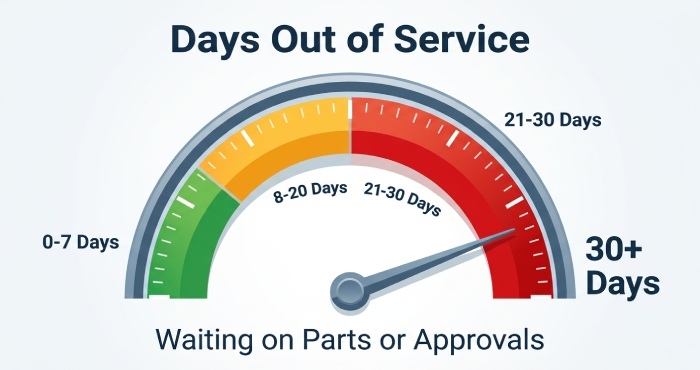
Foreign or imported vehicles may have a stronger Lemon Law claim when they remain out of service for an extended period because of warranty repairs. Long delays caused by unavailable parts, manufacturer approvals, or specialized repairs can substantially interfere with the owner’s use of the vehicle and may be relevant when evaluating a claim, provided the applicable warranty and other legal requirements are met.
Counting Days Out of Service
Days out of service may include the time the vehicle sits at the dealership or auto shop awaiting diagnosis, parts, repair approval, or final testing. A Lemon Law Lawyer can calculate the total downtime and compare it with California Lemon Law standards.
Documentation From the Dealership or Auto Shop
Owners should keep every repair order, invoice, diagnostic note, towing record, rental receipt, and communication with the dealership or manufacturer. These records help prove the lemon law process and claim process. They also help show that the problem occurred during the manufacturer warranty and that the manufacturer obligation was triggered.
5. A California Lemon Law Lawyer Can Help Evaluate Coverage for Foreign Cars
A California Lemon Law Lawyer can help owners of foreign, imported, or used vehicles determine whether their vehicle may qualify for protection under California law. By reviewing warranty documents, repair records, and communications with the manufacturer or dealership, an attorney can evaluate the vehicle’s eligibility and respond to disputes over warranty coverage or unresolved defects. Depending on the circumstances, an eligible consumer may be entitled to a repurchase, replacement vehicle, civil penalties, and recovery of attorney’s fees.
How Legal Counsel Proves Coverage for Foreign Cars
Legal counsel can verify coverage for foreign cars by reviewing the sales contract, warranty documents, repair records, and manufacturer communications. This is especially useful for used, certified pre-owned, and imported vehicles with complex histories.
Consumers seeking guidance can consult aCalifornia lemon law lawyer to understand their legal options and determine whether their vehicle may qualify for protection under California law.
Insurance claims can complicate a California Lemon Law case when a vehicle has been involved in an accident, repaired through insurance, or given a branded title. Under the Song-Beverly Consumer Warranty Act, eligible vehicle owners may have remedies such as a refund or replacement when a manufacturer cannot repair covered defects within a reasonable number of attempts.
However, manufacturers may argue that the defect resulted from collision damage rather than a warranty issue. A knowledgeable lemon law attorney can help distinguish insurance-related damage from manufacturer liability and protect your legal rights.
How Insurance Claims Intersect With California Lemon Law Cases
California Lemon Law may apply if your covered vehicle has recurring defects affecting its use, value, or safety during the warranty period. Insurance records, repair documents, photos, estimates, and title history may also be relevant when evaluating a potential Lemon Law claim and determining what remedies may be available.
Way #1: An Accident Claim Can Raise Questions About Whether the Defect Was Caused by Damage or a Manufacturer Issue
Causation is important when an insurance claim and California Lemon Law case overlap. After a collision, the manufacturer may argue that a vehicle defect resulted from accident damage rather than a warranty-covered manufacturing problem. A lemon law attorney can compare the accident date, repair records, odometer readings, and dealership diagnostics to determine whether the defect existed before the collision and whether the same issue continued afterward.
If you are dealing with an insurance claim and a potential Lemon Law issue, a San Diego Lemon Law attorney can review the circumstances of your case
Way #2: Insurance Repair Records Can Become Key Evidence in Your California Lemon Law Case
Insurance repair records may support or weaken a lemon law claim by showing whether a defect is warranty-related or caused by an accident. For example, records separating a Jeep Grand Cherokee’s transmission defect from minor collision repairs may strengthen the claim, while insurance-funded drivetrain or electrical repairs could give the manufacturer grounds to dispute it.
Way #3: A Total Loss Claim May Limit or Complicate Your Lemon Law Remedies
A total loss can complicate a California Lemon Law claim, and its effect on your potential remedies depends on the circumstances. If the manufacturer failed to repair covered defects before the insurance loss, an attorney can review the repair attempts, days out of service, warranty coverage, and timing of the loss. In Orange, Riverside, San Diego, Los Angeles, and San Bernardino counties, the circumstances surrounding the defect and accident may also be relevant when evaluating the claim and potential remedies.
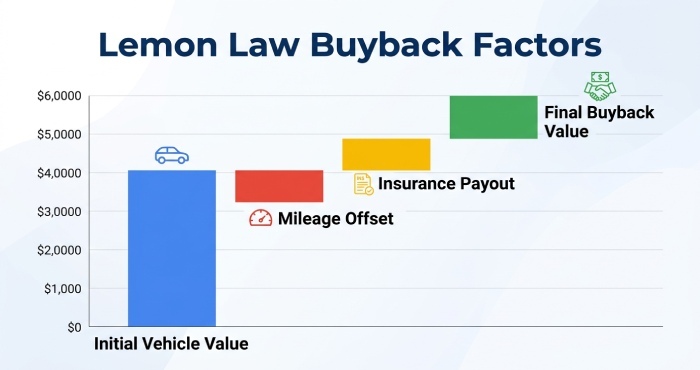
Way #4: Prior Insurance Payouts Can Affect the Vehicle’s Value and Potential Buyback Calculation
An insurance payment may become relevant to the circumstances or evaluation of a California Lemon Law claim, particularly when the payment relates to accident damage or a total loss. Under the Song-Beverly Consumer Warranty Act, a successful California Lemon Law claim may provide remedies that can include a refund of amounts paid for the vehicle, certain taxes and fees, finance charges, and other qualifying costs, subject to applicable deductions such as the statutory mileage offset.
How the Repurchase Formula Treats Mileage and Offsets
The repurchase formula often considers the odometer reading at the first relevant repair attempt. The manufacturer may raise the insurance payment when disputing the circumstances, value, or cause of the claimed defect. Whether that argument has any effect on a Lemon Law remedy depends on the facts of the case. A lemon law lawyer can challenge improper offsets and distinguish between insurance compensation for accident damage and warranty remedies for a defective vehicle.
Records That Help Support Valuation
Helpful records include the purchase contract, DMV registration, California Department of Motor Vehicles (DMV) title documents, repair order history, rental car reimbursement receipts, towing bills, insurance payout letters, and dealership warranty invoices. These documents help determine the correct lemon law buyback value, replacement value, or refund.
Way #5: Poorly Documented Repairs Can Make It Harder to Prove a Recurring Defect
Documentation is crucial in a California Lemon Law case because detailed repair records help establish recurring warranty defects. Records that clearly describe problems such as stalling, power loss, transmission hesitation, brake issues, or warning lights are more useful than vague notes. An attorney can compare dealership, body shop, and insurance repair records to determine whether the same defect continued despite warranty repairs and whether the required repair attempts can be established.
Way #6: Aftermarket or Insurance-Approved Parts May Create Disputes About the Source of the Problem
Insurance repairs sometimes involve aftermarket parts, used components, or non-OEM replacement parts. This can create disputes in a lemon law claim because the manufacturer may argue the defect was caused by non-factory parts rather than a manufacturer’s warranty issue.
A qualified lemon law lawyer can analyze whether the replacement parts actually caused the problem or whether the vehicle was already defective under the Song-Beverly Consumer Warranty Act.
Way #7: A Salvage or Branded Title Can Impact Eligibility and Case Strategy
A salvage, branded, lemon law buyback, or prior total-loss title can create additional issues in a California Lemon Law claim. The effect of the vehicle’s title history depends on factors such as when the title status arose, the vehicle’s warranty coverage, the timing and nature of the defect, and the circumstances of any prior repairs. A Lemon Law attorney can review DMV records, title history, warranty documents, and repair records to determine how these factors may affect your potential claim.
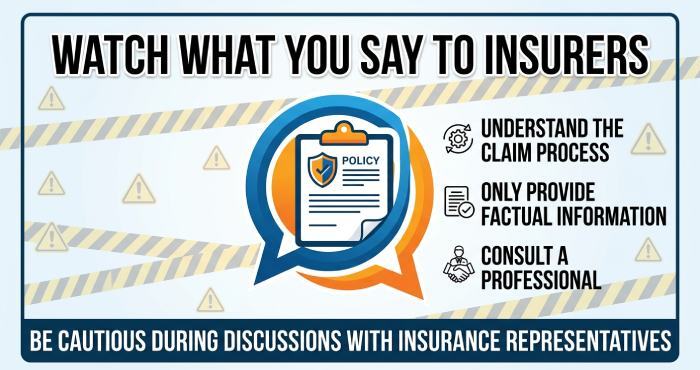
Way #8: Statements Made to Your Insurer Could Be Used to Challenge Your Lemon Law Claim
Statements made during the insurance claims process can be used by the manufacturer in litigation or settlement negotiations. If you told your insurer that all problems began after the accident, the auto manufacturer may use that statement to challenge your lemon law claim.
That does not mean your case is lost. Sometimes vehicle owners describe symptoms broadly without knowing the technical cause. A lemon law lawyer can compare your insurer statement with prior dealership repair attempts, warranty complaints, service manager notes, and shop foreman findings to clarify the timeline.
If you need guidance from a california lemon law lawyer, ask for a free consultation before giving broad statements that could affect your refund, replacement, or vehicle repurchase rights.
Way #9: A Lemon Law Lawyer in California Can Help Separate Insurance Issues from Manufacturer Liability
A lemon law attorney can help when insurance claims and California Lemon Law issues overlap by distinguishing accident-related damage from manufacturer warranty liability under the Song-Beverly Consumer Warranty Act. The attorney may review warranty, insurance, dealership, repair, purchase, DMV, rental, and expense records to assess your claim and potential recovery of attorney fees. Depending on the circumstances, available remedies may include a refund, replacement, repurchase, or lemon law buyback.
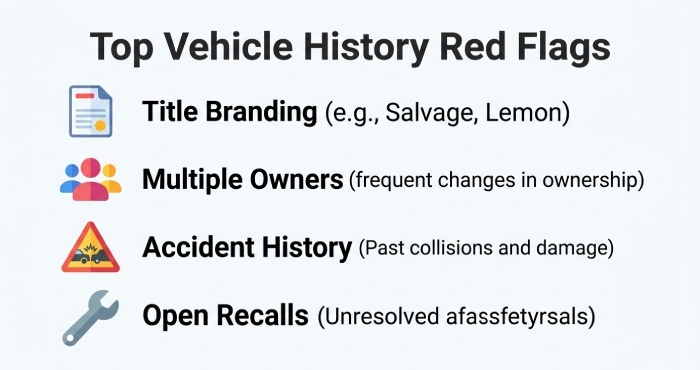
A vehicle history report can significantly affect the resale value of a car labeled as a lemon in California. For future buyers, reports from sources commonly found through Google searches or dealer platforms often reveal title branding, repeated repairs, accident records, warranty activity, and ownership patterns. Under the California lemon law, especially the Song-Beverly Consumer Warranty Act, these records can influence whether a buyer sees the vehicle as a reasonable purchase or as one of many faulty vehicles with long-term reliability risks.
Lemon Buyback Branding Can Reduce Buyer Confidence
Why the Buyback Label Matters
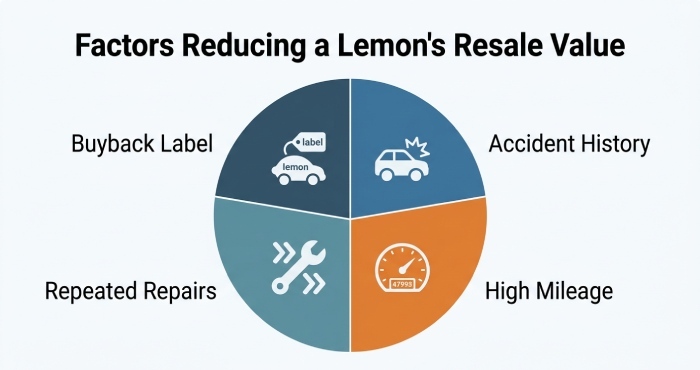
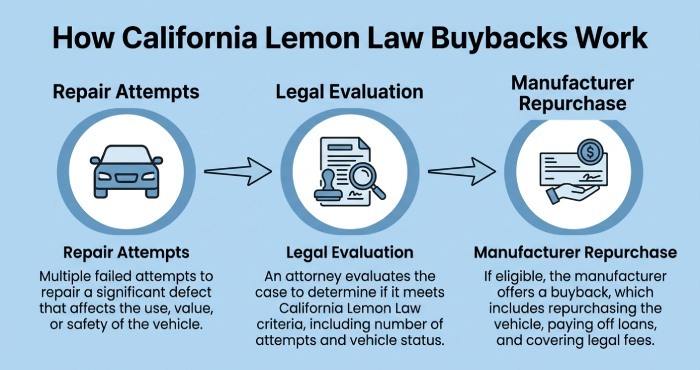
A lemon law buyback occurs when a manufacturer repurchases a defective vehicle after a successful claim. Under California’s Song-Beverly Consumer Warranty Act, eligible consumers may receive a refund, replacement vehicle, or other compensation when substantial warranty defects remain unresolved after reasonable repair attempts. After repurchase, the vehicle may carry a buyback label on its title or history report, which can lower resale appeal because potential buyers may worry that the original defect could return even after repairs.
Buyer Trust and Brand Perception
A buyback vehicle may suffer from weakened brand perception, especially if the brand or model is already associated with recurring mechanical or electrical problems. The buyback label can make the car appear riskier than comparable pre-owned vehicles, resulting in lower resale value and tougher negotiations.
Repair History Shows Whether the Defect Was Persistent or Resolved
Repeated Repairs Can Signal Ongoing Risk
A vehicle history report can show repeated repairs for the same problem, which may support a California lemon law claim when a major warranty defect remains unresolved after reasonable repair attempts under the Song-Beverly Consumer Warranty Act. A lengthy repair history may also reduce resale value because buyers could view repeated repairs as evidence of a persistent defect, even when the issue has been fixed.
Resolved Problems Still Require Documentation
A clean explanation matters. If the vehicle history shows that the defect was repaired and no longer appears in service records, the seller may have a stronger argument for a better price. However, transparency is critical. A seller who discloses the repair trail, warranty invoices, and service notes may reduce buyer concern.
Accident, Damage, and Title Records Can Compound Resale Losses
When Lemon History Meets Damage History
A lemon law buyback record can significantly affect resale value, especially when combined with accident, structural, flood, salvage, or odometer issues. These additional history concerns may make buyers more cautious about safety, reliability, and performance, leading to greater vehicle devaluation. When a defective vehicle also has title or damage concerns, its resale value may decline even further.
Title Records Affect Negotiation Leverage
A buyer may use title events and damage records to negotiate aggressively. The seller may argue that the defect was resolved through the legal buyback procedure, but the buyer may still demand a discount due to the lemon law repurchase and any accident history. In these cases, a lemon law attorney may help a consumer pursue fair compensation if the manufacturer’s actions caused measurable diminished value.
Mileage and Ownership Patterns Can Affect Perceived Reliability
High Mileage Can Magnify Lemon Concerns
Mileage can strongly influence the resale value of a lemon law buyback. Higher mileage may make buyers more concerned about wear and whether the original defect was fully resolved, while lower-mileage vehicles may attract more interest. However, even low-mileage vehicles can lose value when they carry a lemon law buyback history and have undergone repeated warranty repairs.
Multiple Owners Can Create Doubt
A vehicle history report showing several owners in a short time may suggest unresolved dissatisfaction. Buyers may ask whether each consumer discovered the same problem and quickly sold the car. This can create more negative perceptions and reduce the seller’s negotiating power.
Open Recalls and Manufacturer Notes May Raise Red Flags
Recalls Can Reinforce Defect Concerns
Open recalls can further reduce buyer confidence in a lemon law buyback, particularly when they involve the same system as the original defect, such as the brakes, transmission, battery, steering, or engine. A manufacturer disclosure showing that the vehicle was repurchased under the Song-Beverly Consumer Warranty Act may also confirm its history and give buyers stronger grounds to negotiate a lower price.
Manufacturer Notes and Documentation
Manufacturer disclosures can help buyers understand whether repairs were completed before resale. However, if the report lacks clear service updates, the uncertainty can damage resale value. This is where legal assistance may help. A lemon law lawyer can review the manufacturer’s records, repair invoices, and title branding to determine whether the consumer received appropriate compensation.
Owners of motor homes and RVs can face similar warranty and defect issues. When recurring problems affect an RV’s use, value, or safety, consulting a California RV lemon law attorney can help owners understand their legal options under California warranty law.
A Lemon Law Lawyer in California Can Help Document Lost Resale Value
Legal Documentation Can Strengthen a Claim
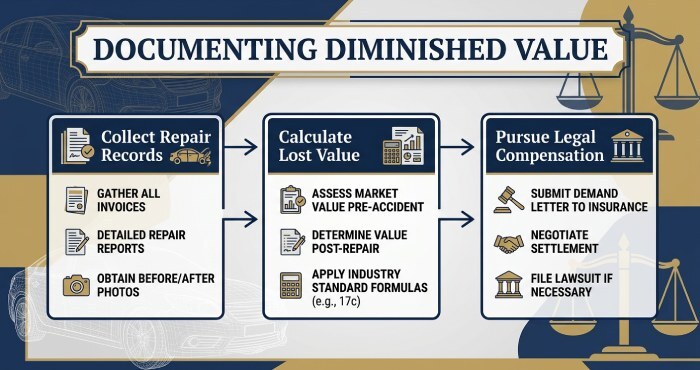
A lemon law lawyer in California can help document diminished resale value by collecting repair orders, warranty records, title history, valuation reports, and market comparisons. This evidence can help compare the vehicle’s expected value without lemon branding to its actual value after a buyback label appears. It may also support claims for eligible expenses, such as towing and rental costs, especially when the manufacturer disputes the defect, repair history, or compensation owed.
Working With a California Lemon Law Attorney
A California attorney experienced in San Diego Lemon Law matters can help consumers understand the legal process and determine whether their vehicle may qualify for protection under California law. McMillan Law Group helps California consumers navigate Lemon Law claims, vehicle warranty disputes, and related legal matters involving defective vehicles. Speaking with an experienced attorney can help consumers understand their rights, evaluate their options, and determine the appropriate next steps.
A lemon law attorney san diego may offer a free consultation to review the manufacturer’s warranty, repair history, and potential car value loss.
Why Legal Help Matters Before Resale
Before selling or trading a lemon-branded vehicle, legal review can help protect your investment. A lemon law attorney can determine whether the manufacturer complied with the legal buyback procedure, whether the lemon law repurchase was properly documented, and whether the consumer is entitled to additional recovery. For buyers and sellers across the United States, accurate documentation remains one of the most effective ways to manage resale risk, reduce disputes, and understand the true market impact of a California lemon law history.
California Lemon Law Buybacks and Core Tax Concepts
How California Lemon Law Vehicle Buybacks Work
Under the California lemon law, a consumer may be entitled to a vehicle repurchase, replacement, or negotiated lemon law settlement when a manufacturer cannot repair substantial defects within a reasonable number of attempts. The lemon law legal process typically begins with documenting repair orders, warranty history, mileage, purchase or lease terms, and communication with the dealer or manufacturer. A lemon law lawyer evaluates whether the defect affects use, value, or safety and whether the manufacturer has met its legal obligations.
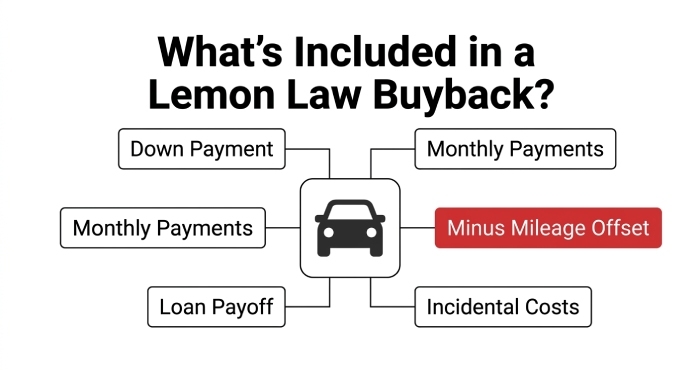
In a vehicle buyback, the manufacturer generally repurchases the defective vehicle by refunding amounts paid by the consumer, often reduced by a mileage offset for use before the first relevant repair attempt. A California lemon law buyback may include the down payment, monthly payments, payoff of the loan or lease balance, registration charges, certain fees, and qualifying incidental damages. Because each lemon law settlement is fact-specific, the tax implications can vary.
Consumers often ask whether lemon law settlement proceeds are taxable. In many vehicle buyback situations, the settlement proceeds are treated as a refund of the purchase price rather than taxable income. However, not every payment in a lemon law settlement is automatically non-taxable. The tax implications depend on what the payment represents, how the agreement is structured, and whether any portion compensates the consumer beyond reimbursement.
What a Buyback Usually Includes
A California lemon law repurchase typically covers the vehicle’s purchase or lease payments, minus the statutory mileage offset, and may also include loan payoff, trade-in credit, and qualifying expenses such as towing, rental cars, rideshare, or repair costs. Because a vehicle buyback may represent a return of amounts the consumer previously paid, some portions of the recovery may not be treated as taxable income. However, the tax treatment depends on the nature of the payment, the underlying claim, and how the settlement is structured.
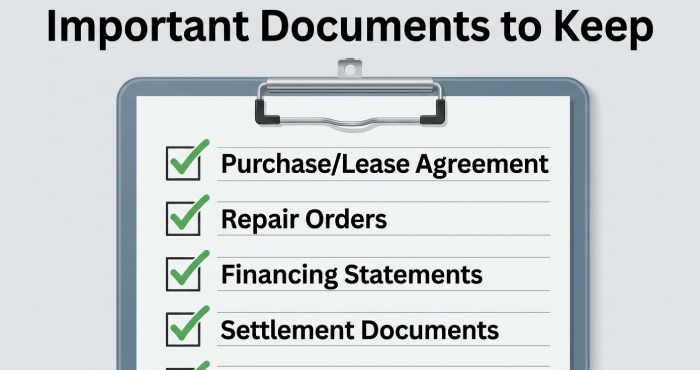
Documents to Keep for Lemon Law and Tax Purposes
Consumers should keep copies of their vehicle purchase or lease agreement, repair orders, warranty records, financing statements, payoff information, settlement documents, receipts for reimbursed expenses, and any tax forms received in connection with the settlement. These records can help document the amounts paid, reimbursed expenses, and how the settlement was structured. A tax professional can use this information to evaluate the appropriate tax treatment and reporting requirements.
Settlement Taxability and Professional Guidance
Tax Treatment of Refunds, Settlements, and Cash-and-Keep Offers
The tax treatment of a California lemon law settlement depends on how the payment is characterized. A full buyback may generally be treated as a return of the consumer’s purchase price rather than taxable income, while cash-and-keep payments require closer review because compensation for diminished value, inconvenience, or other losses may have different tax consequences. A lemon law lawyer can help clarify settlement language and payment allocation, but a qualified tax professional should determine whether any portion is taxable and how it should be reported. Clear documentation identifying payments as refunds, reimbursements, statutory recoveries, or other compensation can help reduce future tax uncertainty.
Sales Tax, Registration Fees, and Incidental Cost Reimbursements
California lemon law buybacks may include reimbursement for sales tax, registration fees, and qualifying incidental expenses such as rental cars, towing, repairs, and travel costs. These amounts are generally intended to restore money the consumer previously paid rather than provide new income, although tax treatment can vary depending on the settlement structure and prior deductions. Consumers should keep receipts, repair invoices, registration records, loan statements, payoff letters, and manufacturer communications to document reimbursed expenses and help a tax professional determine the appropriate tax treatment.
When Lemon Law Compensation May Be Taxable Income
The tax treatment of California Lemon Law compensation may vary depending on what the payment is intended to compensate and the nature of the underlying claim. Amounts that represent a return of the vehicle’s purchase price or reimbursement of certain expenses may receive different tax treatment from amounts awarded for other purposes, such as interest, lost income, or additional compensation.
The IRS generally looks to the origin and nature of a claim when determining the federal tax treatment of settlement proceeds. If a settlement includes multiple payment categories, clear documentation and allocation may be important. Receiving a Form 1099 does not necessarily mean that the entire settlement is taxable. Consumers should consult a qualified tax professional regarding their individual reporting and documentation requirements.
Why a California Lemon Law Lawyer and Tax Professional Matter
A California lemon law lawyer helps protect the consumer’s legal rights, evaluates liability, manages litigation strategy when needed, and negotiates the structure of the lemon law settlement. For consumers comparing representation, a california lemon law lawyer can explain how buybacks, replacements, mileage offsets, and cash-and-keep resolutions typically work. Consumers with recreational vehicle claims may also benefit from speaking with an rv lemon law attorney, while local consumers may prefer a lemon law attorney san diego for regional guidance.
The tax professional is equally important because legal advice from an attorney is not the same as individualized tax advice. The California lemon law lawyer focuses on the legal process, manufacturer compliance, settlement language, and legal responsibilities. The tax professional focuses on taxable income, tax implications, tax compliance, and whether the lemon law settlement proceeds should be reported. Together, they help reduce the risk of an unfavorable tax result.